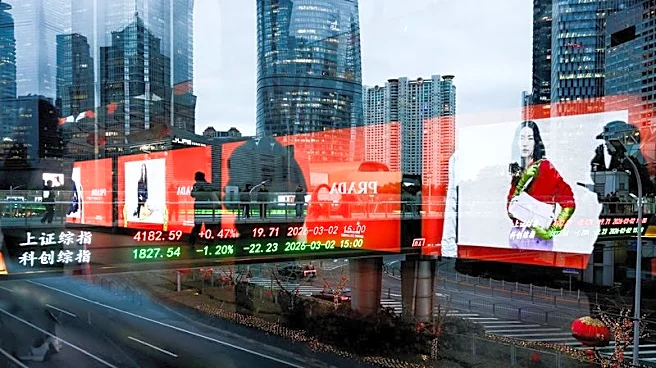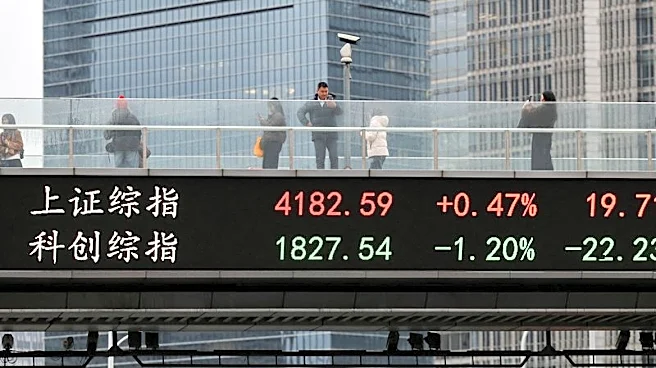




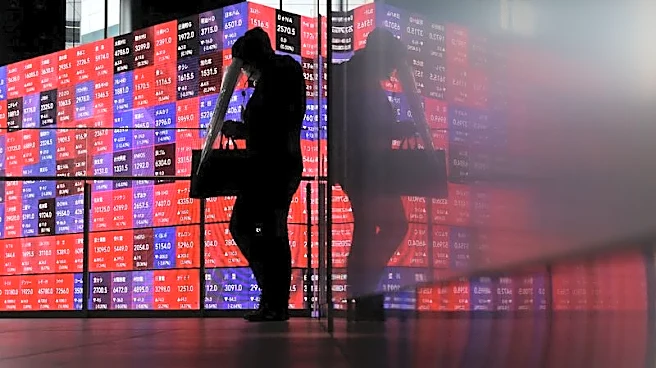
BEIJING, Nov 27 (Reuters) - Chinese Premier Li Qiang chaired a cabinet meeting on Friday that called for a greater role by state-backed "national team" investors to steady the stock market, the official Xinhua news agency reported — the clearest signal yet that Beijing will step in to stem a slide in a market struggling near 16-month lows.
According to a statement from the State Council executive meeting, sovereign wealth fund Central Huijin Investment will optimize its function as China's quasi-"stabilization
fund" to provide sufficient liquidity at times of turmoil.
It said the meeting also stressed that "the capital market is vital to overall economic development" vowing to guide long-term funds into the market, and respond to imported risks.
China's share benchmark jumped 4% on Friday in its best day in two years as the news rekindled animal spirits.
Previous measures including encouraging lending for share purchases had failed to revive confidence in a market reeling amid a global rout in AI stocks, rising geopolitical tensions and a stuttering domestic economy.
The "national team" is markets' nickname for China's state-backed investors — usually led by Central Huijin, the domestic unit of the sovereign wealth fund China Investment Corp — which are often buyers at times of market stress.
"This is the first time 'national team' was mentioned in a State Council executive meeting press release," Xinhua said in a separate commentary, adding that Central Huijin "has plenty of firepower at its disposal".
The meeting also underscored the key role of capital markets linking corporate financing on one hand and household wealth on the other, so "stabilizing the stock market also helps stabilize expectations and is therefore crucial for China’s economy," the Xinhua commentary said.
Building a stronger "breakwater" against market shocks also requires looking beyond China's borders, as its stock market is also vulnerable to external disturbances including US yield volatility, cross-border capital flows and monetary policy shifts in major economies, Xinhua said.
(Reporting by the Beijing newsroom; writing by Farah Master; Editing by Thomas Derpinghaus and Kevin Liffey)