

By Andrew MacAskill and Sarah Young
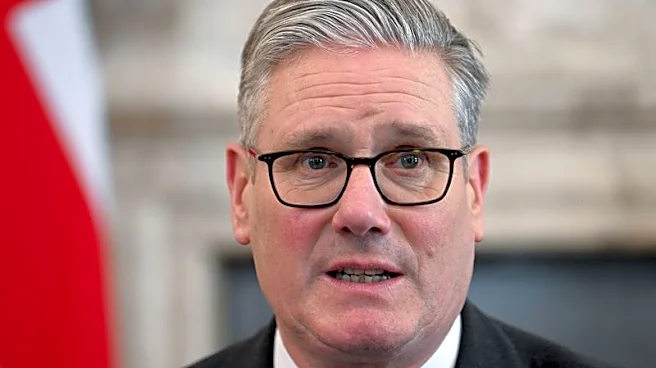
LONDON, April 1 (Reuters) - Prime Minister Keir Starmer said on Wednesday that the global instability caused by the Iran warmeans Britain should align more closely with European allies on security and economy, following repeated criticism from U.S. President Donald Trump.
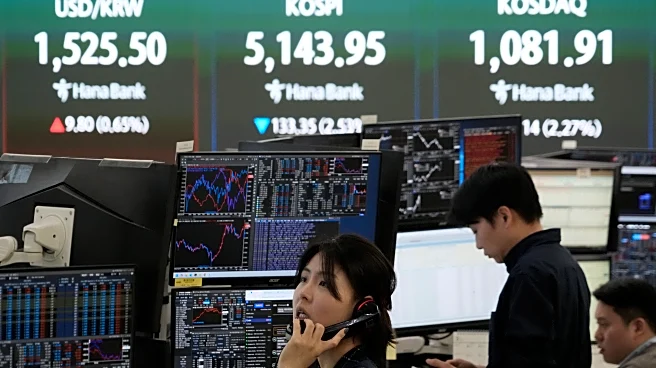
At a press conference aimed at easing public concern over rising costs, Starmer said the impact of the war would "define us for a generation" and could be similar to the increase in energy prices
in the 1970s.
Starmer outlined plans for another summit with the European Union in the coming weeks that he said he hoped would undo some of the "deep damage" done by Brexit.
CLOSER EU PARTNERSHIP
"It is increasingly clear that as the world continues down this volatile path, our long-term national interest requires closer partnership with our allies in Europe," Starmer told reporters in Downing Street.
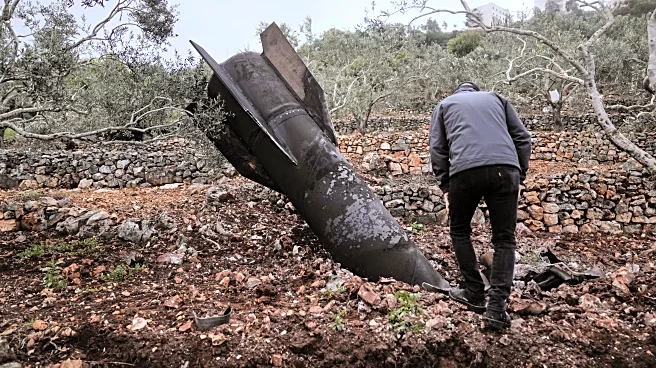
Trump on Tuesday again criticised European countries that refused to join the war against Iran, calling out Britain and France, as transatlantic relations deteriorate from the conflict that has driven up energy prices.
The president warned Britain and other countries to "start learning how to fight for yourself" because the U.S. "won't be there to help you anymore".
After Trump was elected in 2024, Starmer tried to position himself as a conduit between Europe and the United States. But their relationship has publicly deteriorated over Starmer's refusal to join the U.S.-Israeli war on Iran.
Starmer initially denied a request from the U.S. to attack Iran from two British bases, but later agreed to allow what he calls defensive missions aimed at protecting residents of the region, including British citizens.
Asked about Trump's criticism, Starmer said "the U.S. and UK are close allies and have been for a very, very long time" and he would act in the British national interest "whatever the pressure on me."
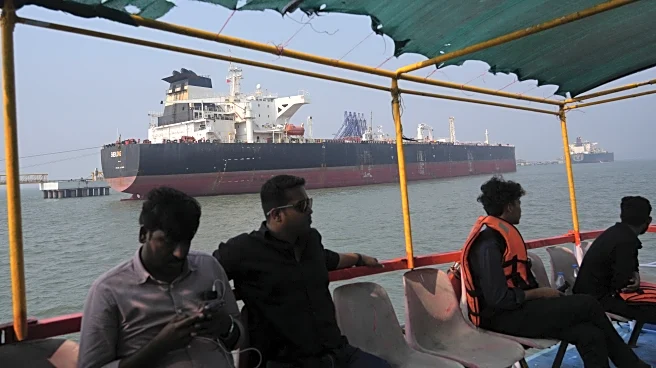
Starmer did not announce any new policies to help households with soaring energy and fuel costs, but he did say that Britain would this week host meetings with allies aimed at opening the Strait of Hormuz, and 35 countries were now involved in efforts.
Foreign Minister Yvette Cooper will host a meeting of the group later this week to assess diplomatic and political measures to reopen the Strait, the prime minister said, but he acknowledged it would not be easy nor immediate following de-escalation in the conflict.
(Reporting by Sarah Young, Andrew MacAskill, Sam Tabahriti, editing by Catarina Demony, Michael Holden, Alexandra Hudson)