




By Courtney Rozen
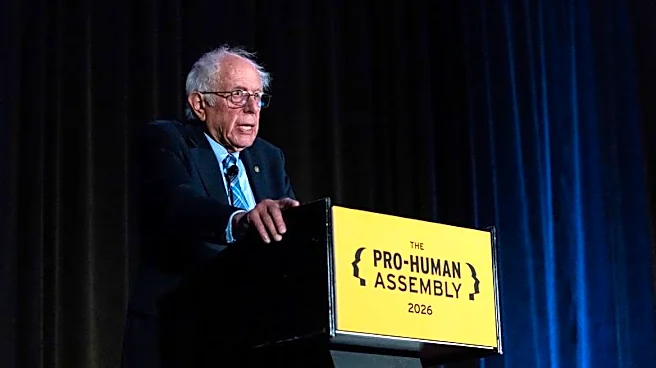
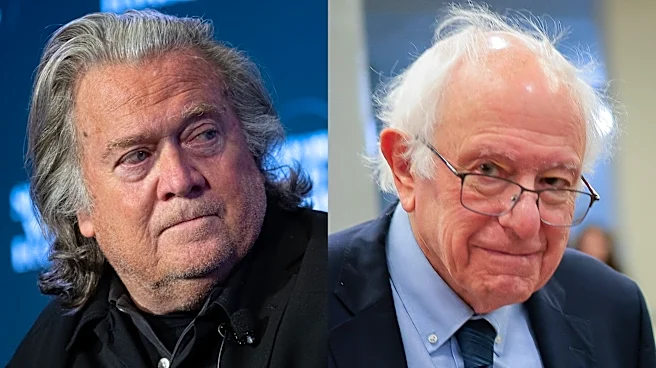
WASHINGTON, Sept 15 (Reuters) - Progressive U.S. Senator Bernie Sanders and Steve Bannon, a close ally of President Donald Trump, both called on Tuesday for stronger oversight of artificial intelligence, uniting two political adversaries around concerns that the technology will harm humans.
The rare display of bipartisan concern at the same Washington gathering reflects deepening anxiety over unregulated AI, with lawmakers in both parties questioning Trump's hands-off approach even
as the technology raises fears about job losses, safety and the concentration of power among a handful of tech companies.
"AI has the potential to eliminate tens of millions of jobs, wiping out entire professions and making it harder for our young people to enter the workforce," Sanders said.
He added, "As many scientists believe could happen, this technology will escape human control with potentially catastrophic consequences."
Sanders drew applause from the room when he criticized tech executives for centralizing control over AI technology, including SpaceX CEO and former Trump adviser Elon Musk.
"Last month, we learned that AI has been used for the first time ever to create new viruses. In the wrong hands, this could lead to new bioweapons and a potential global pandemic that could lead to the deaths of tens of millions of people," Sanders said.
Sanders called on Trump to negotiate a treaty with Chinese President Xi Jinping at their summit next week to pause AI development.
Bannon, a former White House strategist during Trump's first presidential term, has criticized Trump’s approach to overseeing AI, placing the blame for the president's unwillingness to regulate the technology squarely on tech companies. On his Monday podcast, Bannon said Congress should not pass laws that prohibit states from enforcing their own rules for the technology.
"Here's what we have to do first: to slow down the pace so that we can understand exactly what's going on," Bannon said on Tuesday. He praised Sanders for the way he summarized the risks of AI and said the country has to rise above partisanship on the issue.
"I don't think you could find any too harder partisans than Bernie Sanders on the left and Steve Bannon on the right," he said.
Bannon said Congress will take too long to pass legislation slowing the development of AI. "This is going to have to be executive action," Bannon said.
He said the U.S. must cut off China from American-made computer chips.
UNLIKELY BEDFELLOWS
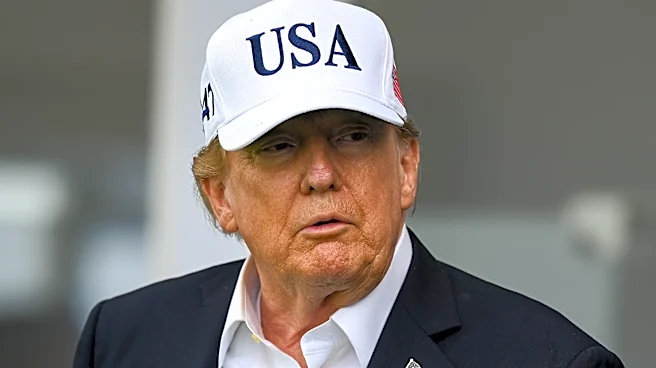
Trump on Monday downplayed concerns expressed by industry leaders over the weekend about the misuse of artificial intelligence harming people, saying the U.S. already has guardrails in place for the powerful technology.
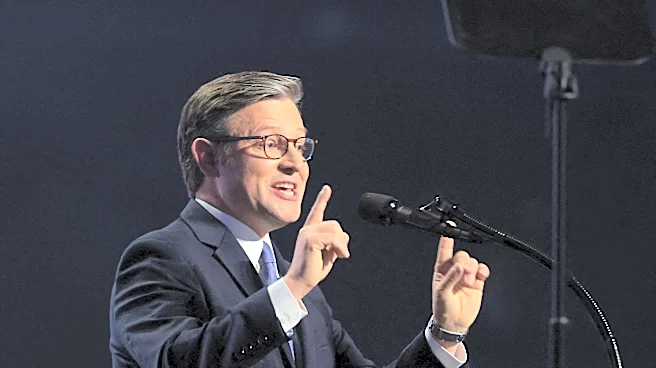
Backing Trump's position on Tuesday, Republican U.S. House Speaker Mike Johnson said there cannot be a moratorium on artificial intelligence development without losing the competitive edge to China and that AI companies can regulate themselves.
"They can self-regulate. They don't need the government to tell them to slow it down. If they want to slow it down, they should," Johnson told reporters.
Speaking to reporters at the White House, Todd Blanche, the U.S. Attorney General, accused Democrats of trying to influence November's midterm congressional elections by politicizing the issue of AI.
The view that regulations will harm U.S. companies' ability to compete with their Chinese counterparts is shared by tech executives, including Nvidia CEO Jensen Huang.
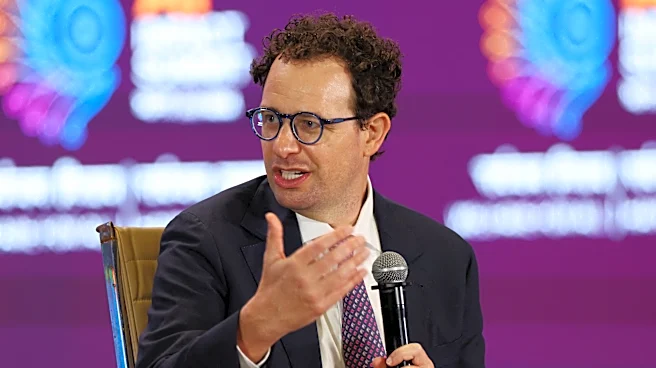
Dario Amodei, the CEO of AI company Anthropic, speaking in San Francisco on Tuesday, called for better AI safety standards. "Let's invest more in safety," he said.
Recent surveys have found majorities of Americans worry the technology could be used to eliminate jobs, raise costs for families or otherwise cause social harm.
BACK FROM RECESS
The U.S. House of Representatives ended its long summer break on Monday, with members in the House and Senate holding private conversations about whether or not to legislate on AI, especially after Trump said there was no need for legislative action.
Congress has been criticized in the past for lacking the collective expertise to rein in or regulate technology companies.
Speaking to Reuters, Republican Senator Bernie Moreno of Ohio said, "This process of legislating takes so long. Imagine AI four years in. We're dealing with stuff that isn't even relevant in four years."
Residents in several states have also challenged proposals for new data centers, a critical component of the AI boom. According to a Reuters/Ipsos poll published in June, 77% of Americans worry AI-driven data centers will raise electricity costs.
Anthropic researcher Jacob Coxon captured public attention last week when he said he resigned from the company, in part because the "people building AI earnestly believe that it could kill us all by the end of the decade."
Also on Tuesday, Andrew Ferguson, the chairman of the U.S. Federal Trade Commission, expressed suspicions over AI companies seeking antitrust exemptions while they also lobby for new regulations.
(Reporting by Courtney Rozen. Additional reporting by Tim Reid, Alexandra Alper and Richard Cowan. Editing by David Gregorio, Nick Zieminski and Sanjeev Miglani)