



By William Schomberg
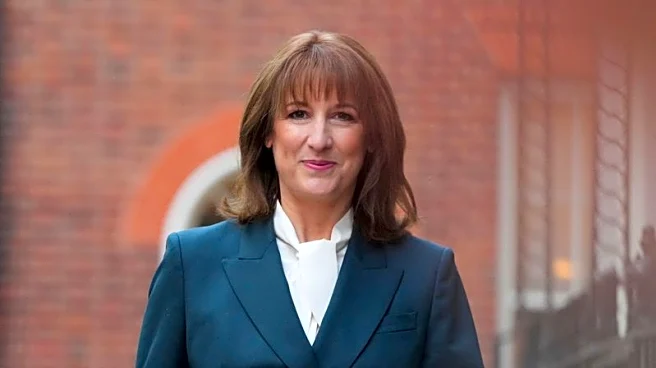
LONDON, March 3 (Reuters) - British finance minister Rachel Reeves is likely to stick closely to her promises to fix the public finances in a budget update speech on Tuesday that will be overshadowed by alarm among investors over the conflict in the Middle East.
Reeves will announce fresh economic and borrowing forecasts by Britain's fiscal watchdog and she is expected to steer clear of any spending surprises that could upset bond investors already worried about new inflation risks.
Prime Minister Keir Starmer suffered defeat in an election for a parliamentary seat last week, the latest setback for his government that has led to calls for extra public spending.
But Reeves says she will make major fiscal policy changes only in her full budget statements in the autumn and she has promised stability to employers in the hope of speeding up economic growth.
Monday's surge in global energy prices and bond yields due to the strikes launched by the United States and Israel on Iran, and Iran's retaliation, is likely to add to her caution.
"This government has the right economic plan for our country in a world in that has become yet more uncertain," Reeves was due to say, according to advance excerpts of her speech released by the finance ministry.
She also stressed the need for stability in the public finances as well as investment in infrastructure.
RISK OF HIGHER DEBT COSTS
"If anything, she will probably be trying to keep the Spring Forecast as dialled back as possible given how sensitive the market could be after the last 48 hours," Ken Egan, director of European sovereign credit at Kroll Bond Rating Agency, said.
A low-key speech would represent a contrast to Reeves' three previous fiscal events in which she took the tax burden to its highest since shortly after World War Two.
At the time of her last full budget speech in November, Reeves' headroom for meeting her main fiscal target was judged to stand at almost 22 billion pounds ($30 billion) - higher than chancellors have achieved in recent years but still a relatively narrow 0.6% of annual economic output.
Analysts think she might now have a bit more room for manoeuvre and see a likely cut in the amount of debt sold by the government in the coming financial year.
But much of the improvement is due to a fall in borrowing costs since November which could quickly be wiped out if war in the Middle East drives up fuel prices over a long period.
Around a quarter of British government bonds are linked to inflation, more than in other similar economies, leaving Reeves exposed to the risk of higher debt costs.
British two-year gilt yields leapt by the most in one day since May 2025 on Monday.
CREDIBILITY AT STAKE
Furthermore, the Office for Budget Responsibility is likely to cut its forecast for economic growth this year and might warn of the hit to the public finances if a recent fall in net migration to Britain continues in the coming years.
Another risk is that the OBR raises its forecasts for unemployment after the government increased costs for employers.
Henry Cook, senior economist at MUFG Bank, said pressure could grow on Reeves to spend more to help voters, for example by scrapping a plan to end a pandemic-era cut to fuel duty. But for now she was likely to play it safe with investors.
"Rachel Reeves has won a fair amount of credibility from market participants and she'll be reluctant to lose some of that," Cook said.
(Writing by William Schomberg; Editing by Alison Williams)