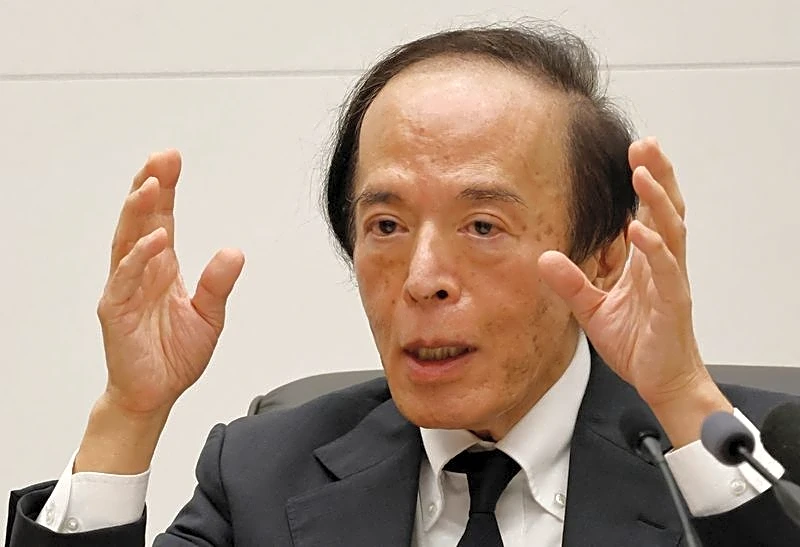








SYDNEY, Oct 21 (Reuters) - A top Australian central banker on Wednesday said tighter monetary policy was working to slow the economy but the inflation outlook had still worsened, leaving him unsure whether interest rates would need to rise further next month.
Speaking at a Citi investment conference, Reserve Bank of Australia Deputy Governor Andrew Hauser said the bank's economists were still finalising their quarterly forecasts but the inflation outlook did look "materially worse", in part due to
even higher oil prices.
Brent last traded at $108 a barrel, up from $102 a barrel when the central bank last met three weeks ago and lifted interest rates for a fourth time this year. It was a third higher than what the RBA had forecast in August.
"The monetary policy is working, labour market is easing, consumption growth is quite tepid, but there are still pockets of growth and the inflation outlook has deteriorated, so that's a pretty tricky balance," said Hauser.
"The challenge that's facing the board is do you do more to tackle high inflation? ... Or do we hold our horses to protect the labour market?" he added. "We're in a world of hard choices, and I think that's the reality here."
Hauser said monetary policy could not deal with an oil shock directly, but it did need to make sure that higher costs did not feed through to rising inflation expectations.
The central bank meets on November 2-3 to decide whether to raise its 4.60% cash rate for a fifth time this year. Markets now imply around a 40% chance rates will rise to 4.85% next month, up from 30% at the start of the week, and another rate rise is fully priced by May next year.
Consumer price data due next week could show headline inflation climbing to 4.0% in the third quarter as the Gulf war stokes fuel costs. Crucially, core inflation is seen holding around 3.5% and uncomfortably far above the RBA's long-term target band of 2% to 3%.
Hauser said it was "pretty clear" that the inflation outcome would likely be higher than the RBA had forecast.
"Yes, we will study it carefully when we get the final number," he added. "And at the moment, certainly those numbers are causing us to ask whether there's less capacity in the economy than we previously thought."
Minutes of the RBA's last meeting showed the board was still concerned inflation risks lay to the upside, even after lifting rates for a fourth time this year.
Since then, labour data have shown unemployment unexpectedly hit a five-year peak of 4.7% in September, while house prices have fallen faster than policymakers foresaw.
Hauser noted the labour market had eased more than expected, and there had been some softening in household demand and the housing market, but still the unemployment rate was among the lowest in G20 countries.
(Reporting by Wayne Cole and Stella Qiu; Editing by Sonali Paul)