



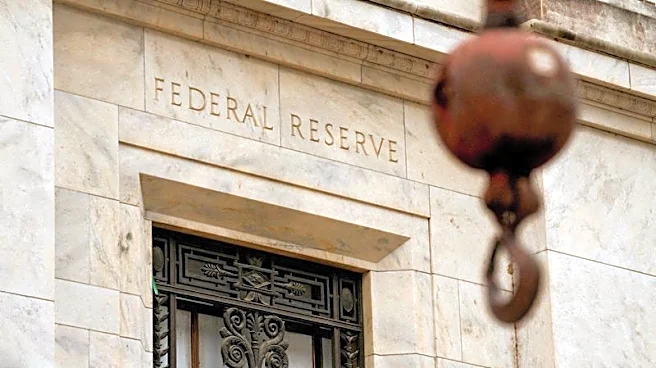


Oct 14 (Reuters) - The US labor market remained stuck in a low-hire, low-fire state and inflation was intensifying across parts of the country in recent weeks, a Federal Reserve report showed on Wednesday, underscoring what's at stake as the central bank weighs whether to deliver a second straight interest rate hike later this month.
While businesses in much of the country have a positive outlook, their "expectations tend to be for slight growth, weighted toward manufacturing and burdened by persistent
uncertainties," the Fed said in its latest "Beige Book" report, a compendium of survey-based data and commentary from businesses compiled by its 12 regional banks to provide a read on economic conditions.
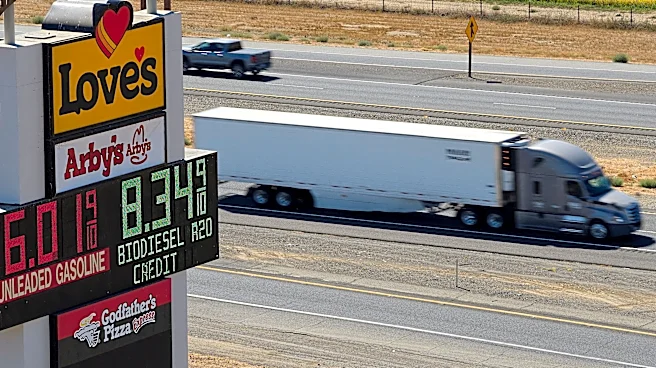
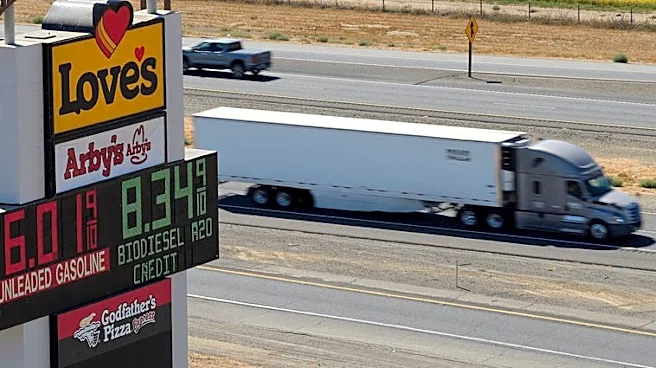
"Firms reported elevated diesel prices and noted that fuel surcharges were passing on increased costs throughout the supply chain," said the report. It noted that three of the Fed's 12 districts described price growth as robust and eight as moderate, with three noting it was "intensifying."
"Contacts in multiple Districts also noted continued price pressure from other commodities, tariffs, and insurance," it said.
The survey also acts as something of a barometer for the economic pressures voters are dealing with ahead of the November 3 midterm elections, which will determine whether President Donald Trump's Republican Party maintains control of Congress.
The cost of living is the top issue cited by voters in a recent Reuters/Ipsos poll.
The Fed increased its policy rate by a quarter of a percentage point to the 3.75%-4.00% range last month, and most policymakers have indicated another hike will likely be needed this year, though probably not until December.
Financial markets are pricing about a 37% chance of a rate hike at the Fed's October 27-28 meeting after data on Wednesday showed consumer prices rose 3.7% in the 12 months through September, far faster than the central bank's 2% target and above the consensus forecast of economists polled by Reuters.
Higher gasoline costs from the Middle East war were largely to blame for the higher CPI reading, with fast-rising software and toy prices also pointing to the impact of AI-driven demand and higher tariffs under Trump's trade policy.
The rising cost of borrowing to buy a home is an added burden for many US households. The average rate on a 30-year fixed-rate mortgage rose last week to 7.5%, the highest in nearly three years, the Mortgage Bankers Association said on Wednesday.
The data for the latest Beige Book was collected on or before October 5.
(Reporting by Ann Saphir; Editing by Paul Simao)