



By Andreas Rinke and Felix Hoske
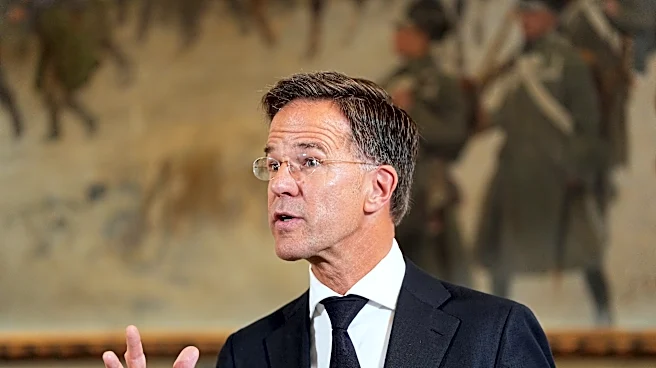
KYIV, Oct 4 (Reuters) - Germany will not be intimidated into dropping its support for Ukraine, Chancellor Friedrich Merz said on Sunday as he announced a further €1 billion ($1.1 billion) in military aid during a visit to Kyiv marked by Russian drone attacks.
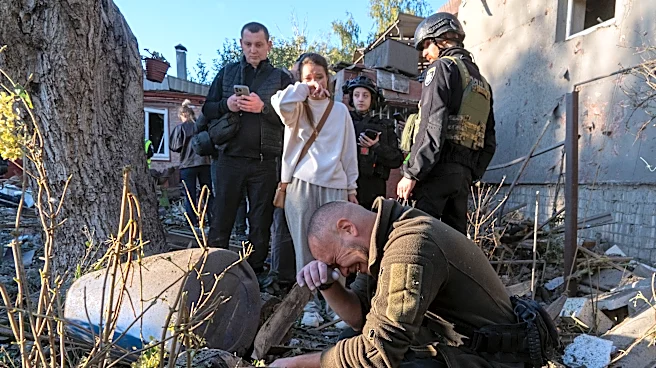
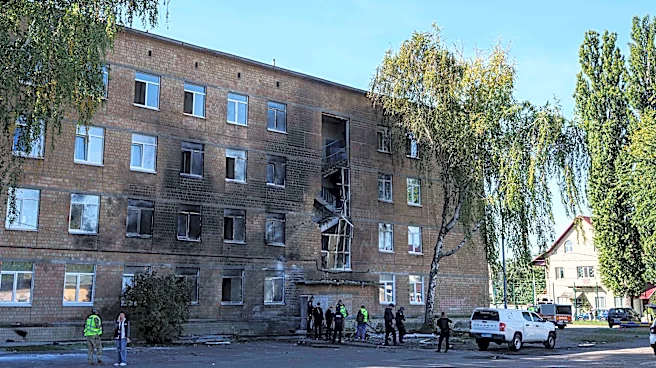
Air-raid sirens and explosions rang out repeatedly across the Ukrainian capital as Merz and Ukrainian President Volodymyr Zelenskiy visited a memorial to soldiers killed during the four-year-old war, as well as the Academy
of Sciences where at least two people died in a drone strike last week.
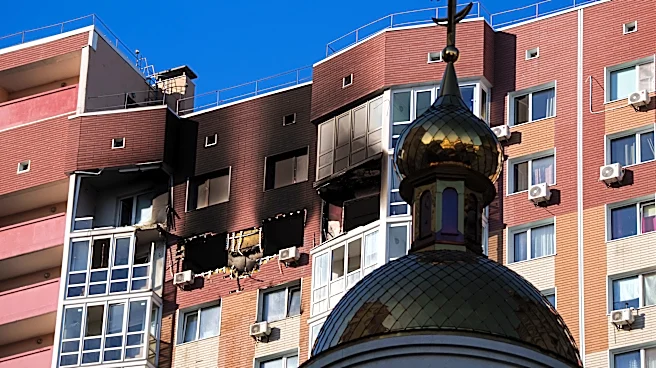
Russia has escalated its drone attacks on Kyiv and other cities in recent weeks, targeting telecoms, electricity and transport infrastructure as well as military assets.
Speaking at a press conference alongside Zelenskiy, Merz said Moscow was trying to break the morale of the Ukrainian people, and announced €350 million for repairs in the energy sector. He said Germany remained Ukraine's strongest backer.
DEALS WITH GERMAN COMPANIES WORTH €6.5 BILLION
"We do this not only to protect Ukraine's territorial integrity; we do it deeply in our own interest, for it is a matter of Europe's security," Merz said, noting that Russia was carrying out cyberattacks and disinformation campaigns that struck at Europe's democratic order.
"This demonstrates that we will not be intimidated," he said.
Russia has said accusations of hybrid warfare are baseless and the result of anti-Russian hysteria.
Officials said executives from German companies, who travelled with Merz, had signed 16 agreements with the Ukrainian government and businesses worth roughly €6.5 billion.
Among those deals, Ukraine inked an agreement with Germany's Diehl Defence for the supply of IRIS-T air defence missiles, as well as a deal for radar equipment with Hensoldt and for jet drone interceptors with Quantum Systems.
Zelenskiy praised a new jet drone interceptor, dubbed SPYS and developed by Quantum, for showing promising results. He said Ukraine and Germany were close to finalising a broad defence deal, which he has previously said would include the production of drones, missiles and related software.
ZELENSKIY VOWS TO RESPOND
Since the summer, Russia has targeted civilian and military infrastructure daily with dozens of high-speed jet-powered attack drones – which Ukraine has struggled to down because they are much faster than previous propeller versions.
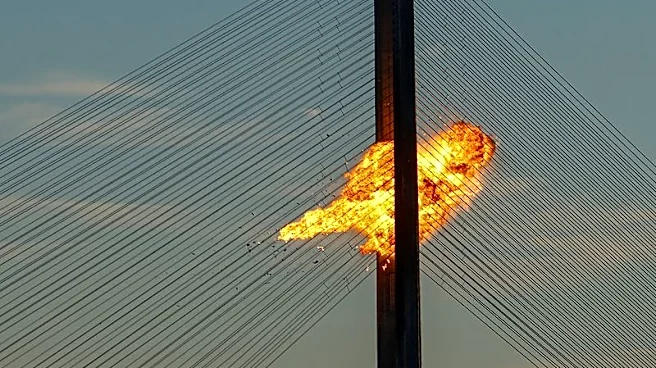
One of the Russian strikes on Sunday hit the Northern Bridge across the Dnipro River, damaging its roadway, Kyiv Mayor Vitali Klitschko said on Telegram. The explosion injured two people and damaged a hot water supply system in the area, he said.
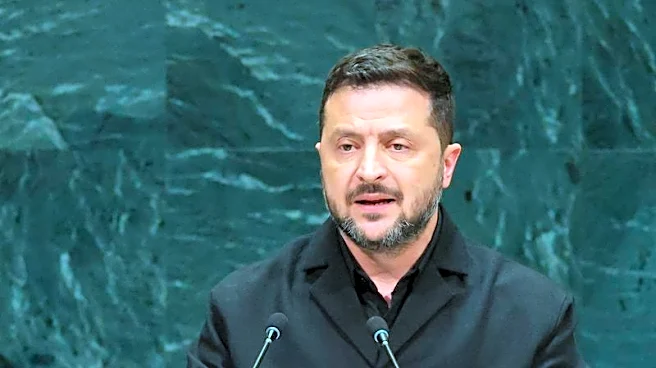
Zelenskiy said Russia's decision to escalate air strikes against infrastructure targets was due to setbacks it had suffered on the battlefield, and he vowed that Ukraine would retaliate. He said Russian President Vladimir Putin wanted to force residents to flee Ukraine's major cities.
"If our bridges collapse, we will manage to get out of this situation, but his people will feel it too ... This is maximum escalation of this war," Zelenskiy told reporters.
Russia has been attacking Kyiv's bridges since last week in an effort to disrupt links between the capital's two sides and logistics routes between central and eastern Ukraine.
MERZ APPEALS FOR END TO 'SENSELESS WAR'
Zelenskiy said U.S. peace envoy Steve Witkoff has messaged him to urge a return to trilateral talks as soon as possible. He said Ukraine was willing to meet this month and hoped Russia would join, but he said Western allies need to apply more pressure to Moscow to bring the war to an end.
Earlier in the day, during the visit to the badly damaged Academy of Sciences, Merz appealed to Putin to "put an end to this senseless war".
"We are ready for talks, we are ready to discuss bringing this war to an end, but these barbaric attacks on the civilian population of Ukraine must stop," the German leader said.
Russia's Foreign Ministry said on Saturday that Moscow would continue to systematically hit targets in Ukraine in what it said were retaliatory strikes for Ukrainian attacks on Russia. It warned foreign nationals and diplomatic staff against travelling to Ukraine.
($1 = 0.8887 euros)
(Reporting by Andreas Rinke and Felix Hoske; Additional reporting by Pavel Polityuk and Daniel Flynn; Editing by David Holmes and Helen Popper)