




By Jana Choukeir and Susan Heavey
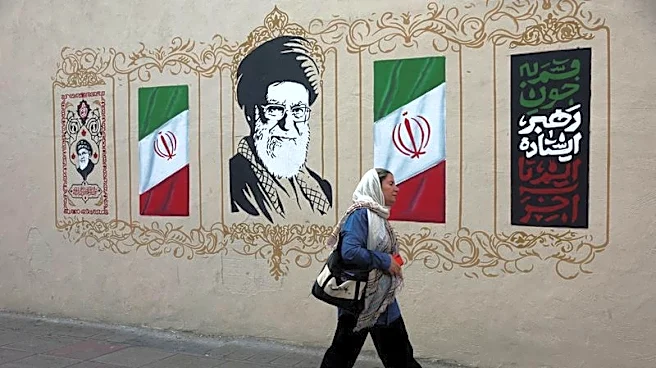
DUBAI/WASHINGTON, Aug 21 (Reuters) - Iran said on Friday that its response to any new U.S. threats would be "devastating" after Washington pledged to impose the toughest financial penalties in history with the aim of toppling the Iranian leadership.
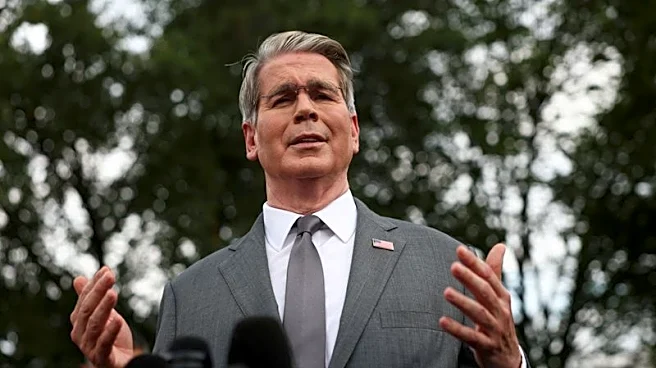
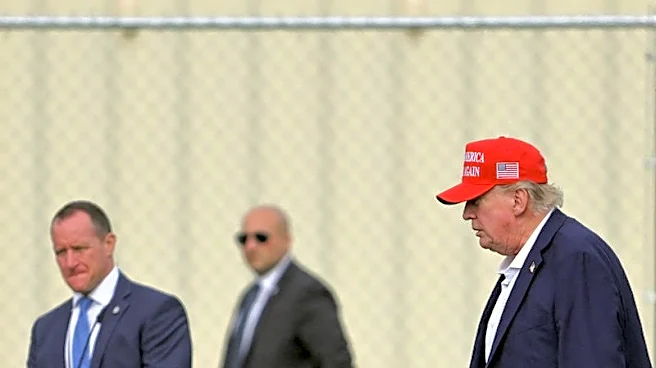
U.S. Treasury chief Scott Bessent's comments on Thursday followed a warning from President Donald Trump of economic consequences against any country that provided "any type of lifeline to Iran." Bessent promised details
on Monday.
The chief of staff of Iran's Armed Forces, Major General Ali Abdollahi, said the Islamic Republic's reaction would be broad and decisive.
"With preparedness across land, sea, air, air defence and cyberspace, Iran's armed forces will respond to the enemy's new threats with crushing, punishing and devastating responses," Abdollahi was quoted as saying by Iranian media.
Iran's powerful parliament speaker Mohammad Baqer Qalibaf, the country's main negotiator in mediated negotiations with the United States, said Washington appeared to have concluded it could not prevail in its direct military confrontation.
"We must make plans to deal with the unjust sanctions so that we can overcome them," he said during a visit to neighbouring Iraq, accusing the U.S. and Israel of resorting to what he said was economic and "cognitive" warfare.
BESSENT SAYS MEASURES SHOULD NOT DRIVE UP OIL PRICE
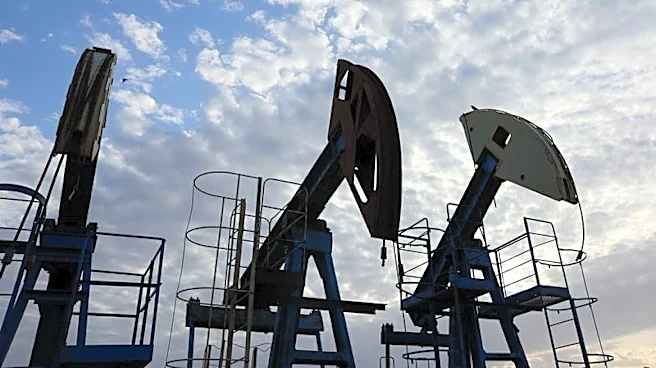
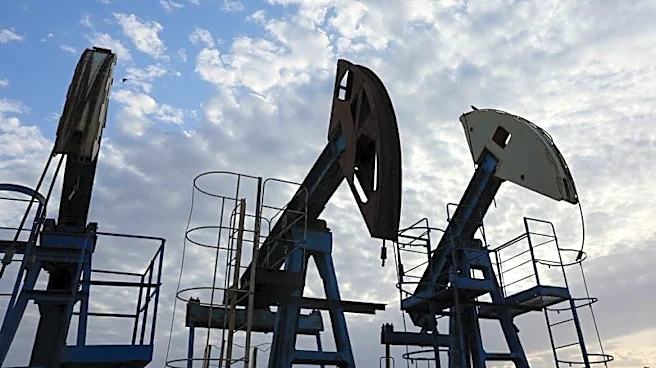
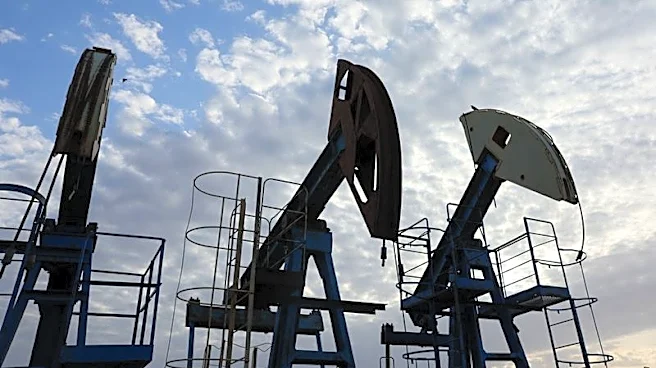
Oil prices steadied on Friday but were on track for a second weekly rise on concern over Gulf energy exports. Oil hit a more than three-week high on Thursday after the sanctions threat, intended to force Iran to agree an end to a conflict that has stranded millions of barrels of Middle Eastern oil.
"I'm not sure why oil has popped up on this," Bessent told CNBC. "If we are doing the maximum economic pressure, then that means that likely there will not be a large-scale kinetic restart," he said, using a term referring to military force.
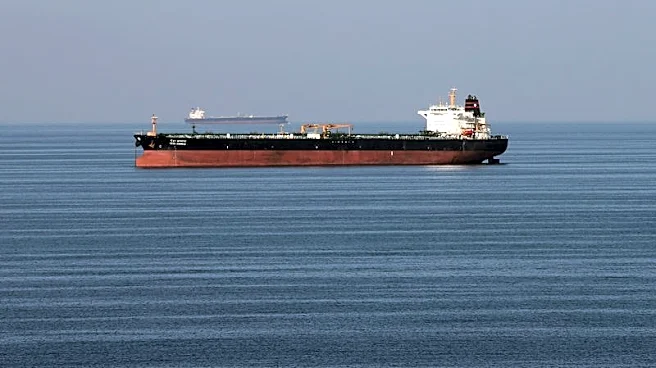
Thousands of people have been killed in the war, which drew in Gulf nations and shocked markets as Iran flexed its ability to curb shipping through the Strait of Hormuz — a waterway that carried about a fifth of all traded oil before February.
The U.S. and Iran have twice announced ceasefire deals, in April and June, aiming to restore the free flow of shipping through Hormuz on a path towards ending the nearly six-month-old conflict, but both quickly crumbled.
Iran has weathered near-continuous, punishing economic sanctions for nearly 50 years, since the Islamic Revolution of 1979.
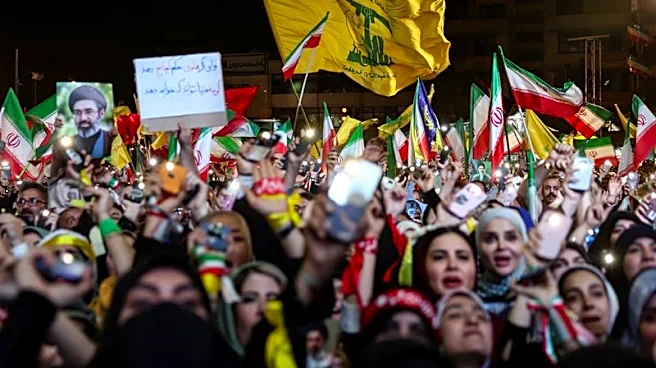
Before Bessent spoke, Iran's foreign ministry said it condemned U.S. economic and trade sanctions, calling them "economic terrorism" that would not "create even the slightest hesitation in Iranians’ determination to safeguard Iran’s independence, dignity and national sovereignty."
Bessent told CNBC he would share more details on the latest package and "talk about exactly what we're going to do" on Iran at a press conference on Monday.
"It is a one-two punch. We have the blockade (on Iran), and we are going to have the toughest sanctions in history," he added, referring to a U.S. naval blockade imposed on Iran in April and paused for a month in mid-June.
"It is going to work in Iran and we are going to collapse this regime. It is time for our allies and the rest of the world to make a decision," he said.
Trump is under pressure at home to end the war, with high fuel prices dragging down his approval ratings and potentially threatening his Republican Party's control of Congress in midterm elections in November.
REIMPOSED US BLOCKADE STARTS REDUCING OIL FLOWS TO CHINA
China buys more than 80% of Iran's shipped oil, according to 2025 data from analytics firm Kpler, but engaging in further economic warfare with Beijing, a major exporter to the U.S. including of vital rare-earth minerals, risks retaliation against Washington.
When asked if the United States could target China for doing business with Iran, Bessent said many conversations were best to have in private.
"Keep in mind that the Chinese get 50% (of their) energy... from the Gulf. So it would do them a big service to get with the program," he said.
China's embassy in Washington said "sanctions and pressure do not help resolve the problem".
"China calls on the relevant parties to take responsible actions and resolve the issue through political and diplomatic means," according to an embassy spokesperson.
Offers of Iranian crude to Chinese buyers have already declined and prices have jumped this week as the U.S. blockade on Iranian ports — reimposed on July 13 — has cut Tehran's shipments, trade sources told Reuters.
(Reporting by Jana Choukeir in Dubai, Susan Heavey in Washington and Reuters bureaux; Writing by Costas Pitas and Philippa Fletcher; Editing by Lincoln Feast and Gareth Jones)