




By Sinéad Carew and Noel Randewich
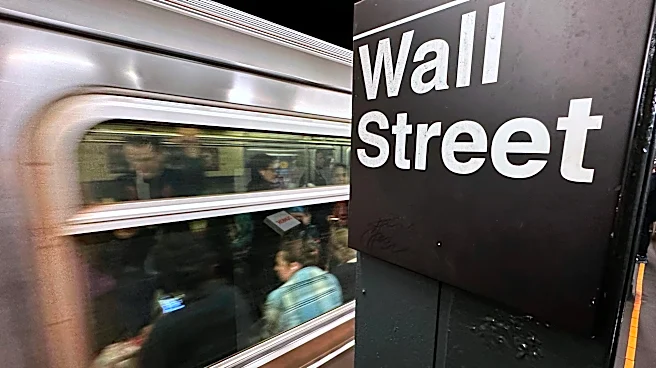
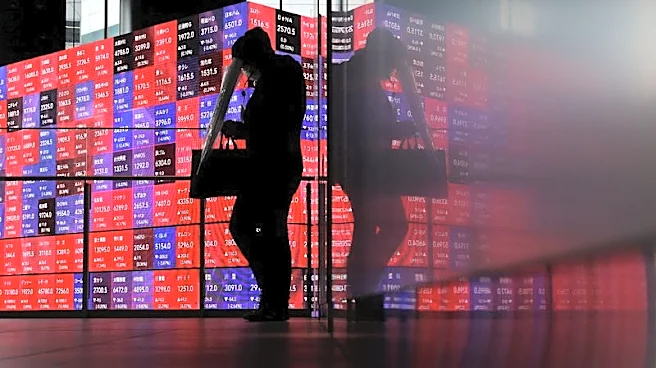
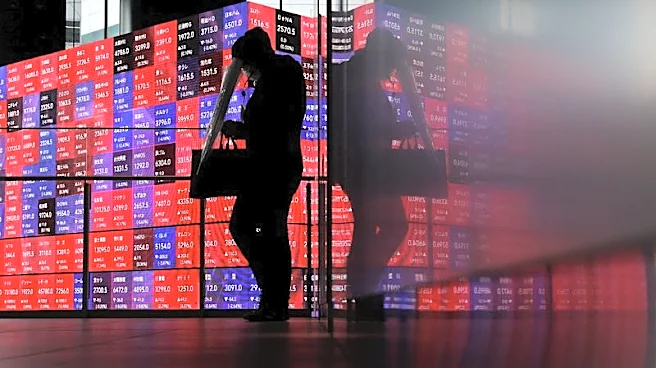
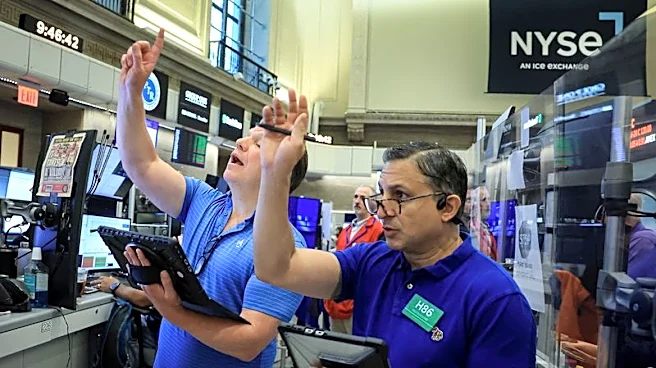
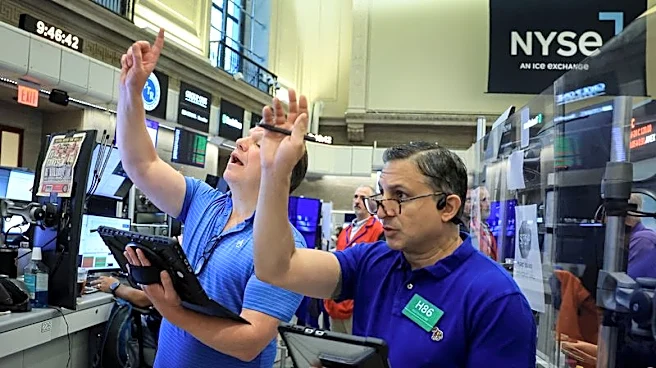
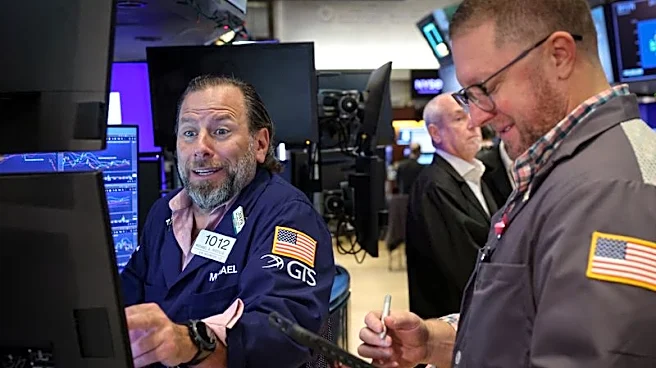
July 27 (Reuters) - Wall Street dipped on Monday, as investors worried that stubbornly high oil prices could force the Federal Reserve to raise interest rates, as they also awaited guidance from major technology companies in a busy week for quarterly earnings.
Microsoft, Amazon, Meta and Apple are set to report quarterly results this week. Investors were questioning whether a multi-year rally fueled by optimism about artificial intelligence may be losing steam.
Investors
last week were spooked by quarterly results from Tesla and Alphabet that showed heavy spending on artificial intelligence.
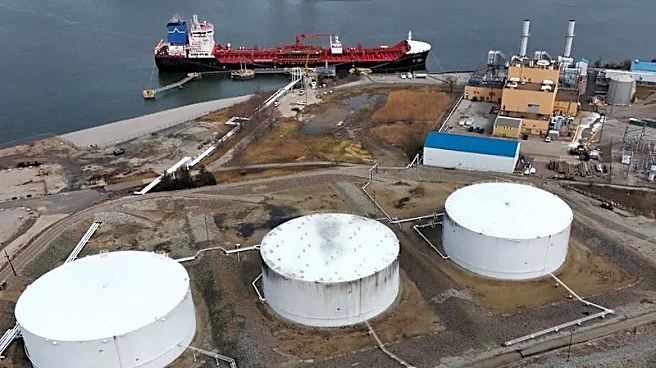
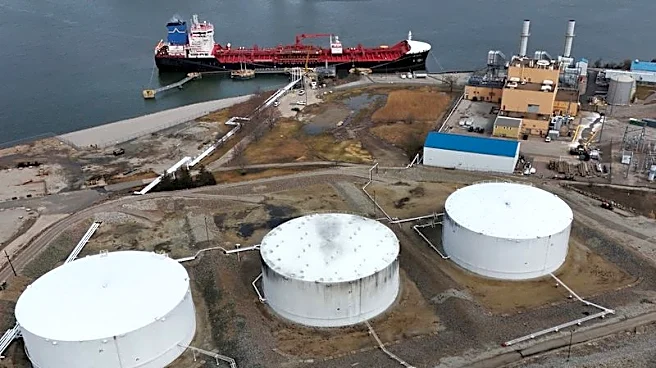
On Monday, crude fell to a one-week low as U.S. President Donald Trump said Washington was having "good talks" with Iran and there was a chance of a peace deal, but warned U.S. strikes would resume if the negotiations failed to deliver. Oil prices surged last week, with Brent futures surpassing $100 a barrel, after new strikes on shipping in the Middle East.
Nvidia fell 4.9% and smaller rival Advanced Micro Devices lost 7.3%, with losses in those and other chipmakers weighing heavily on the S&P 500 and Nasdaq.
The PHLX chip index dropped 3.5% and was down about 22% from its record high close on June 22. The chip index remains up 61% in 2026.
Chinese chipmaker CXMT Corp's stellar debut on Monday and a report that the country has started manufacturing homegrown DUV chipmaking tools also signaled intensifying competition for the U.S. semiconductor industry.
Other parts of the U.S. stock market climbed, with the S&P 500 consumer staples index adding 1.7% and the health care index up about 1%.
"Today represents a continuation of the rotational market that we've seen," said Bill Merz, head of capital markets research and portfolio construction at U.S. Bank Asset Management Group. "Part of the market reaction may be related to that creeping suspicion that perhaps a rate hike is coming."
The S&P 500 was down 0.24% at 7,394.28 points. The Nasdaq declined 0.56% to 24,835.82 points, while the Dow Jones Industrial Average was up 0.25% at 52,078.55 points.
Even as the S&P 500 fell, advancing issues outnumbered falling ones within the index by a 1.6-to-one ratio.
The S&P 500 posted 28 new highs and three new lows; the Nasdaq recorded 88 new highs and 150 new lows.
Brent crude prices slid 8% to about $89 a barrel after Washington abruptly suspended a two-week campaign of air strikes against Iran on Saturday in the president's latest strategic U-turn in the five-month-old conflict.
Oil companies Occidental Petroleum and Exxon Mobil dropped 3.2% and 1.4%, respectively.
The Fed's monetary policy decision is due on Wednesday and traders are projecting a 62% chance the central bank will leave rates unchanged, with a 38% chance of a 25 basis-point hike, according to the CME FedWatch tool.
The Personal Consumption Expenditures Price Index for June is due a day after the central bank's decision and will be key in shaping market expectations for interest rates later this year.
Analysts on average expect S&P 500 aggregate second-quarter earnings to jump 39% from a year ago, with AI-related stocks accounting for much of that growth, according to LSEG I/B/E/S.
The S&P 500 is trading at around 20 times expected earnings, compared to a 10-year average of 20, according to LSEG data.
(Reporting by Johann M Cherian and Ragini Mathur in Bengaluru, by Sinéad Carew in New York and by Noel Randewich in San Francisco; Editing by Saumyadeb Chakrabarty, Joyjeet Das and David Gregorio)