




By Dan Catchpole and Shivansh Tiwary
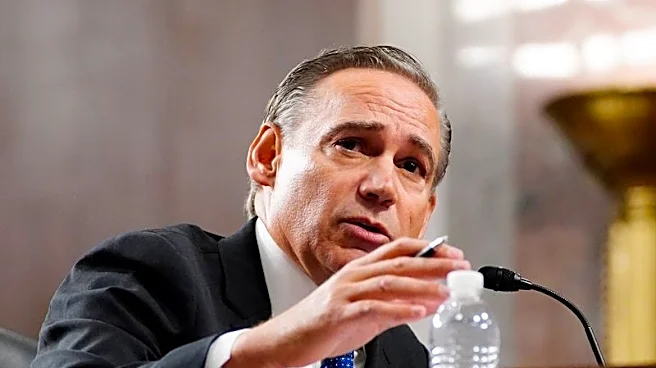
SEATTLE, April 22 (Reuters) - Boeing is counting on the Trump administration to help unlock a long-awaited major order from China, Boeing CEO Kelly Ortberg told Reuters in an interview on Wednesday, adding the U.S. planemaker has reached "a good solution" with Chinese airlines addressing their concerns about access to critical spare parts.
U.S. President Donald Trump has previously threatened to cut off that access, including spare engine parts, in his ongoing trade
dispute with China.
"Without the administration's support, I don't think we'll see any near-term large orders out of China," Ortberg said. "It really is something that would be tied to the effort from the administration."
Boeing and China have been in prolonged talks for a deal that industry sources say could include 500 737 MAX jets, plus dozens of widebody jets. It would be the country's first major Boeing order since 2017.
Trump and Chinese President Xi Jinping are scheduled to meet in May after a previously scheduled summit was postponed due to the Iran war.
RISING 737 PRODUCTION
The U.S. planemaker is increasing 737 production from 42 jets a month at its Renton, Washington, plant, to 47 per month by the end of the year. The company plans to open a new production line, dubbed the North Line, in Everett, Washington, this summer. The company will focus on getting U.S. Federal Aviation Administration certification for the line, Ortberg said.
The new line is not expected to contribute to Boeing's production rate until early next year, when the company aims to move to 52 jets per month, he said.
"We will be rate-increasing across the board," he said.
The Everett line will be able to build all 737 MAX variants except the MAX 7, Ortberg said. Boeing initially plans to use it primarily for the MAX 10.
Ortberg said the Iran war is unlikely to disrupt aircraft deliveries, with the planemaker’s global backlog helping cushion near-term volatility. Middle East customers account for 14% of Boeing's orders, but about two-thirds of those are slated for delivery in the 2030s.
The company has continued deliveries to the region this quarter and has received no requests from customers to defer aircraft, he added. Instead, customers from other regions have told the company they would take any delivery slots that open up due to delivery deferrals, he said.
"I'd be surprised if we see any major changes," Ortberg said.
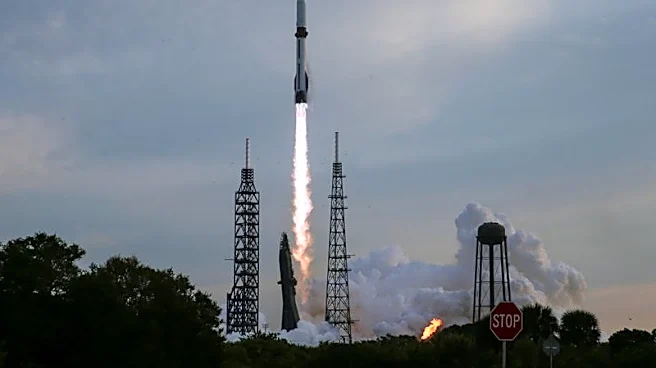
In space, Ortberg said Boeing remains committed to the commercial launch market despite intensifying competition from SpaceX and Blue Origin.
Ortberg pointed to follow-on Artemis missions, the rollout of the next Space Launch System rocket and two planned Starliner flights this year - one uncrewed and one crewed - as "important near-term milestones for us to recover in our space business."
(Reporting by Dan Catchpole in Seattle and Shivansh Tiwary in Bengaluru; Editing by Rod Nickel)