
April 10 (Reuters) - It's all about the Iran war once again, with weekend ceasefire talks being the main event, but the coming days will also give early indications of the fallout for big companies and
the world's second largest economy, China.
World leaders will have plenty to talk about as they gather in Washington, while Hungary holds a momentous election.
Here's all you need to know about the coming week in financial markets by Karin Strohecker, Marc Jones and Alun John in London, Lewis Krauskopf in New York and Rocky Swift in Tokyo.
1/ BIG TALKS
Almost every financial market in the world has been trading in response to the oil price since the Iran war began, and it is hard to see that changing any time soon.
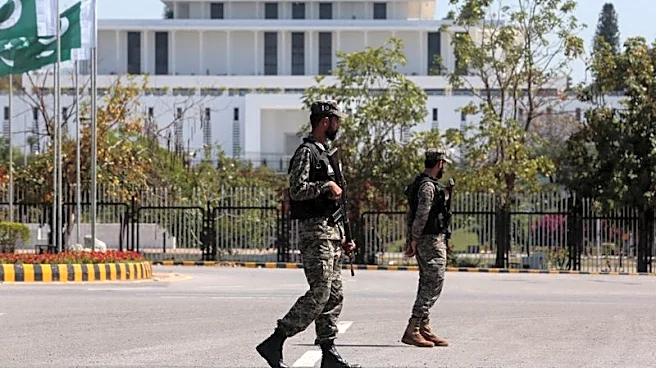
That means investors will be spending their weekend checking for any news from the peace talks between the U.S. and Iran in Pakistan's Islamabad.
The announcement of a ceasefire late Tuesday sent benchmark oil prices back below $100 a barrel, and sparked a surge in global stocks. That deal is looking fragile though, as the two sides disagree on key aspects, including whether it applies to Lebanon, which Israel continues to strike.
There is also no sign of Iran lifting its near-total blockade of the Strait of Hormuz, which has caused the worst-ever disruption to global energy supplies.
And while benchmark oil futures are well off their highs—even if far above prewar levels—prices in the physical market are at record levels and pain in real economies is starting to bite.
2/ WALKIN' DOWN TO WASHINGTON
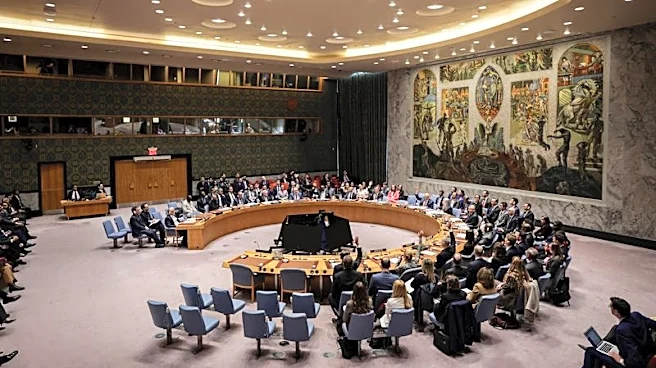
The impact from the Iran war and rising geopolitical risks is going to be at the top of the agenda for finance chiefs from around the globe who gather in Washington for spring meetings of the International Monetary Fund and the World Bank Group.
The week will be sprinkled with reports and forecasts—the Fund's World Economic Outlook and Global Financial Stability reports are due on Tuesday and regional updates thereafter—with no one expecting good news. Both G7 and G20 finance ministers and central bank governors will also meet.
The war is expected to crimp growth, raise food insecurity and borrowing costs, and ramp up price pressures thanks to higher energy costs.
Faced with yet another shock after COVID-19, Russia's war with Ukraine and trade turmoil, a number of developing nations are expected to ask the Fund for more help.
3/ BANKS OPEN Q1
We'll also start to get a sense of what the war has meant for companies as results from major U.S. banks and some other big global names are due.
Goldman Sachs reports on Monday, with JPMorgan, the largest U.S. lender, due on Tuesday along with Wells Fargo and Citigroup. Strong interest income and investment banking fees are expected to help them post higher quarterly earnings.
Other company reports on tap next week include Netflix, Johnson & Johnson and PepsiCo, while elsewhere we get Taiwan's TSMC and Europe's ASML and LVMH.
S&P 500 earnings are estimated to have climbed more than 14%, but fallout from the war will cloud the reports, including ripple effects from energy-driven inflation.
4/ WHAT ABOUT CHINA?
Key Chinese data on Thursday will offer a first look at how the world's second biggest economy is adapting to a slower growth trajectory and the war.
Beijing is expected to say first quarter gross domestic product (GDP) grew at 5% year-on-year, according to the median forecast in a LSEG poll of 11 analysts.
China's GDP growth slowed to a three-year low of 4.5% in the final quarter of 2025, and in March, the government set a slightly lower target for 2026 as they seek to rebalance the economy and stay competitive with the United States.
5/ ORBANISHED?
After 16 years of Viktor Orban's rule in Hungary, investors are primed for the once-unthinkable prospect that the firebrand prime minister and long-term thorn in the European Union's side could be voted out of power on the weekend in what has been billed as Europe's most market-sensitive election of the year.
Three years of economic stagnation, the biggest inflation shock since the 1990s and revelations about his ties to Russia, mean opinion polls predict the 62-year-old will be beaten by his former ally-turned-foe Peter Magyar, who is promising a reset with Brussels that would unlock billions in EU funding.
Political analysts say the spectrum of potential outcomes in Sunday's vote is extremely wide, including the potential he clings on, or refuses to go without a fight.
Judging by some, the sharp share price drops of companies linked to him and the relative outperformance of Hungary's currency and bonds in recent months, investors are betting on change. But markets are bracing for volatility.
There's an election happening over in Peru too, although with a record 35 candidates in the mix, it will almost certainly need a deciding run-off vote in June.
(Graphics by Vineet Sachdev, Karin Strohecker and Marc Jones, compiled by Alun John; Editing by Janane Venkatraman)