






By David Shepardson
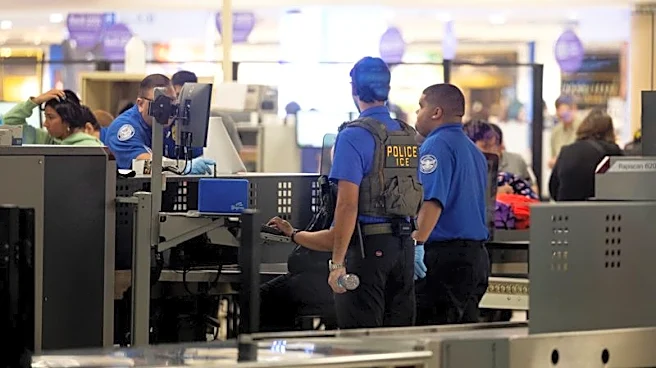
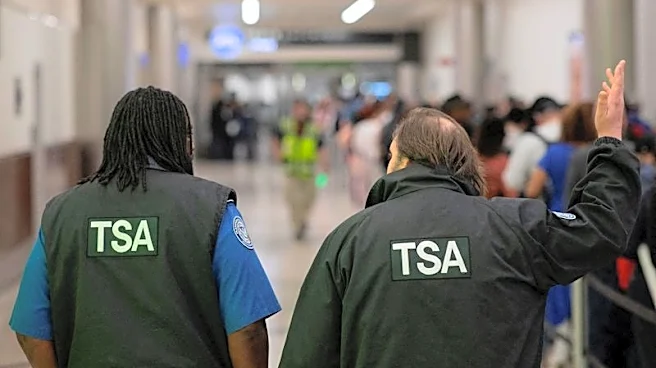
WASHINGTON, April 6 (Reuters) - The White House is proposing to cut more than 9,400 workers and just over $1.5 billion from the 60,000-employee Transportation Security Administration that handles airport security operations, according to budget documents.
The details were part of a budget document for the Department of Homeland Security, which oversees TSA, that is part of the White House budget proposal for the next fiscal year.
Congress will hold hearings on the White House budget
request later this month as lawmakers aim to reach a new budget deal before the fiscal year ends on September 30. Some Republican lawmakers have pushed to privatize TSA completely.
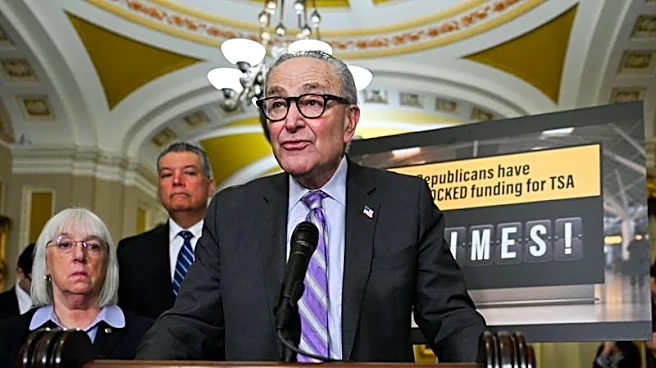
The budget details were unrelated to the funding impasse in Congress over DHS for the current year, which has caused airport delays as TSA workers went without paychecks.
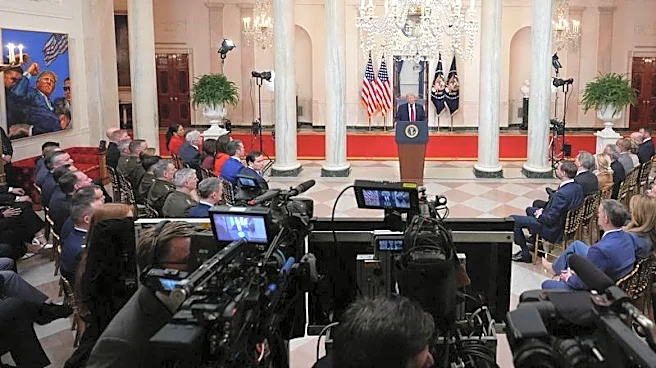
President Donald Trump on Friday proposed requiring smaller airports to use private security in place of TSA as a first step toward privatizing the agency created after the September 11, 2001, attacks. The White House said this change would cut the TSA payroll by more than 4,500 jobs. The TSA proposes to cut another 4,800 jobs by improving efficiency, ending staffing at exit lanes and eliminating redundancies.
The employee cuts would save more than $500 million in agency costs.
The proposal would cut the agency's $7.8 billion budget by about 20% and comes after TSA has lost more than 1,600 workers during government funding disruptions last fall and this spring. About 50,000 security screeners at U.S. airports are TSA employees.
Trump has been critical of the TSA. He fired its head, David Pekoske, on his first day in office in 2025 and has never nominated a replacement.
Last year, the White House said it wanted funding cut for the TSA by $247 million, saying the "TSA has consistently failed audits while implementing intrusive screening measures that violate Americans’ privacy and dignity".
The Biden administration had increased the size of the TSA. The TSA screened 904 million passengers in 2024, which was a record high and a 5% increase over 2023.
(Reporting by David Shepardson; Editing by Cynthia Osterman)