







BANGKOK, May 18 (Reuters) - Thailand's economy grew faster than expected in the first quarter of 2026, helped by higher exports, consumption and investment, official data showed on Monday, but the government has kept its outlook for the year unchanged as the war in the Middle East drags on.
Southeast Asia's second-largest economy will be supported by the government's borrowing plan to alleviate cost of living challenges and support the clean energy transition, the National Economic and Social Development
Council said.
The economy grew by 2.8% in the January-March quarter from a year earlier, beating the median forecast of 2.2% in a Reuters poll, though the agency kept its full-year outlook unchanged at 1.5% to 2.5% for the full year.
On a seasonally adjusted quarterly basis, the economy expanded 0.7% in the January-March period, higher than the poll forecast of 0.1% growth.
In the final quarter of 2025, growth was 2.5% on the year and 1.9% on the quarter.
The first-quarter growth was also driven by an expansion of manufacturing and government consumption, the NESDC said in a statement, adding that private consumption and investment also rose.
However, Thailand's unemployment rose to 0.91% over the period, up from 0.70% in the previous three months, the planning agency said.
GOVERNMENT BORROWING PLAN TO BOOST GROWTH
For the whole of 2026, the agency said that the economy would be supported by increased private consumption, private investment and public expenditure, including the government's borrowing plans.
Earlier this month, the government approved a 400 billion-baht ($12.26 billion) loan decree and it is planning to launch a consumer subsidy scheme in June to support the economy, which has been hit by the impact of the war in the Middle East and stubbornly high household debt.
The loans will be used to ease living costs and support the energy transition.
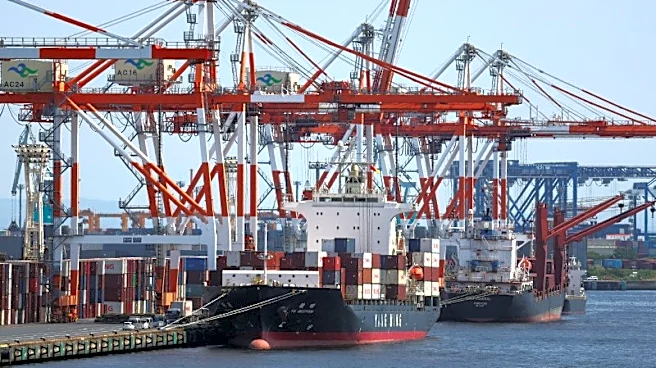
The NESDC also forecast that exports, a key driver of Thai growth, would grow by 9.6% this year, up from an earlier estimate of 2.0% growth.
However, tourism, another key contributor to the economy, was expected to decline, with foreign arrivals forecast at 32 million arrivals this year, down from a February estimate of 35 million.
Bank of Thailand Governor Vitai Ratanakorn said this month that growth was now expected to reach 2.1% this year, up from 1.5% projected at the last meeting, when the key interest rate was held steady at 1.00%. The next rate review is on June 24.
Last week, Finance Minister Ekniti Nitithanprapas said he expected growth to top 3% over the next one to two years, driven by new investments.
Tim Leelahaphan, an economist at Standard Chartered, said the bank's growth forecast for 2026 remained unchanged at 1.4%.
"We see a slowdown ahead.. the effects of the Middle East conflict began to take hold," he said in a note.
The Thai economy expanded 2.4% last year, and has lagged regional peers since the pandemic.
(Reporting by Orathai Sriring, Kitiphong Thaichareon and Chayut Setboonsarng; Editing by John Mair and David Stanway)