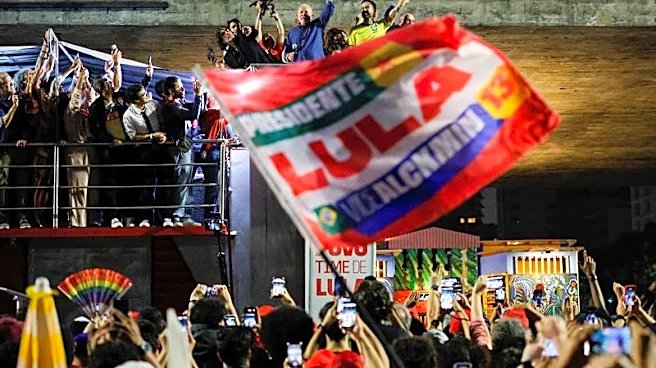










Oct 27 (Reuters) - Citigroup and BCA Research have downgraded Brazilian assets after Lula da Silva's election victory, arguing that the risk-reward profile for equities, bonds and the currency has worsened as investors reassess prospects for fiscal discipline and structural reforms under the new administration.
The calls reflect a broader shift in investor sentiment, with strategists warning that looser fiscal policy, weaker public debt dynamics and slower progress on growth-enhancing reforms could
weigh on Brazilian markets despite constraints from a more conservative Congress.
Here are some details:
• Citi on Monday exited its bullish Brazilian positions after Lula's election win, closing its "overweight" equities call and its long position on the Brazilian real
• "While prices may well fall beyond fair levels, the market was long going into this, which makes an overshoot plausible. Given the outcome of the election, we close our Brazil risk," Citi said
• Brazilian assets plunged on Monday with the Brazilian real tumbling more than 11% against the US dollar and the benchmark Bovespa equity index slumping 13.9% for its biggest one-day decline since March 2020
• Investors expect recent bets on a change of government to unwind
• BCA Research on Monday downgraded Brazil relative to emerging markets, saying Lula's victory "ends the prospect of an orthodox government that delivers structural improvements to Brazil's fiscal accounts and potential growth"
• BCA cut Brazilian equities to "underweight" from "neutral", citing rising default risks, weaker growth prospects and inflation pressures from a softer currency
• The firm also downgraded Brazilian local-currency bonds and sovereign credit to "underweight" from "overweight", warning of deteriorating debt dynamics
(Reporting by Rashika Singh in Bengaluru; Editing by Mrigank Dhaniwala)