




LONDON, Aug 18 (Reuters) - Long-term borrowing costs from the United States to Japan and Germany rose to their highest levels in decades on Tuesday, as renewed inflation worries added to lingering concerns of fiscal pressures across major economies, dealing bond markets a fresh blow.
Thirty-year bond yields in the United States, the world's most systemically crucial government bond market, hit their highest since 2007 as oil prices rose back above $90 a barrel, fanning inflation worries as U.S.-Iran
peace hopes faded.
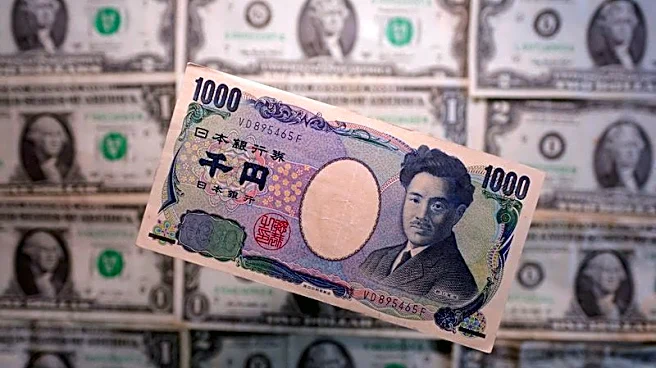
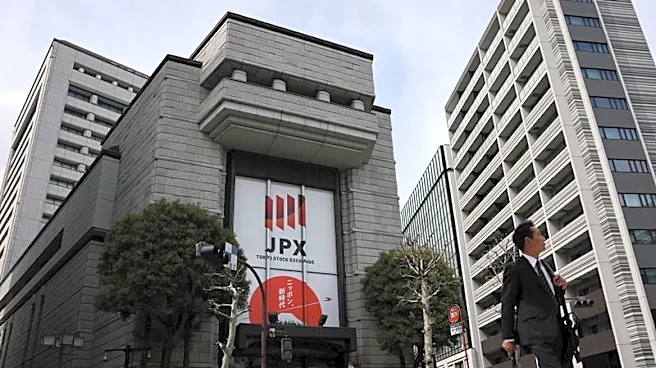
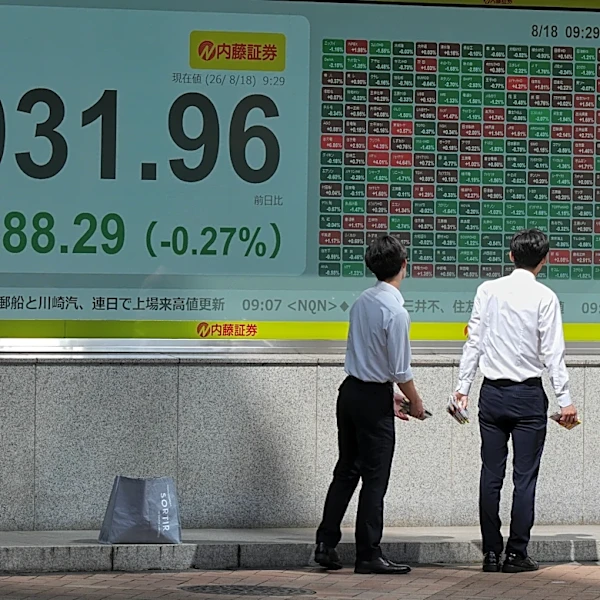
In Japan, inflation angst and expectations that the Bank of Japan could hike interest rates as early as September, pushed benchmark 10-year borrowing costs to a three-decade high just under 3%.
And over in Europe, Germany's 10-year Bund yield touched its highest since 2011, while French yields were at their highest since 2009. When a bond's yield rises, its price falls.
"The market is demanding a higher term premium for holding long-duration government debt," said Charu Chanana, chief investment strategist at Saxo Bank in Singapore.
Competition for capital from AI hyperscalers, which have ramped up bond sales this year, combined with rising budget deficits and, in the United States, concern about clear communication from the Federal Reserve under new chief Kevin Warsh, help explain the recent selling, analysts said.
The selloff in government bond markets, exacerbated by inflation pressures, ripples through economies, as sovereign debt sets the benchmark for borrowing costs for corporates and other loans such as mortgages.
Persistently higher yields at U.S. bond sales last week have also put a spotlight on investor appetite for government debt against a backdrop of rising fiscal deficits.
U.S. 30-year Treasury yields, last trading at around 5.32%, rose almost 40 basis points last month -- their biggest monthly jump since December 2024.
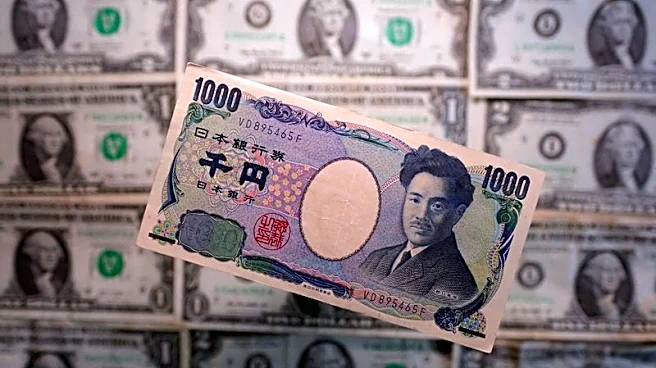
Foreign holdings of U.S. Treasuries slid in June, data from the Treasury Department showed on Monday, led by declines in holdings by Japan, the UK and China.
Japan is the largest foreign holder of U.S. bonds.
And rising bond yields in Japan - where 30-year borrowing costs are just above 4% - are also starting to lure Japanese investors, traditionally big buyers of U.S. debt, back home.
"JGB yields are now much more competitive as the BOJ normalises policy," said Chanana, noting the fall in Japan's U.S. bond holdings in June.
"That doesn't mean Japan is abandoning Treasuries, but it does mean Washington can no longer assume that foreign demand will absorb additional supply at yesterday's yields."
(Reporting by Dhara Ranasinghe in London and Gregor Stuart Hunter in Singapore; Editing by Elisa Martinuzzi and Susan Fenton)