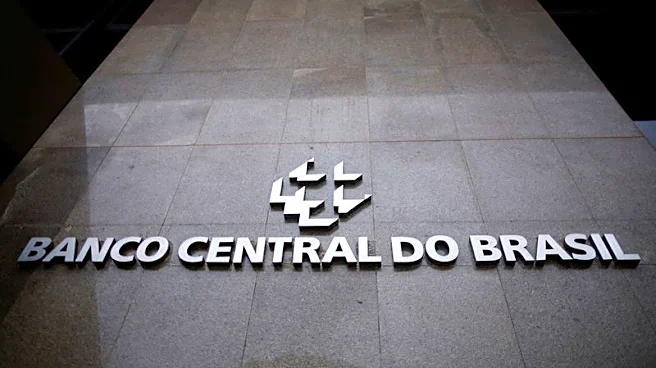







BRASILIA, June 23 (Reuters) - Brazil's central bank on Tuesday signaled a preference for combining periods of pause and renewed easing to bring inflation back to its 3% target by the first quarter of 2028, arguing that pushing the convergence horizon helps avoid unwanted volatility.
The message came in the minutes of its latest rate decision, in which policymakers said scenarios using this strategy produced smaller output fluctuations.
They also stressed that paths to ensure convergence by end-2027,
its current relevant horizon, would require "abrupt changes in direction and of large magnitude in the Selic rate, followed by several quarters of inflation below the target."
Last Wednesday, the central bank cut rates by 25 basis points for a third straight meeting, to 14.25%, and again left its next steps open despite higher inflation projections.
The decision steepened the yield curve after the bank argued that bringing inflation to target over the fourth quarter of 2027 would push inflation below the official goal in the immediately following quarter, which will become the reference horizon for the next policy decision in August.
Many read the communication as a stretch to justify continued easing in a more adverse inflation backdrop, reflecting not only price pressures from the Middle East conflict but also stimulus measures by President Luiz Inacio Lula da Silva's government as he heads toward an October re-election bid.
In the minutes, the central bank said that, for now, interest rate paths closer to those in its weekly Focus survey and market pricing are more appropriate, "as they avoid inducing excessive volatility in financial asset prices and macroeconomic aggregates, with effects that could be counterproductive to the convergence of inflation to the target."
It also said best monetary policy practice recommends not fully responding to price changes driven by supply shocks, which are subject to high uncertainty.
These include not only the effects already materializing, such as those stemming from the Middle East conflict, but also risks embedded in projections that have yet to materialize, such as the potential impact of El Nino, it added.
(Reporting by Marcela Ayres; Editing by Andrew Heavens and Chizu Nomiyama )