
July 24 (Reuters) - U.S. stock index futures edged higher on Friday after a tech-led selloff in the previous session, as investors weighed fresh earnings, escalating Middle East tensions and a new tariff
announcement from the Trump administration.
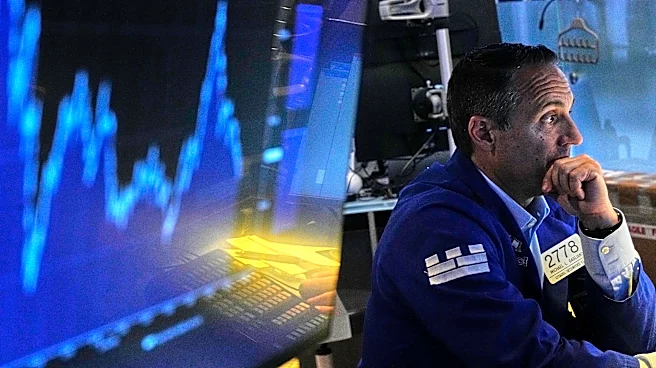
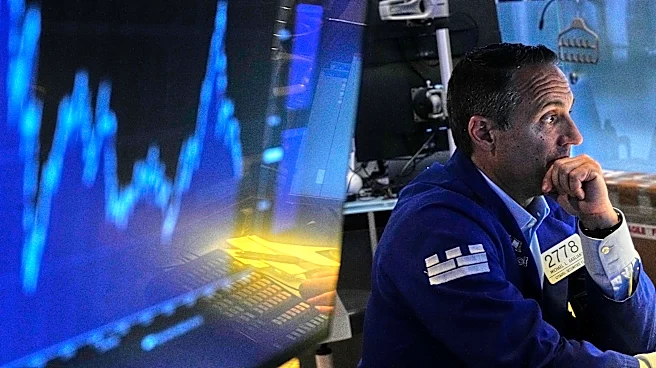
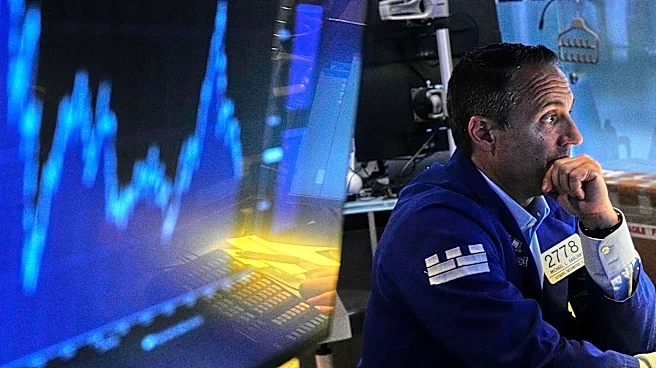
The S&P 500 and the Nasdaq suffered their steepest one-day drops in a month on Thursday, as the AI trade showed further signs of strain. Investors grew wary of mounting capital-spending plans and cash burn among tech heavyweights after Alphabet and Tesla reported results this week.
Intel added to the week's key earnings reports, forecasting quarterly profit and revenue above Wall Street estimates and outlining plans to increase spending over the next two years. Its shares rose 5.3% in premarket trading.
The broader semiconductor sector, however, remained under pressure.
Meanwhile, the Trump administration imposed new tariffs of 10% and 12.5% on goods from 60 trading partners, including Europe and China, citing lax enforcement of forced-labor bans. The move came as a temporary 10% global tariff expired.
"Trump's replacement tariffs were less shock and awe than the first ones," Brian Jacobsen, chief economic strategist at Annex Wealth Management, said in a note.
"They weren't a surprise, they're lower than the first set of tariffs, and they have important carveouts to blunt the immediate effect on consumer prices. It's business as unusual."
Geopolitical risks also remained in focus after President Donald Trump threatened "major military punishment" for Iran and its Houthi allies, following attacks by Yemeni fighters on two Saudi oil tankers in the Red Sea.
Oil prices surged above $100 a barrel on Thursday as investors reassessed the risk of a prolonged disruption to energy supplies.
Brent was up nearly 40% this month. Although prices eased on Friday, a sustained energy shock could rekindle global inflation and unanchor inflation expectations.
The Federal Reserve is due to meet next week, with markets pricing in a roughly one-in-three chance of a rate hike, up from 12% a week earlier, according to CME's FedWatch tool.
Investors will also watch next week's PCE data, the Fed's preferred inflation gauge, due a day after the policy decision.
At 5:44 a.m. ET, Dow E-minis were up 275 points, or 0.53%, and S&P 500 E-minis were up 21.25 points, or 0.29%. Nasdaq 100 E-minis were up 74.75 points, or 0.26%.
The S&P 500 and the Nasdaq were on track for a second straight weekly loss, while the Dow was set for a third consecutive week of declines.
Oracle gained 3.2% after the Pentagon announced a nearly $7 billion agreement, running for up to 10 years, to consolidate the department's on-premises software licenses with the cloud firm under a single contract.
Later in the session, investors will parse the preliminary July PMI data at 9:45 a.m. ET for an updated reading on U.S. manufacturing and services activity.
(Reporting by Ragini Mathur in Bengaluru; Editing by Maju Samuel)