

Jan 30 (Reuters) - Financial markets are heading towards the end of an unforgettable January, not least thanks to the dollar - set for its worst start of the year since 2018, and the coming week brings a set of catalysts that could shake things up further.
Megacap earnings will set the tone for stocks, while U.S. jobs data could bring new headwinds or tailwinds for the dollar, and geopolitics might keep gold looking shiny. Plus, former Federal Reserve Governor Kevin Warsh has emerged as the likely
candidate to run the central bank.
Here's your week-ahead from Rocky Swift in Tokyo; Lewis Krauskopf in New York and Yoruk Bahceli, Dhara Ranasinghe and Karin Strohecker in London.
1/ STRONG POLICY, WEAK DOLLAR
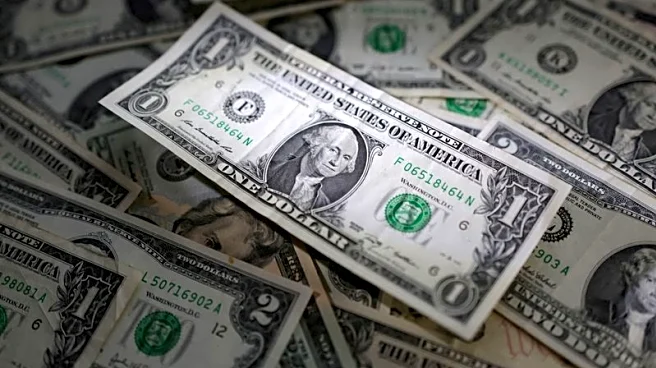
The dollar is languishing near four-year lows, its renewed weakness grabbing the attention of central bankers, investors, and even the White House.
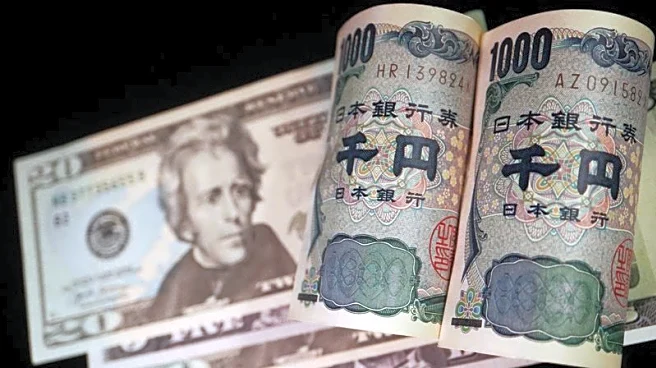
A day after Donald Trump emboldened greenback bears, saying the dollar's value was "great" when asked if the currency had declined too much, Treasury Secretary Scott Bessent said the U.S. has a strong dollar policy and was not intervening to strengthen the yen.
The scale and speed of further falls could challenge banks if investors move at once to protect their U.S. assets from a dollar slide. It could also force central banks from the euro area to Asia to act to prevent a sharp rise in their domestic currencies that could choke off growth.
It's the U.S.'s currency, but be in no doubt, it's everyone else's problem.
2/ JOBS JOLT
Investors will look for evidence of a strengthening U.S. jobs market in the monthly employment report on February 6, as they assess the prospects for further rate cuts.
The Fed cited signs of stabilisation in employment when it held interest rates steady on Wednesday, after easing monetary policy in late 2025 in response to a weakening labour market. Nonfarm payrolls for January are expected to have risen 70,000, a Reuters poll showed, after rising by 50,000 in December.
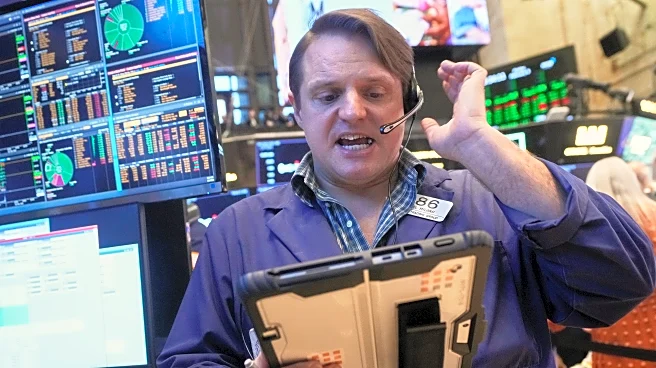
Meanwhile, another heavy crop of earnings reports is about to land. Among them are two of the "Magnificent Seven" megacap companies: Google parent Alphabet and Amazon, which just confirmed 16,000 corporate job cuts.
3/ GOLDEN YEARS
The breathtaking rally that has lifted gold (and silver, platinum and palladium for that matter) to record highs might be showing a few cracks.
Expectations that the next Fed chief could be more hawkish saw gold scuttle away from its near-$5,600 record high, but it's still on track for a 20% rally in January - its strongest month since 1980.
And there seems no shortage of triggers to provide more support for everyone's favourite safe haven - a fracturing world order, a potential attack on Iran, a falling dollar, worries about Fed independence or renewed trade turmoil.
World Gold Council data showed gold demand hit an all-time high last year, as jitters over instability and trade sparked a surge in investment. But sky-high prices have already hit jewellery demand and are set to dampen central bank buying, according to the organisation.
4/ TENSION IN TOKYO
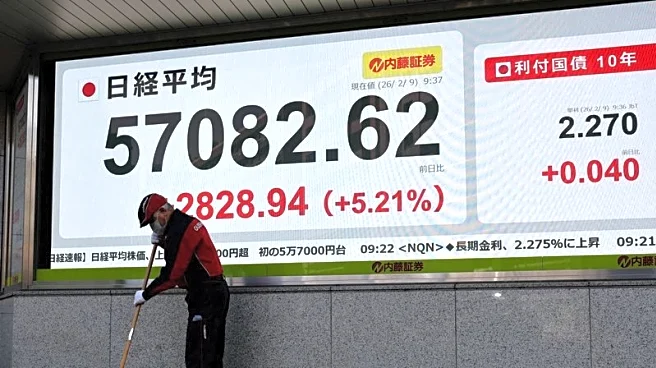
Japan's unsteady bond market faces two key tests of demand ahead of a lower house vote where the prime minister and her opponents are campaigning on increased stimulus.
Japanese government bond yields have surged, sending shockwaves through global debt markets, after Prime Minister Sanae Takaichi announced a snap election and pledged a two-year reprieve on sales taxes on food.
Tuesday sees an auction of benchmark 10-year JGBs, while new 30-year securities will be sold on Thursday. The 10-year yield hit a 27-year high of 2.38% and 30-year yields reached a record 3.88% on January 20 on speculation the election will usher in more debt-funded measures that will further impair Japan's fiscal health.
Yields have stabilised since, while the yen has rallied on threats of official intervention.
5/ A EURO PROBLEM
The ECB meets on Thursday and investors will be on the lookout for any indication on how a stronger euro might impact rates.
It could have been a very different meeting had Trump slapped tariffs on European countries in a push to buy Greenland, but his quick backtrack has avoided that scenario.
The dollar has been under fire since the start of the year, pushing the euro up 3% in the last two weeks alone to above $1.20, its highest since 2021.
Policymakers in Frankfurt aren't happy. They expect euro zone inflation to come in below the ECB's 2% target this year and next and are already worried further euro appreciation could pull inflation even lower.
For now, the ECB is expected to stay on hold and traders believe another rate cut is only slightly more likely by the summer.
(Compiled by Amanda Cooper; Graphics by Prinz Magtulis; Editing by William Maclean)