






By Mike Scarcella
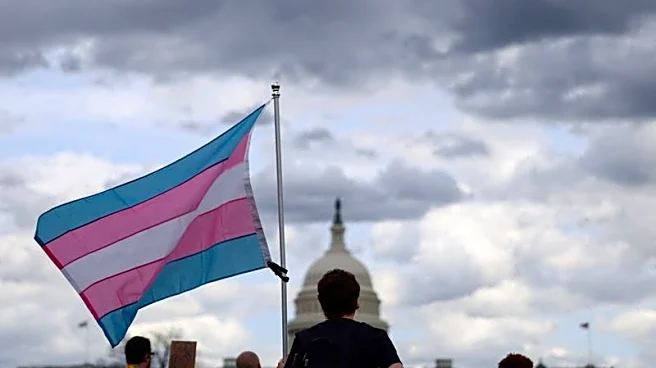
WASHINGTON, Aug 14 (Reuters) - A U.S. federal appeals court handed President Donald Trump’s administration a legal victory on Friday in its efforts to seek data from providers of transgender health care to minors, reinstating a Justice Department subpoena that a lower court had blocked as politically motivated.
In its ruling, a divided panel of the San Francisco-based 9th U.S. Circuit Court of Appeals said a federal judge in Seattle wrongly concluded the Justice Department’s subpoena
was issued in bad faith in a lawsuit brought by telehealth provider QueerDoc.
QueerDoc provides gender-affirming care for patients, including minors, diagnosed with gender dysphoria, which is distress from a mismatch between a patient's sex at birth and gender identity. The subpoena, part of a wave of similar demands from the Trump administration to hospitals and clinics across the country, sought personnel records, billing information, patient records and other information.
“The President may direct DOJ to exercise its statutory authority in a manner that aligns with his broader policy goals,” wrote Circuit Judge Carlos Bea, who was appointed by former President George W. Bush. He was joined by Trump appointee Circuit Judge Daniel Bress. Circuit Judge Richard Paez wrote a dissent.
A lawyer for QueerDoc had no immediate comment. The Justice Department did not immediately respond to a request for comment.
TRUMP ORDERED END TO FUNDING GENDER-AFFIRMING CARE
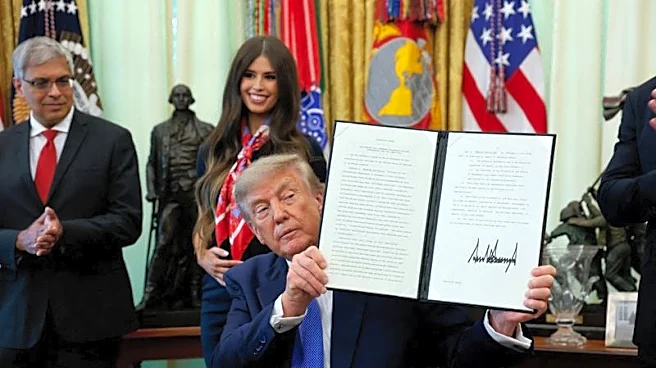
After taking office in January, Trump signed an executive order ending federal funding or support for gender-affirming care for transgender youth, and directing the Justice Department to prioritize investigations into such treatments.
Friday's ruling marked the first time a U.S. appeals court has upheld a subpoena issued by the Trump administration’s Justice Department targeting hospitals and clinics that provide gender-affirming care to minors. Many lower court judges have blocked the demands.
The Justice Department argued in the appeal its subpoena was one “that the Department issues all the time in the health care space — seeking records so it can duly investigate potential federal offenses.”
In his dissent, Paez, an appointee of former President Bill Clinton, said there was “a mountain of evidence that corroborates that DOJ used the threat of criminal investigation to pressure health care providers to stop offering gender-affirming care.”
The court did not order QueerDoc to produce the documents sought by the subpoena. It sent the case back to U.S. District Judge Jamal Whitehead in Seattle to rule on QueerDoc's arguments that the subpoena is overbroad and would impose an undue burden on the small clinic.
(Reporting by Mike Scarcella; Editing by David Bario and Rod Nickel)