




By Dmitry Antonov and Gleb Bryanski
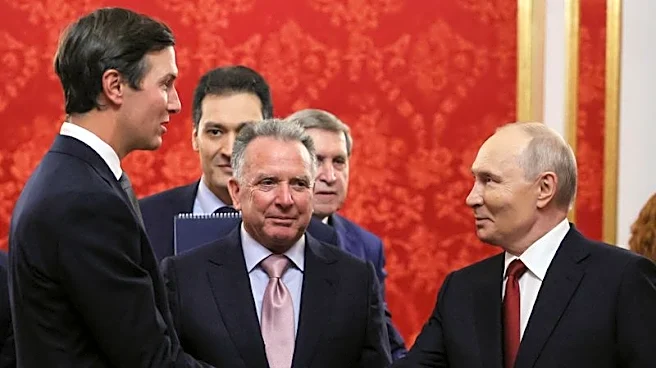
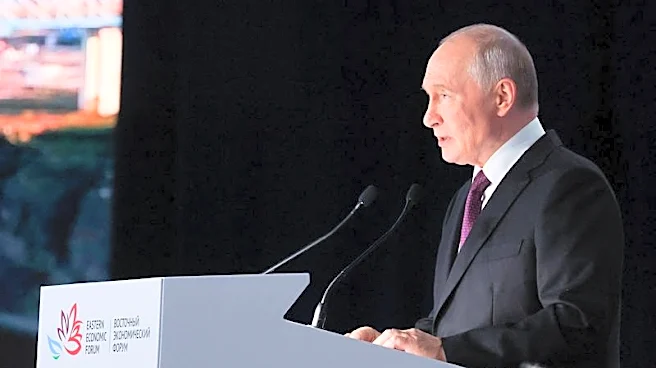
MOSCOW, Sept 5 (Reuters) - Russian President Vladimir Putin held more than three hours of "highly useful" talks on Saturday with two U.S. envoys seeking a deal to end the Ukraine war, a Kremlin aide said, but he gave no indication of any breakthrough.
The aide, Yuri Ushakov, said Americans Steve Witkoff and Jared Kushner "outlined a number of ideas regarding possible avenues for a settlement." Ushakov did not say what these ideas were.
He said Putin had told the pair
that Russia was making "real progress" on the battlefield, was confident of achieving its goals, and stressed the necessity of addressing "all the root causes of the conflict."
All these are statements that Moscow has made repeatedly in the course of the war, which has dragged on for more than four and a half years and has seen both sides intensify long-range air strikes in recent weeks while the front lines remain largely static.
There was no comment from Witkoff and Kushner, who were visiting Moscow for the first time since January on behalf of President Donald Trump. They flew out of Moscow soon after the talks and are due to meet Ukrainian President Volodymyr Zelenskiy in Kyiv on Sunday.
"The talks went beyond a mere exchange of views on resolving the Ukrainian crisis. Economic issues and potential major, mutually beneficial Russian-American projects were discussed in some detail," Ushakov said.
"Overall, one can say that the negotiations were timely and highly useful for both sides."
Putin's investment envoy Kirill Dmitriev posted afterwards on X that it had been an "important peacemaking visit." He and Ushakov were both present at the meeting.
PUTIN PRAISES TRUMP'S EFFORTS
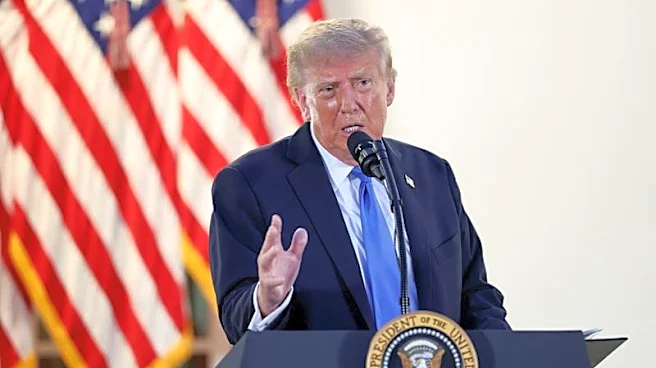
In televised remarks at the start of the talks, Putin praised Trump's efforts to end the war. Trump suggested on Friday the U.S. had a fresh proposal aimed at ending the war, but did not elaborate.
"Understanding that he is entering a difficult situation, he nevertheless does not stop his efforts to help bring about a settlement and to make his contribution to resolving the Russian-Ukrainian conflict," Putin said.
He promised to ensure the safety of the U.S. negotiators. Kremlin spokesman Dmitry Peskov said earlier that Putin had ordered the Russian military not to strike Kyiv for three days because of their trip.
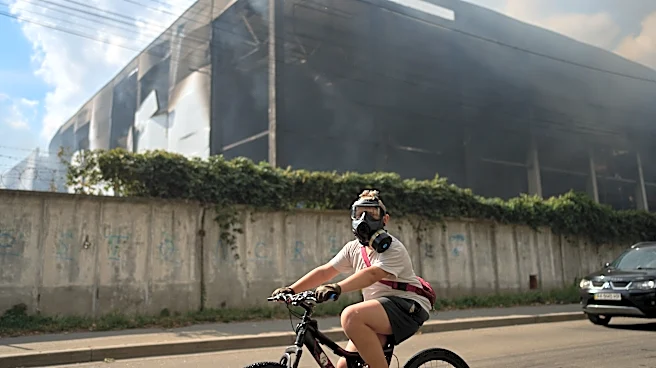
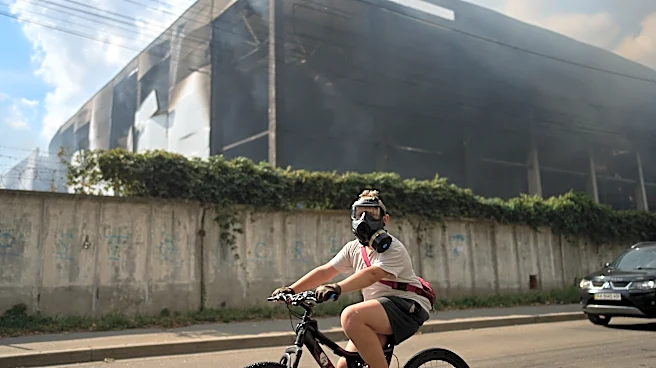
Over the previous 10 days, Russia had pounded the Ukrainian capital day and night with missiles and drones, including an attack on Friday on the headquarters of the SBU security service.
Ukraine has inflicted damaging hits throughout the summer on Russian refineries, oil terminals and warehouses of online retailer Wildberries, in a bid to raise the cost to Moscow of continuing the war. Zelenskiy said Kyiv was prepared to refrain from strikes on Moscow through Monday.
A VAST GULF IN POSITIONS
A vast gulf remains between Russia and Ukraine on how to end the war, the deadliest in Europe since World War Two.
A source close to the Kremlin, speaking before reports emerged of the trip by Trump's envoys, said Putin was still intent on capturing more territory.
"There is no chance of reaching an agreement regarding the front line until Putin finishes securing the remaining part of the Donetsk region," the source told Reuters, adding that the Kremlin leader was confident — based on reports from his commanders — that this would happen by the end of the year.
Western military analysts see such a possibility as remote, given Moscow's slow rate of progress. Ukraine has refused to surrender land it has successfully defended at huge cost, and rejects such terms as tantamount to surrender.
The Kremlin said on Friday the position that Putin set out in a speech two years ago — that Ukraine should cede the entire territory of four regions claimed by Russia and abandon its plan to join NATO — was "unshakeable."
Since the last U.S.-mediated peace talks between Russia and Ukraine in February, each side has intensified long-range air attacks deep inside the other's territory, while the war at sea has also escalated.
(Additional reporting by Marina Bobrova, Anton Kolodyazhnyy and Vladimir Soldatkin in Moscow, Darya Korsunskaya in London, Olena Harmash in Kyiv; Writing by Mark Trevelyan; Editing by Andrea Ricci)