







By Karen Brettell
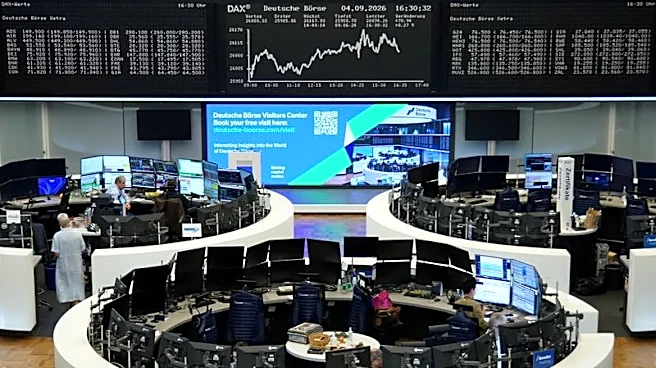
NEW YORK, Sept 22 (Reuters) - The tech-heavy Nasdaq hit an intraday record high for the first time since June on Tuesday, while oil prices hit two-week lows as supply showed signs of improving in the Middle East.
Tech stocks reclaimed the spotlight as AI demand showed no signs of abating and corporate earnings stayed resilient.
"We maintain our constructive outlook on the AI trade, supported by rising adoption and monetization, as well as growing capital spending," said Ulrike Hoffmann-Burchardi,
CIO Americas and Global Head of Equities at UBS’ Chief Investment Office.
The Nasdaq Composite rose 0.40%, to 27,231.59 while the S&P 500 was roughly flat and the Dow Jones Industrial Average fell 0.40%.
MSCI's gauge of stocks across the globe rose 0.92 points, or 0.08%, to 1,153.33. The pan-European STOXX 600 index rose 0.2%.
Falling oil prices added to risk appetite after a senior Iranian official told Reuters on Tuesday that Tehran can reopen the Strait of Hormuz within seven days if the United States eases military pressure and lifts its blockade on Iranian ports.
Three sources briefed on the matter also told Reuters that Saudi Arabia has restarted operations at its East-West Pipeline and could resume exports from the Red Sea port of Yanbu later on Tuesday.
U.S. crude was last down 0.47% at $95.33 a barrel and Brent fell to $99.92 per barrel, down 0.43% on the day.
TRUMP-XI MEETING AWAITED
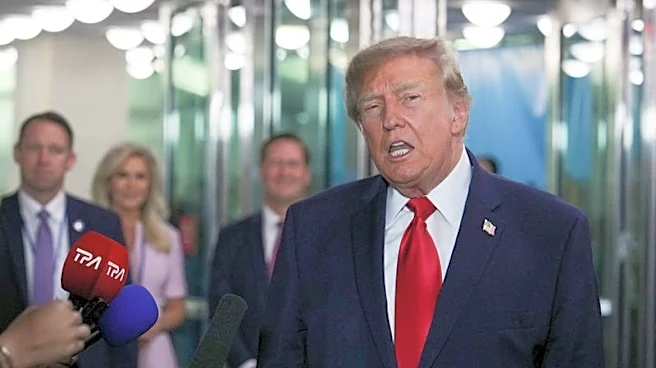
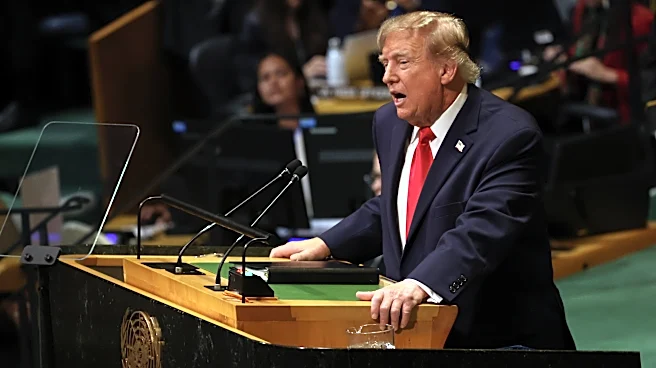
Attention is turning to a meeting between US President Donald Trump and Chinese President Xi Jinping later this week, with investors watching for any indications that the leaders of the world's two largest economies can prevent a further deterioration in relations.
Xi arrives in Washington on Wednesday for the first time in more than a decade, helping fuel optimism that a trade truce between the two countries will be extended and there could be potential cooperation over AI.
"For markets, the big question is what’s going to happen when the current one-year trade truce expires in November, and whilst the general tone remains positive, there still isn’t an agreement yet," Deutsche Bank strategist Jim Reid said.
RATE HIKES ON THE WAY
German and US bond yields fell in line with oil. That said, investors are pricing in another round of rate hikes from major central banks, which could limit the decline in debt yields.
US 10-year Treasury yields were down 0.17 basis points on the day at 4.961%.
The dollar gained 0.17% on the euro to $1.1441 and was down 0.03% at 157.33 Japanese yen.
The Bank of Japan raised rates last week to a 31-year high but two dissenting votes and a lack of explicit hawkish guidance disappointed investors, which has left the yen vulnerable and kept traders on alert for signs of official intervention.
"FX intervention remains a blunt tool to prop up currencies, and without a forceful monetary policy response it will be difficult for Japanese authorities to rein in the selloff in the yen," said Matthew Ryan, head of market strategy at Ebury.
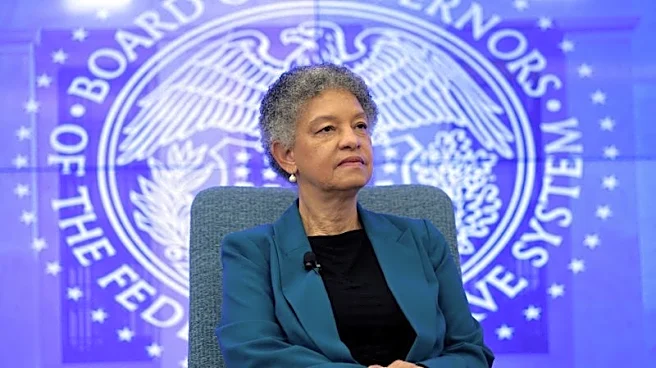
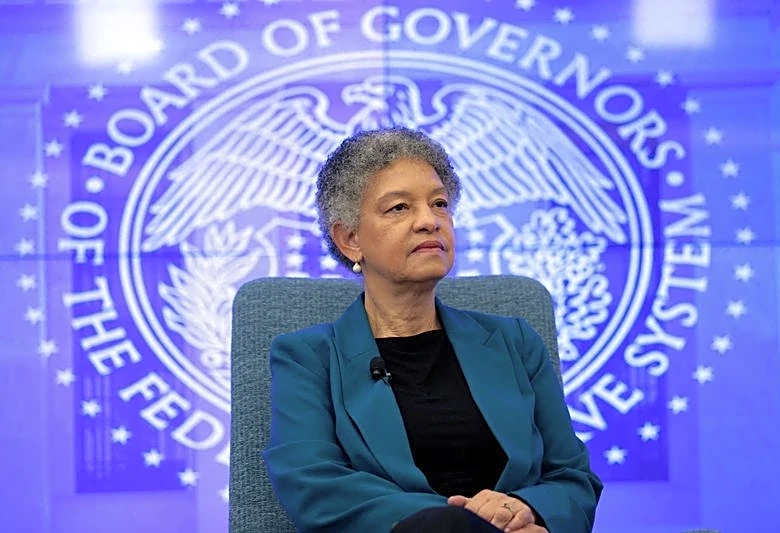
The Federal Reserve, by contrast, raised rates last week and warned its fight against inflation was not over, keeping the door open to further tightening.
(Reporting Karen Brettell, Amanda Cooper and Ankur Banerjee; Editing by Peter Graff, Andrew Cawthorne and Alexander Smith)