




By Samuel Indyk and Stella Qiu
LONDON, Oct 2 (Reuters) - Global shares rose on Friday as wild volatility in bond and currency markets eased and oil prices fell ahead of key US jobs data that could shape expectations for the Federal Reserve's next policy move.
In Europe, longer-dated sovereign bond prices rose on the day, although those in more indebted countries, like France and Italy, lagged the gains in Germany, reflecting growing investor demand for protection against rising fiscal risks.
The German
10-year yield, the euro zone benchmark, was down 10 basis points on Friday, as investors preferred the relative safety of German bonds compared to their euro zone counterparts. Bond yields move inversely with prices.
In France, the 10-year yield was little changed at 4.939%, pushing the gap between the German and French 10-year yields to over 150 bps, the widest level since the euro zone debt crisis in 2011.
"I wouldn't call it a crisis yet, but it looks like it has the potential to be one," said George Lagarias, chief economist at Forvis Mazars.
"If it goes on for a couple more weeks then we'll be talking about a crisis in the bond market."
Global bond markets have been under a sustained selloff in recent weeks as the US-Israeli war with Iran pushed up energy prices again, complicating the inflation outlook and further straining already stretched public finances.
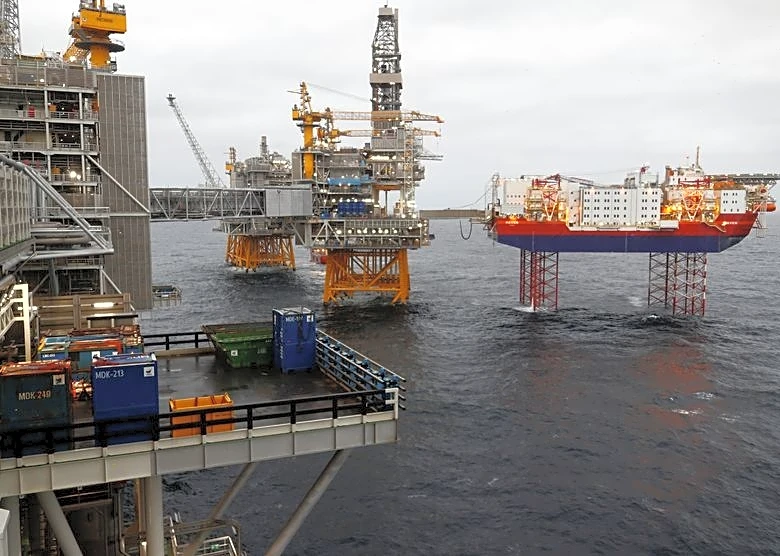
But oil prices fell on Friday, providing some relief for stocks and bonds, as the energy market refocused on signs of recovering supplies from the Middle East and EU countries discussed a proposal to release additional diesel stockpiles.
US West Texas Intermediate crude futures fell 3.8% to $89.34 a barrel. Brent crude futures were down 2.5% to below $100 a barrel, while European gasoil futures, a benchmark for diesel prices, fell about 5% to $1,382.75 a metric ton.
EYES ON PAYROLLS
Much was now riding on US labour market data due later in the day. Forecasts are centred on a gain of 90,000 nonfarm payrolls in September, while the unemployment rate is expected to be steady at 4.1%.
A hot print could revive bets on a second rate rise from the Federal Reserve this month, currently priced at just 25% after two top policymakers said this week they wanted more data before deciding what to do next with interest rates. A move in December is still fully priced in.
"With the Fed now myopically focused on inflation and price pressures, a hot wages print could prove particularly influential for US rates, Treasuries and the USD," said Chris Weston, head of research at Pepperstone.
"Risk assets have so far absorbed the rise in US real yields, and long-end nominal Treasury yields remarkably well. However, a sustained increase in term premium could be far more problematic."
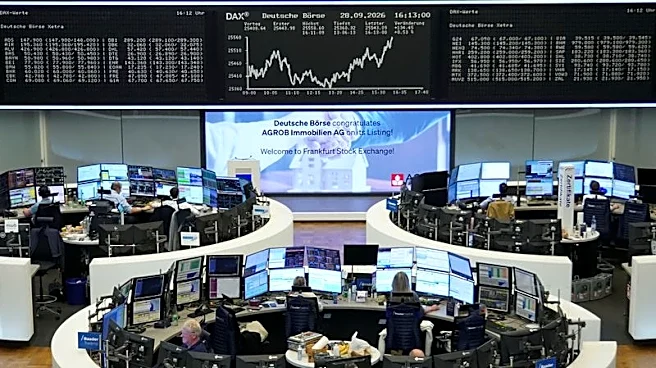
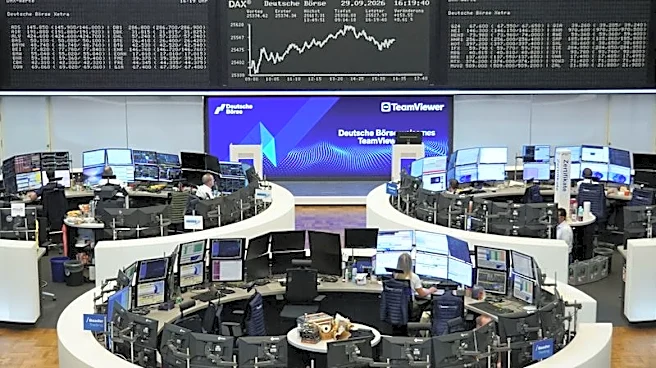
European shares rose on Friday, with the pan-regional STOXX 600 index up 0.8%, although it is still heading for a weekly drop of about 1%. Nasdaq futures were up 0.7% and S&P 500 futures gained 0.5%.
In Asia, MSCI's broadest index of Asia-Pacific shares outside Japan fell 0.1% and settled for a weekly decline of 1.3%. Japan's Nikkei dropped 0.9% but gained almost 3% for the week.
Mainland Chinese markets are closed through next Wednesday for a public holiday. Hong Kong's Hang Seng index slid 2.7% on Friday after a holiday.
DOLLAR REIGNS
The rout in European bonds may have also helped drive safe-haven flows back to US Treasuries, the dollar, yen and the Swiss franc.
The euro was nursing losses at $1.1231, having weakened 0.8% on Thursday to hit the lowest level since May 2025. The safe-haven Swiss franc was up against both the dollar and euro.
The US dollar index, which gauges the currency against six peers including the euro and franc, was at 102.03, slightly stronger on the day, having rallied 0.6% the day before to hit the highest level since April 2025. It is set for a third straight week of gains, up 1%.
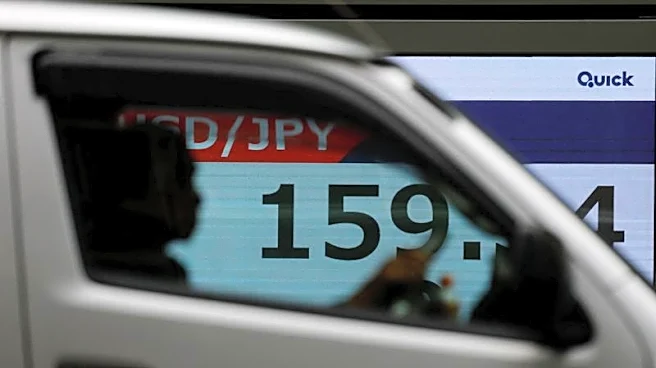
The yen firmed 0.2% to 157.61 per dollar after data showed underlying inflation in Japan's capital accelerated to an annual rate of 2.7% in September, bolstering the case for further interest rate hikes.
(Reporting by Samuel Indyk and Stella Qiu; Editing by Kevin Buckland, Jamie Freed and Emelia Sithole-Matarise)