





By Muayad Hameed and Tala Ramadan
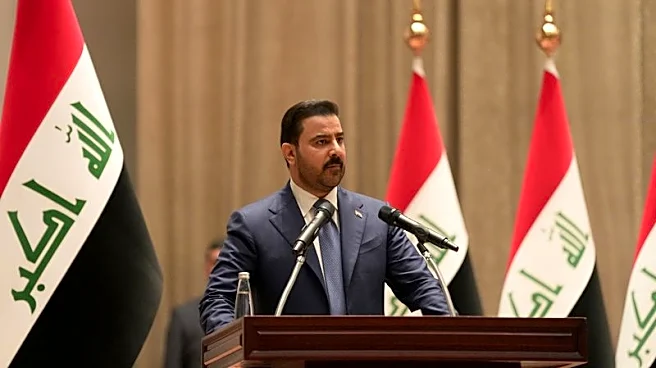
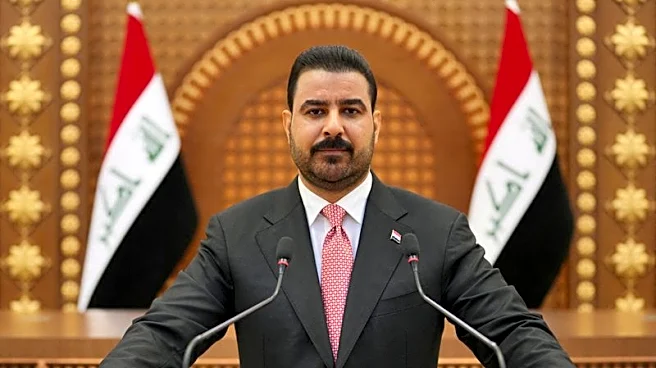
BAGHDAD, Nov 25 (Reuters) - Iraq's highest court ruled on Wednesday that Baghdad can deploy federal forces along all international borders, including in the semi-autonomous Kurdistan region, backing Prime Minister Ali al-Zaidi's push to assert more central control.
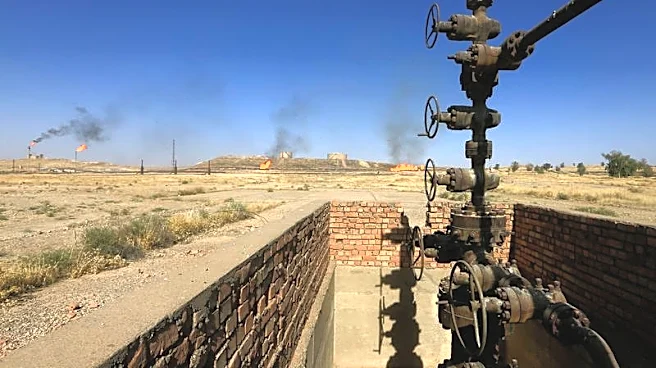
Zaidi ordered federal authorities on Tuesday to take over border crossings run by the Kurdistan Regional Government, and has also demanded authority over oil fields controlled by Kurdish security forces,
following a probe into smuggling at the state-run North Oil Company.
The moves escalate tensions with the Kurdish authorities, and have been seen as part of a two-pronged pitch to assert central government authority, just a week after he also took on Kataib Hezbollah, a powerful Shi'ite militia aligned with Iran.
The court decision, reported by Iraqi state TV, appears to be a victory for Zaidi, a 41-year-old multimillionaire businessman and political novice who came to power in a compromise just six months ago.
But Iraqi political analysts say it may yet prove difficult to implement moves that challenge the interests of factions that have accrued substantial power over decades of ethnic and sectarian warfare.
KURDISTAN REJECTS 'THREATS'
The Federal Supreme Court ruled that federal authorities could oversee agencies operating at all border crossings, including those in the Kurdistan region, though they must coordinate with regional and provincial governments on customs administration, state television reported.
The court said the federal oil ministry can also oversee and audit oil and gas fields, while Baghdad shares responsibility for managing the oil and gas they produce with regional governments and producing provinces, state TV reported.
Zaidi has directed the federal oil ministry to manage oil fields under Kurdish security control in Kirkuk, Nineveh, Diyala and Salahuddin provinces, all of which are outside the Kurdistan region but have seen areas come under Kurdish forces' authority.
The Kurdistan Regional Government on Wednesday rejected what it called "military language and threats" in a statement from the spokesman for the Iraqi military announcing the new measures. It said it was working with federal authorities to combat corruption and called for an end to oil smuggling across Iraq, one of the world's leading oil producers and a US ally.
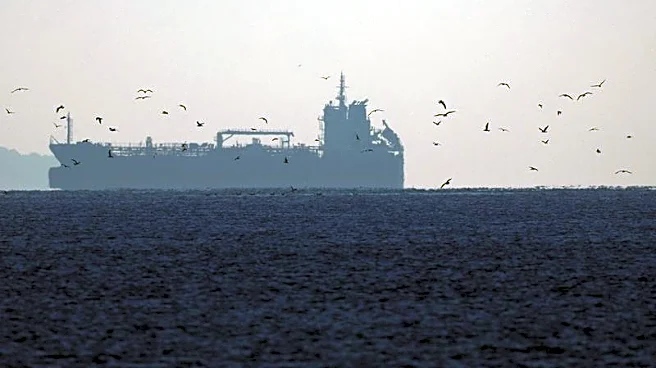
Iraq's state news agency, citing what it said was an Iraqi government intelligence report, said oil belonging to the state-owned North Oil Company was being diverted and smuggled from Kirkuk, as well as from Sulaymaniyah inside Kurdistan, to Iran and onward to Afghanistan.
Oil smuggling allegations were also behind Zaidi's confrontation last week with the Iran-backed Shi'ite armed group Kataib Hezbollah.
He ordered troops to stand by to enter the city of Jurf al-Sakhar in the Euphrates valley south of Baghdad, a Kataib stronghold. The group initially responded with defiance but allowed soldiers into the city under a compromise brokered by Shi'ite politicians.
(Reporting by Tala Ramadan and Muayad Hameed; Writing by Michael Georgy, Editing by Toby Chopra, William Maclean, Peter Graff)