




Nov 27 (Reuters) - As the final month of 2026 approaches, a raft of risk events lie ahead for markets, from major central bank decisions to potentially significant elections, and all while trying to make sense of the fallout from the Nvidia affair.
Here's what's on the radar in the coming week for global markets from Satoshi Sugiyama in Tokyo; Lewis Krauskopf in New York; Jesus Aguado in Madrid and Amanda Cooper, Dhara Ranasinghe and Karin Strohecker in London.
1/ CASHING IN THE CHIPS
As if war in the
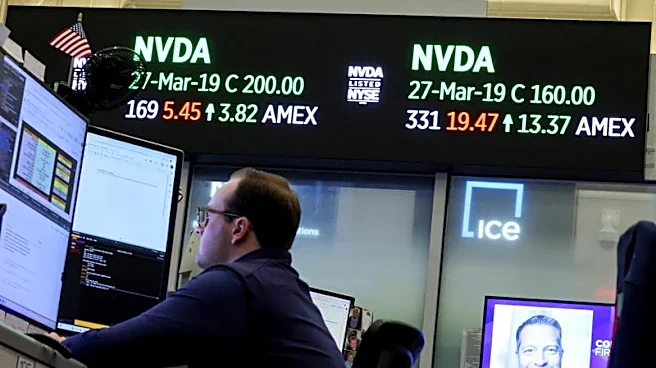
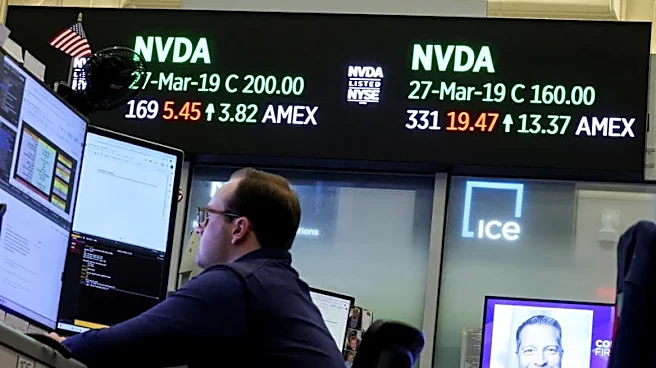
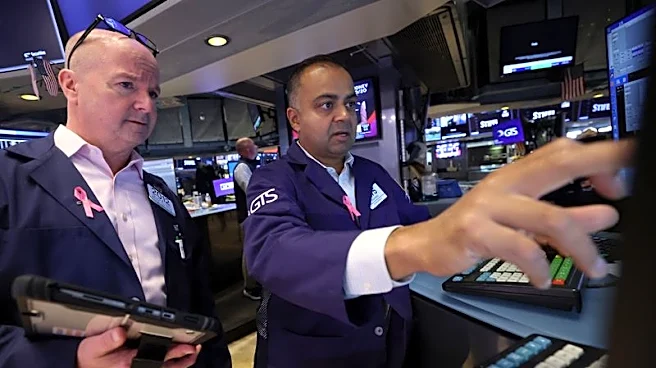
Middle East, flaring inflation and nagging doubt about the financial plumbing of the AI trade weren't enough to rattle investors, they also have to now contend with the drama at Nvidia and a resurfacing of trade tariffs.
Volatility has jumped for stocks and bonds and confidence is fragile. AI lab Anthropic's much-vaunted IPO proved a flop. Nvidia shares have whipsawed, jumping 31% in a day when the board, under pressure from the White House, reinstated Jensen Huang as CEO before giving up nearly half that gain over the next two days.
S&P has put Nvidia, which is at the heart of the AI world's circular financing, on downgrade watch. Huang testifies to the Senate banking committee on December 3, while chipmaker Marvell Technology reports results in the week ahead.
Investors may struggle to find much long-lasting comfort from either event.
2/ JOBS JOLT
The monthly US labour market report highlights the coming week's economic data with implications for interest rate hikes squarely in focus for investors.
Friday's report is expected to show employment for November rose by 90,000 jobs, according to economists polled by Reuters. Nonfarm payrolls soared by 165,000 in October, blowing past economists' expectations.
That strong labour market report combined with consistently above-target inflation data has solidified expectations that the Fed will raise rates at its December 8-9 meeting. Further data showing an increasingly hot economy could influence the extent of the Fed's hawkish outlook, such as whether it raises rates this month by a quarter percentage point or a more aggressive half point, or the suggestion of more rate hikes in 2027.
Other economic reports next week centre on manufacturing and services activity, private payrolls and consumer sentiment.
3/ SPAIN VOTES
Spanish voters hit the polls this Sunday in a snap election called by Socialist Prime Minister Pedro Sanchez to harness momentum from housing protests amid an affordability crisis.
But his party has trailed in opinion polls. The conservative People's Party (PP) and far-right Vox are expected to win a majority in parliament.
While Spain's economy has done well, housing and inflation are key voter concerns.
A PP win that raises the prospect of tax cuts could focus market attention on the risks to fiscal loosening, although Spain is less of a worry than France, or Italy, on that front.
Socialists retaining power cannot be ruled out and an inconclusive result risks fuelling uncertainty and putting pressure on the euro, which has been hurt by recent turmoil in France.
Europe is also watching ahead of a big election year where a shift to the right is anticipated.
4/ HIKE COMING DOWN THE PIKE
The Reserve Bank of India kicks off a busy December for global central banks, with a likely quarter-point increase to 5.75% when its three-day monetary policy meeting concludes on December 4.
Most major central banks, including the Federal Reserve, European Central Bank and Bank of Japan, are expected to raise rates in the coming weeks.
It would be the RBI's first back-to-back rate hike since its 2022-23 tightening cycle. The central bank is under pressure to rein in inflation as the war in the Middle East and volatile weather conditions push up prices.
Retail inflation breached the central bank's 6% threshold in October for the first time in two years, reinforcing expectations of an additional rate hike to 6% in February.
Analysts polled by Reuters said the RBI has room to tighten policy further, given Indian economic growth is likely to remain strong.
5/ PUMP IT UP?
OPEC+ ministers are meeting in Vienna on Sunday — and they face some big and thorny questions.
They must first agree on how much each member can sustainably produce, following the group's first ever review of production capacity. Then comes the bigger question: how much should they actually pump in 2027?
It is no easy call when the market outlook depends entirely on how fast the Strait of Hormuz reopens to commercial traffic, something OPEC+ has little control over.
For now, the group is expected to keep its oil output targets unchanged for at least the first quarter of 2027.
But with oil prices caught between ample supply and threats to physical flows from the Middle East and Ukrainian attacks on Russian energy infrastructure, setting quotas could be messy — particularly with disagreements between OPEC+ members.
(Graphics by Prinz Magtulis, Compiled by Amanda Cooper, Editing by William Maclean)