


By Ernest Scheyder
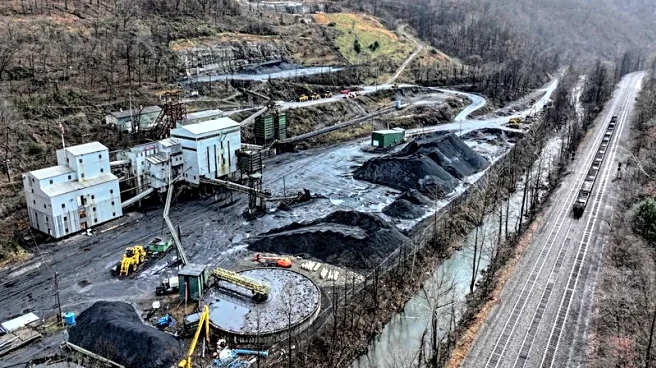
Jan 15 (Reuters) - A bipartisan group of U.S. lawmakers on Thursday introduced a bill to create a $2.5 billion stockpile of critical minerals, a move aimed at stabilizing market prices and encouraging domestic mining and refining.
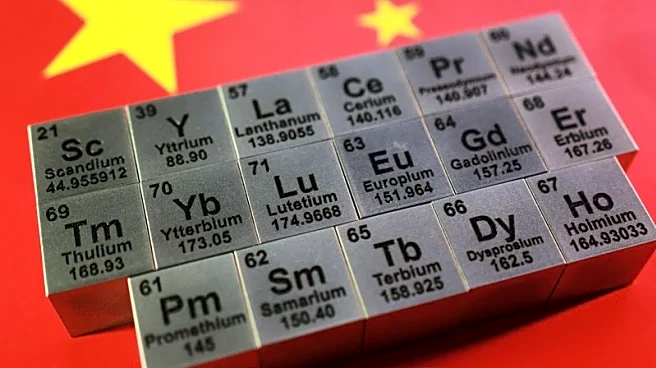
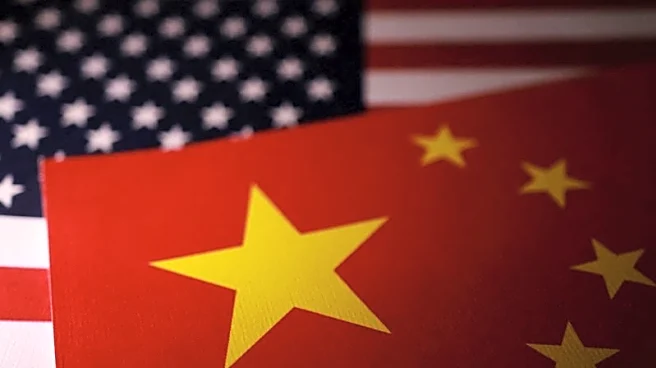
The bill marks Washington's latest attempt to offset what policymakers view as Chinese manipulation of prices for lithium, nickel, rare earths and other critical minerals - vital for items from electric vehicles to high-tech weaponry - that has stymied
American mining companies for years.
A China-generated glut of lithium, for example, led North Carolina-based Albemarle to pause U.S. expansion plans in 2024. The Pentagon became the largest shareholder in Nevada-based rare earths company MP Materials in July amid intensifying Chinese competition.
The 68-page bill says China has moved to "weaponize its influence over prices and volumes in the contest for access to critical minerals."
BILL AIMS TO 'INSULATE U.S. FROM FOREIGN THREATS'
China has rejected assertions that it manipulates the market for critical minerals, saying in November it is committed to "upholding the security and stability of global production and supply chains."
To become law, the measure must pass the House of Representatives and the Senate and be signed by President Donald Trump.
The bill would create a Strategic Resilience Reserve with a seven-person board, modeled on the Federal Reserve's governance structure, which would oversee the fund.
Members, appointed by the president and confirmed by the Senate, would be tasked with buying minerals considered critical by U.S. agencies and stockpiling them at warehouses across the country. The board would need the technical expertise to ensure the minerals are stored properly. Certain lithium derivatives, for example, emit hydrogen when exposed to water.
The bill prioritizes recycled material, but minerals extracted from mines would be eligible. Allied countries would be able to join the reserve if they contributed at least $100 million.
Minerals could be sold for private-industry or defense purposes. Any profit would be used to buy more minerals and keep the stockpile active in perpetuity.
"Providing targeted investments and stockpiling key inputs will help insulate the U.S. from foreign threats and will provide a significant - and cost effective - boost to the U.S. economy," said Senator Jeanne Shaheen, a New Hampshire Democrat and ranking member of the Senate Foreign Relations Committee.
Senator Todd Young, an Indiana Republican, co-sponsored the legislation. Representative Rob Wittman, a Virginia Republican, introduced the same measure in the House.
The reserve's board would have flexibility over how to buy minerals, according to Senate aides. It could, for example, agree to pay twice the existing market price for rare earths - a market dominated by China - if such purchases supported U.S. mines.
Many niche-but-essential minerals on which Beijing has imposed export controls are not traded or lightly traded, sparking a push for minerals prices not tied to Chinese production.
"It's certainly possible this reserve could create a Western price for certain critical minerals," a Senate aide said.
Group of Seven finance ministers this week discussed floors for minerals prices. Trump on Wednesday said U.S. over-reliance on other nations for critical minerals is a national security threat.
Australia is also developing its own critical minerals reserve.
(Reporting by Ernest Scheyder; Additional reporting by Patricia Zengerle; Editing by William Mallard)