





By Sofia Menchu
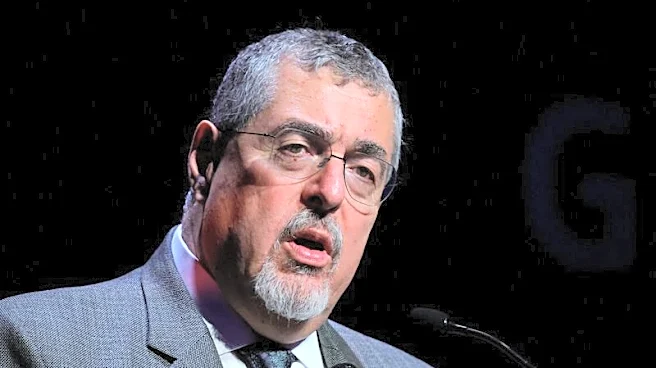
GUATEMALA CITY, Aug 20 (Reuters) - Guatemala has received around 2,300 Mexicans deported from the U.S. so far in 2026, President Bernardo Arevalo said in an interview aired late on Wednesday, saying they arrived alongside Guatemalans and were quickly transferred back to Mexico.
The rerouting of deported Mexican citizens to third countries marks a new tactic from the Trump administration in its push to deter migration that could risk straining relations with its neighbor.
CBS reported
this week that the Trump administration had been sending Mexicans to Guatemala and Honduras to deter illegal migration to the U.S., despite Mexico's willingness to receive them directly.
"They are arriving in planes of Guatemalan returnees, and what we have done is process them as in transit, in coordination with the Mexican immigration authorities," Arevalo said.
Arevalo said the Mexican migrants stayed for less than 24 hours and were not housed or granted refuge there. Guatemala does not serve as a "safe third country," he said, adding costs were covered by U.S. or Mexican authorities.
Mexico's Foreign Ministry did not immediately respond to a request for comment. The ministry previously told CBS that it rejected the deportation of Mexicans to third countries and had not made any such agreements.
The U.S. State Department did not immediately respond to a request for comment.
Honduras' Foreign Ministry said it had no information on the matter and its Returned Migrants Center told Reuters it had not received deported Mexican citizens.
However, U.S. Spanish-language TV channel Telemundo published an interview on Wednesday with 56-year-old Arturo Trejo from Mexico's Hidalgo state, who said he was among dozens of Mexicans flown to Honduras before being returned to Mexico.
"They didn't tell us anything, just to get on the flight," Trejo told Telemundo.
U.S. President Donald Trump won reelection in 2024 vowing to clamp down on illegal border crossings and mass deport people deemed to be staying in the United States illegally.
Many have been flown out of the U.S. through agreements with third countries that are not their countries of origin.
Several leaders, notably in small Caribbean island states, have said they faced pressure from the U.S. to agree to unpopular deals to receive foreign deportees, while El Salvador and Panama said they received U.S. payment.
(Reporting by Ana Isabel Martinez in Mexico City, Sofia Menchu in Guatemala City and Laura Garcia in Tegucigalpa, Editing by Daina Beth Solomon, Sarah Morland, Rod Nickel)