






By Chris Prentice
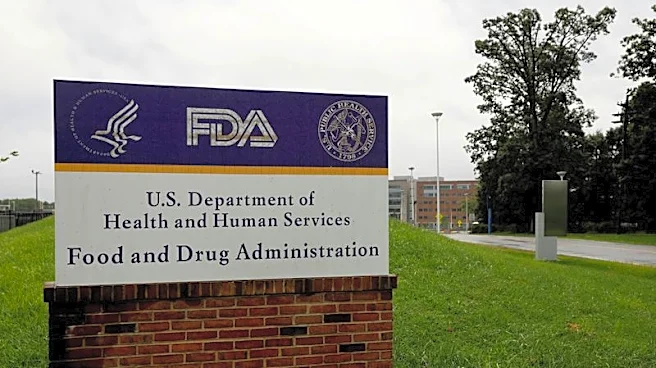
NEW YORK, June 3 (Reuters) - Acting U.S. FDA Commissioner Kyle Diamantas is meeting with rare disease groups on Wednesday, according to groups attending and a government official, as the new chief seeks to repair relations with a sector disappointed by his predecessor.
Representatives for rare disease organizations including Friends of Cancer Research and the Foundation for Angelman Syndrome Therapeutics are pushing Diamantas for greater certainty and support for treatments for small
patient populations, the groups said.
The meeting comes as the acting chief seeks to steady operations and mend fences following Commissioner Marty Makary's resignation last month. Makary had clashed with the White House over issues including vaping products.
Rare disease groups had also grown unhappy with Makary, under whose leadership the agency dealt a series of blows to drugmakers in the space.
The Food and Drug Administration declined to approve Biohaven's experimental treatment for a brain disorder and slapped a serious safety warning on a Sarepta Therapeutics gene therapy, and a top agency official told reporters that UniQure's Huntington's disease treatment was a "failed product."
Diamantas, the agency's food chief, does not have the traditional background for the FDA's top role, but is viewed by some on the inside and outside as a steady hand. He is under consideration to be nominated for the role permanently, along with other candidates, according to two sources familiar with the process.
An official from the U.S. Department of Health and Human Services, of which the FDA is a part, confirmed Wednesday's meeting and said it is part of a broader push to work with "key stakeholder groups across the FDA continuum, most namely our trusted partners in the rare disease community."
Bloomberg Law first reported that a meeting had been planned.
'SIGNIFICANT UNMET NEED'
"Meetings like this demonstrate FDA's continued commitment to address the real challenges facing the rare disease community and to advancing treatments in small-patient populations," Jeff Allen, CEO of Friends of Cancer Research, said in a statement.
He said there were opportunities for novel trial designs and more efficient clinical trials, "which could help accelerate new therapies to address areas of significant unmet need."
A spokesperson for the Foundation for Angelman Syndrome Therapeutics, an advocacy group for patients with a rare neuro-genetic disorder, also confirmed attending the meeting.
For diseases with small patient populations, regulatory clarity is needed to overcome challenges including complex histories and limited options for measuring a treatment's safety and efficacy, the group said.
A coalition of rare disease groups in April pressed President Donald Trump and other top health leaders for greater regulatory clarity amid leadership changes and uncertainty at the FDA.
Rare disease advocacy organizations had success in swaying Trump during his first term to back federal legislation giving terminally ill patients access to experimental treatments. He signed it into law in 2018.
(Reporting by Chris Prentice and Michael Erman in New York and Yasmeen Abutaleb in Washington; Editing by Caroline Humer and Bill Berkrot)