



By Nandita Bose
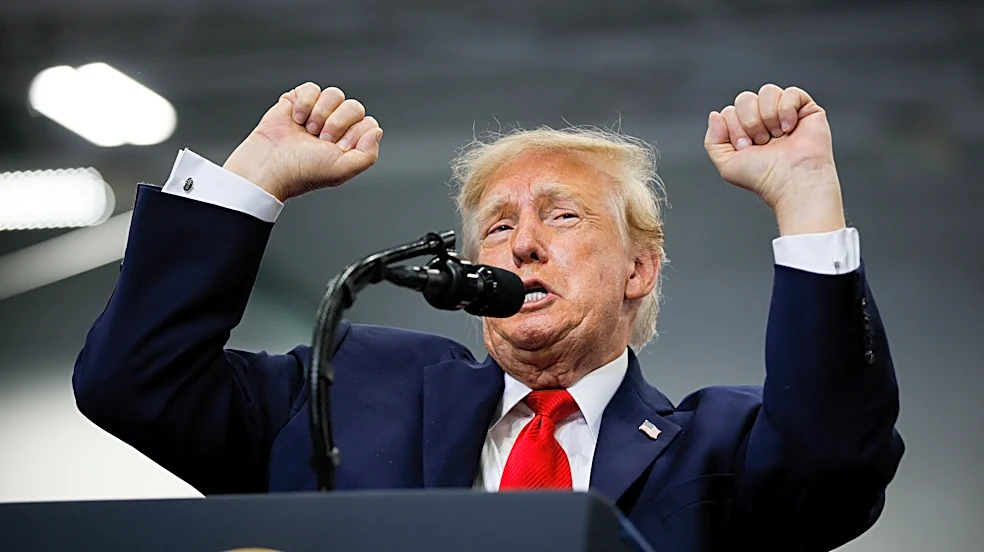
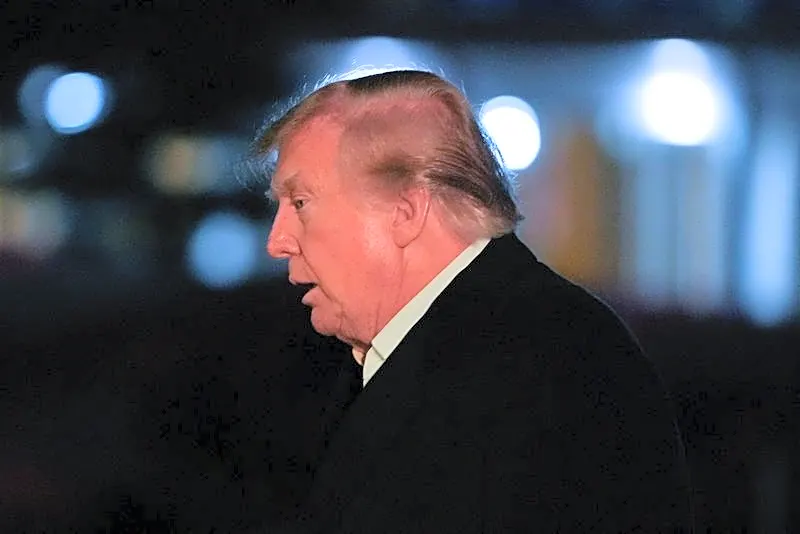
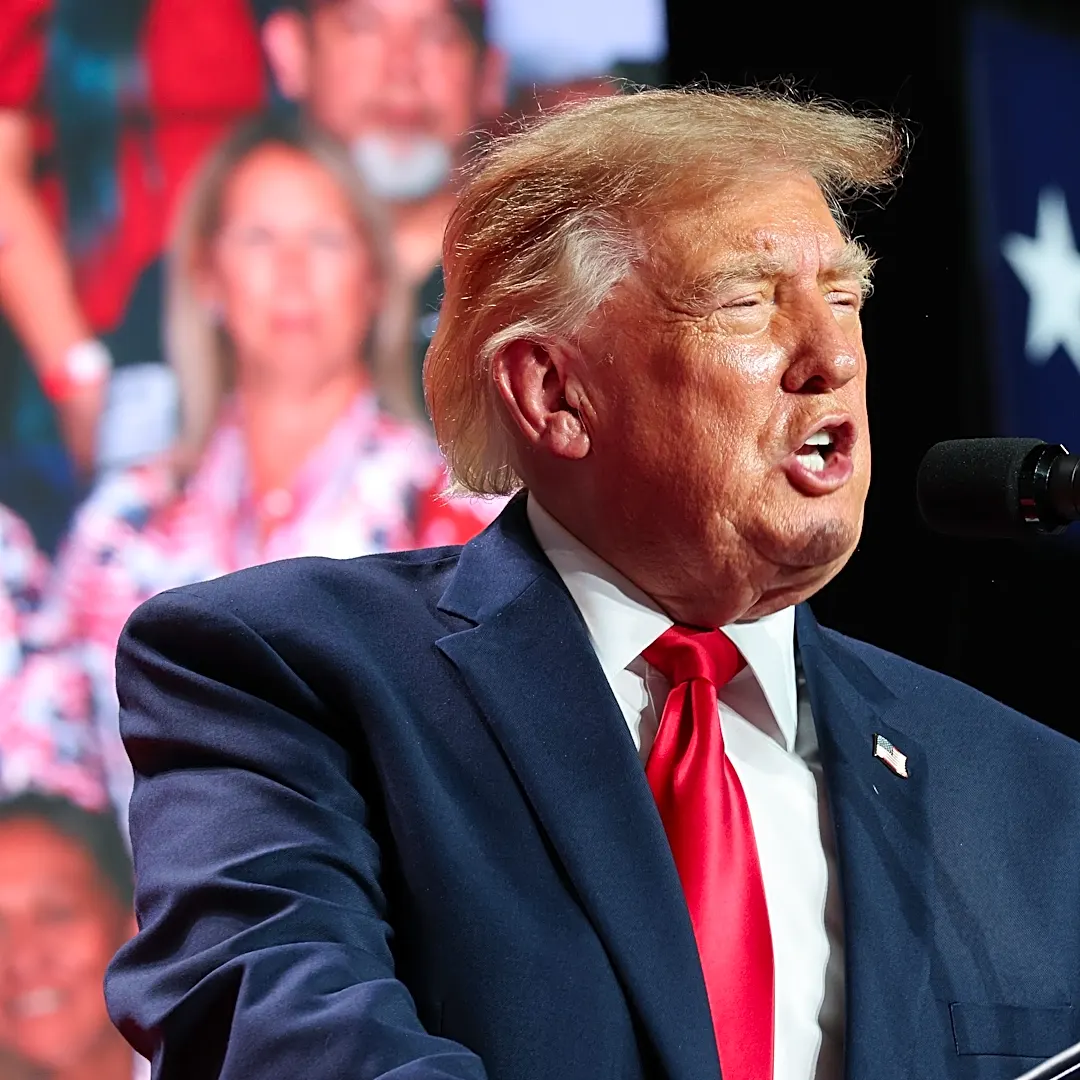
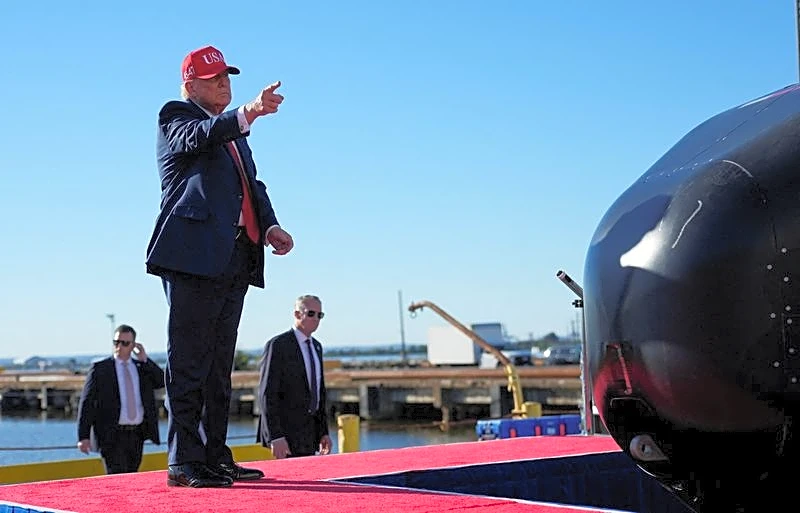
SIOUX CITY, Iowa, Oct 22 (Reuters) - President Donald Trump on Thursday tried to galvanize Republican voters in Iowa, a state he won by double digits two years ago but now faces a tougher battle in the November midterm elections due to dissatisfaction with rising prices and the Iran war.
The Midwestern stop is part of Trump's push through states Republicans usually expect to win, but where polling points to some tight races.
Trump held a rally in Sioux City as Republicans defend a Senate
seat, three House districts and the governor's office, giving Democrats an opening after years of Republican gains.
"Pretend I'm on the ballot, because if you get out, we're going to win big," Trump told the crowd gathered in an airport hangar.
He has spoken repeatedly with confidence about his connection with voters, though his approval rating has fallen and some Republicans Trump is trying to help have broken with him over the Iran war, as higher fuel and grocery prices deepen voters' economic worries.
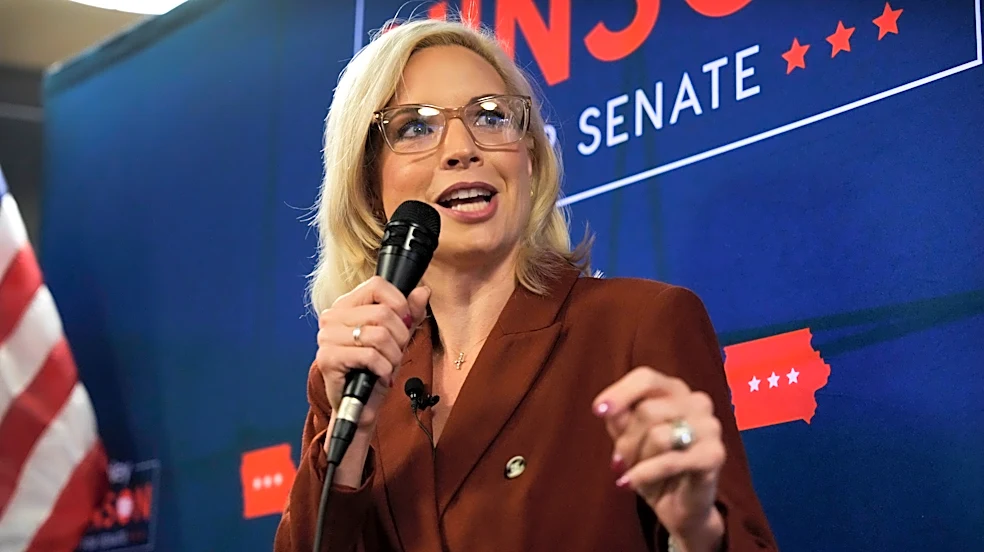
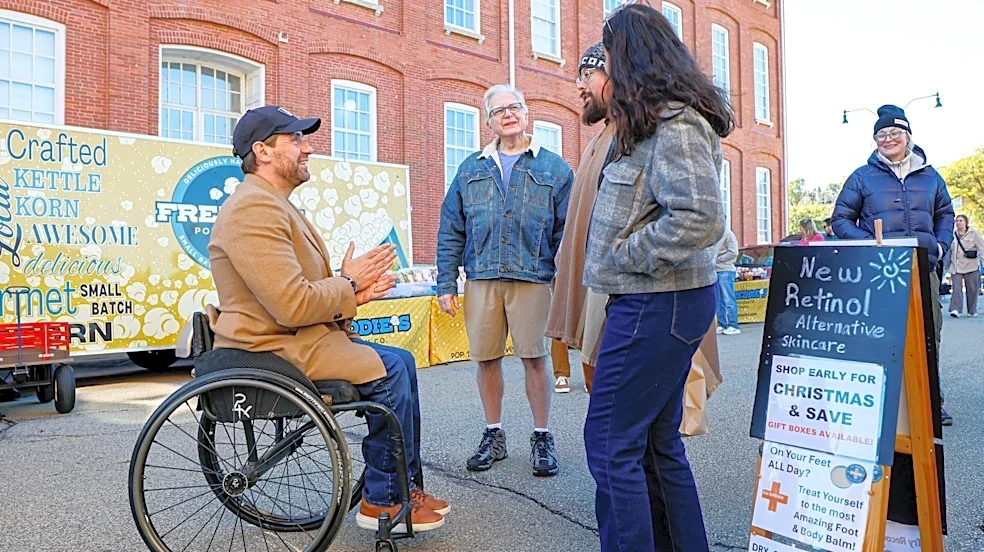
Republican Representative Ashley Hinson, who also addressed the Sioux City rally, has called for an "immediate end" to the war, saying Iowans should not bear higher fuel or grocery prices because of it. She is in a close Senate race against Democratic state Representative Josh Turek.
"If we lose this seat here in Iowa, the Democrats will control the US Senate. Mark my words," she said on Thursday.
Republican Representatives Mariannette Miller-Meeks and Zach Nunn, facing difficult reelection races, joined Democrats last month in voting to limit Trump's war powers in Iran.
"The only thing is the fuel prices that are hurting him more than anything," said rally attendee Ron Sitzmann, 73, a semi-retired parts and service director for an automotive company in Iowa, adding that he thought prices would drop once the conflict ended.
"I just wish it would happen sooner than later because it’s kind of dragging on," said Sitzmann, who remains a strong Trump supporter.
'PREACHING TO THE CHOIR'
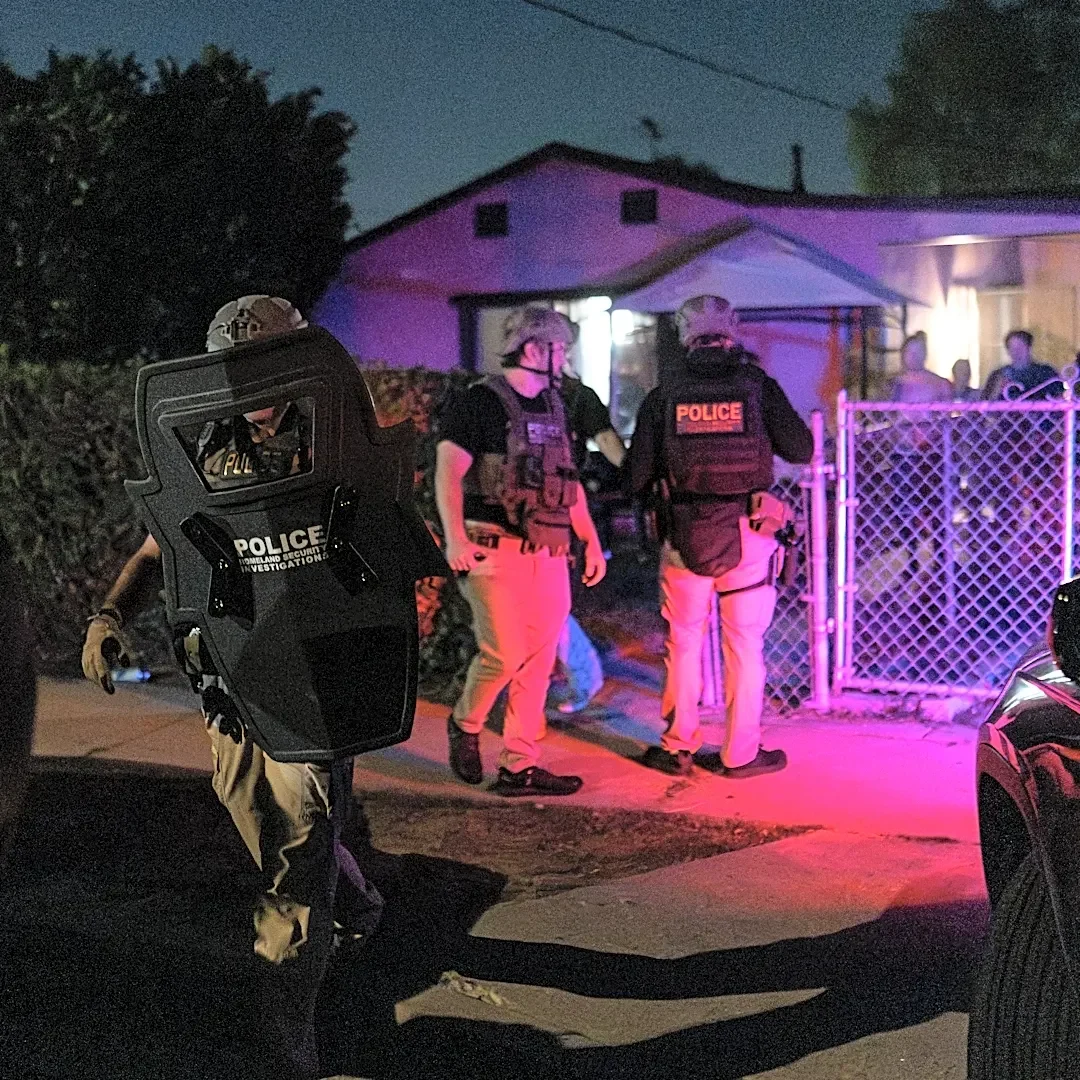
Trump was in Iowa to back his party's candidates but used the platform to attack Democrats from other states, including Somali American Minnesota lawmaker Ilhan Omar, suggesting that she should quit Congress in the wake of a raid by federal agents on her home.
Omar says the government is being weaponized to target her as a political enemy of Trump's, who has been ramping up anti-Somali and anti-Muslim rhetoric in recent weeks.
In the Iowa races, Democrat Rob Sand leads Republican Zach Lahn in recent polling for governor, while Democrats are targeting an open House seat in the state's second congressional district.
Republican losses would be a setback for Trump in a state where his popularity helped the party build a commanding advantage.
The Senate and House races could help decide control of Congress, shaping his ability to advance his agenda during his final two years.
Republicans also worry about rural voters who powered Trump's Iowa victories, with farmers facing higher costs and trade uncertainty.
A Marist poll this month found 42% of likely voters said their finances had worsened over the past year, including more than half of independents. Thirty-five percent viewed their vote as a vote against Trump, versus 21% who saw it as a vote for him.
Trump's Iowa stop follows rallies earlier this week in Kansas for Senator Roger Marshall and South Carolina for Senator Darline Graham, where the Republicans are defending seats.
"We know he’s preaching to the choir," said Harlan Grau, 70, a staunch Trump supporter and pig farmer from Iowa. The rallies encourage supporters to "go out and get them 10 people to go to the polls with us," he added.
Trump's campaign swing comes as his approval rating has fallen to 31%, the lowest of either presidential term, according to a Reuters/Ipsos poll released Monday. The survey found 68% of Americans disapproved of his handling of the economy.
At recent rallies, his economic message has largely avoided the financial pressures facing many Americans. The Iran war has driven up gas prices, compounding broader cost-of-living concerns, while Trump has repeatedly promised prices will fall when the conflict ends.
Behind the scenes, Trump has questioned campaign spending, criticized redistricting efforts and second-guessed candidate choices, according to people familiar with the matter.
White House spokesman Davis Ingle rejected the people's characterizations, saying they were "armchair experts peddling their baseless speculation." Publicly, Trump has noted the tendency of a president's party to lose seats in midterm elections.
(Writing by Nandita Bose and Costas Pitas; Editing by Colleen Jenkins and Lincoln Feast.)