



By Yoruk Bahceli and Stefano Rebaudo
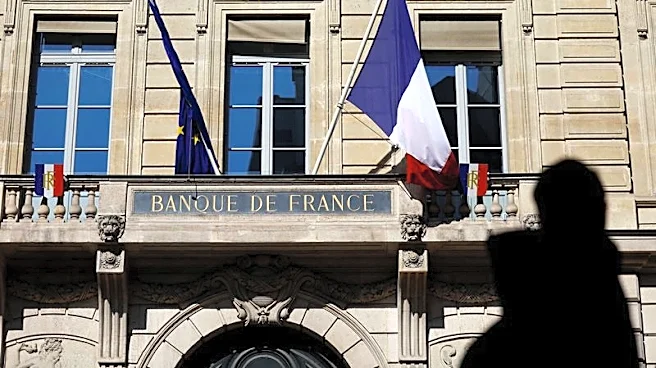
LONDON, April 24 (Reuters) - The European Central Bank meets next Thursday, with an Iran war ceasefire easing the pressure on it for an immediate interest rate hike. But with the status of peace talks unclear and no sign of energy flows through the Strait of Hormuz resuming soon, traders still anticipate rate hikes later this year.
Here are five key questions for markets:
1/ What will the ECB do?
Most likely hold rates at 2%, a sea change from traders' bets on a hike
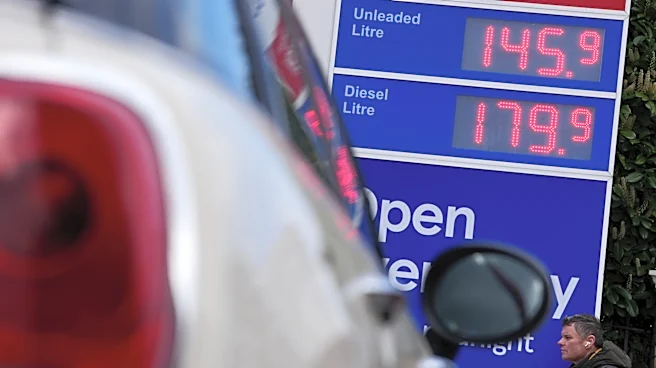
just a few weeks ago when oil surged to near $120 -- before a ceasefire pushed prices back down a little. That has eased the worst inflationary fears for policymakers, who have played down the chance of an immediate rate hike.
But they'll no doubt signal they're keeping their options open for the future. Oil, trading around $100, remains above pre-war levels.
How the ECB's assessment of the outlook has shifted since March is also in focus.
"The ECB can afford to sit tight at the April meeting, collect more evidence, and decide whether it would be appropriate to lean against this shock come the June meeting," said Deutsche Bank's chief European economist, Mark Wall.
2/ Has the ceasefire moved the dial for the ECB?
Yes, near-term.
The pullback in oil prices has moved the economic outlook closer to the ECB's March baseline, which sees inflation peaking around 3% this quarter.
That and natural gas prices below that scenario mean an adverse scenario, where inflation peaks above 4% in the second half of 2026, hasn't been reached, says ECB chief Christine Lagarde.
Markets have also reduced bets on rate hikes this year.
Even though the ceasefire has improved the outlook, "there are a lot of concerns about how long it will take to ramp up (oil) production and get the flow going again," said Anatoli Annenkov, senior European economist at Societe Generale.
3/ What impact is the war having on the economy?
For now, inflation has risen mainly due to higher energy prices, while slowing business activity already points to weakening growth.
Germany just cut its 2026 and 2027 growth forecasts and raised its inflation estimates due to the war.
It's too early to see a broadening of inflation to the wider economy that would alarm the ECB. Inflation jumped to 2.6% in March but measures excluding food and energy as well as services inflation dropped. April data comes out on Thursday.
Euro zone business activity has contracted in April, with the services sectors hit especially hard. Factories have faced soaring production costs and prices leaving the factory gate have risen at the fastest pace in 37 months.
4/ Why is this energy shock different from 2022?
Its inflationary impact is likely to be more limited in size and scope.
Indicators that provided an early warning of the 2022 inflation spike aren't flashing this time, Citi economists note.
The economy and labour markets are weaker than in 2022, when they were turbocharged by pent-up post-pandemic demand. Inflation was around the ECB's 2% target before the Iran war broke out. In contrast, it was well above target when Russia invaded Ukraine in 2022.
Tight budgets limit the fiscal support governments can provide households and businesses, while monetary policy and financing conditions aren't loose the way they were post-pandemic.
Europe isn't scrambling to replace energy supplies from one of its main suppliers as was the case with Russia. The shock is global, not centered on Europe, and the euro has held its ground, unlike 2022 when its plunge amplified the crisis.
5/ Is the ECB likely to hike rates later in 2026?
Yes. Traders anticipate at least two hikes, most likely starting in June.
It's a close call though given the uncertainty over when flows through the Strait of Hormuz might normalise. Insight Investment sees a coin toss between two hikes versus no moves if oil stays below $100.
Two hikes wouldn't weigh on the economy significantly but would send a signal to wage setters and help contain inflation expectations, analysts said.
"They do need to put up rates a little bit just to make sure that secondary effects don't kick in," said Franklin Templeton's head of European fixed income, David Zahn.
(Reporting by Yoruk Bahceli and Stefano Rebaudo; Editing by Dhara Ranasinghe and Hugh Lawson)