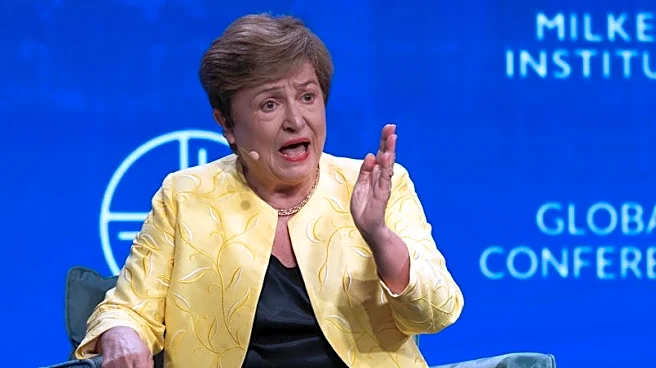







WASHINGTON, June 15 (Reuters) - The world economy is so far weathering the shock of the war in the Middle East despite a surge in commodity prices, higher inflation and strains in financial conditions, with no signs yet of a global slowdown, IMF chief Kristalina Georgieva said Monday.
Georgieva, managing director of the global lender, welcomed Sunday's agreement by the U.S. and Iran to end their war and reopen the Strait of Hormuz, but warned in a new blog that an intensification of the conflict of supply
disruptions posed a "clear risk to global growth."
The IMF will release an updated forecast on July 8. In April, it issued three scenarios for global GDP growth in 2026 and 2027, with its middle "adverse scenario" calling for growth slowing down to 2.5% in 2026 and headline inflation of 5.4%.
Georgieva last month said that adverse scenario was already in play, but her latest comments suggest the fund may revert to its reference scenario, which assumed a short-lived Iran war and saw growth of 3.1% in 2026.
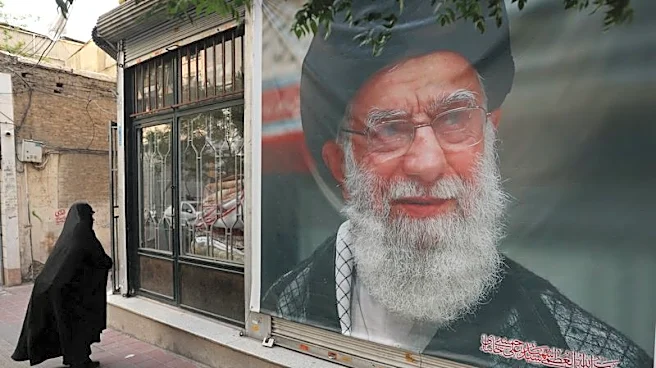
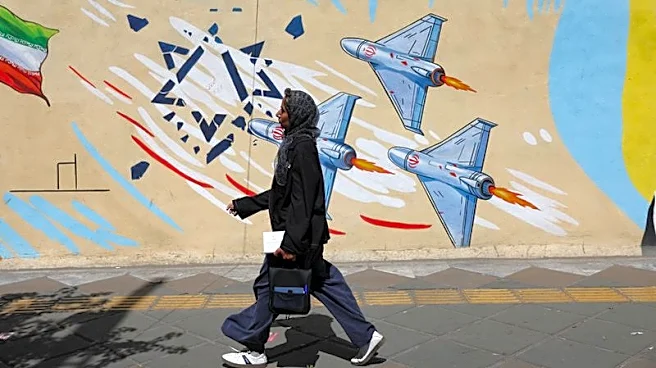
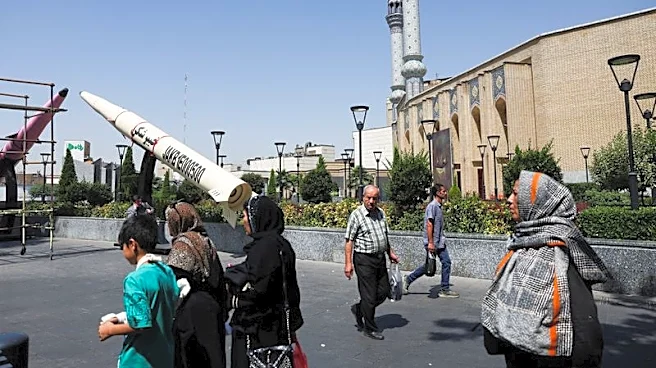
The framework deal marks the biggest breakthrough towards resolving a war that began with joint U.S.-Israeli strikes on Iran in February before escalating into a wider regional conflict that has killed thousands, upended energy markets and stoked recession fears for the global economy.
"More than three months into the war in the Middle East, the global economy appears to be holding up. Commodity prices, inflation and expectations for it, and financial conditions have all been impacted—but not yet in ways that signal a global slowdown," she wrote.
(Reporting by Andrea Shalal; Editing by Chizu Nomiyama)