




By Stephen Culp and Utkarsh Hathi
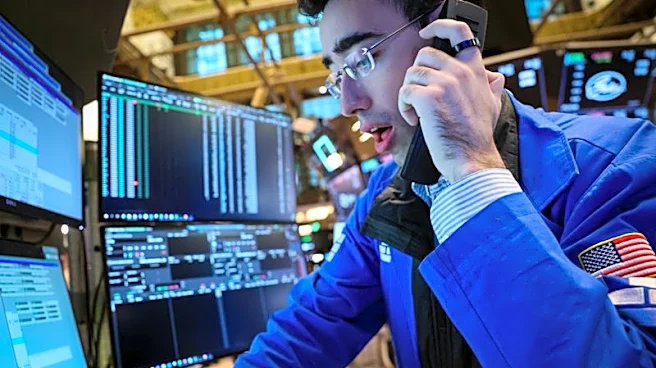
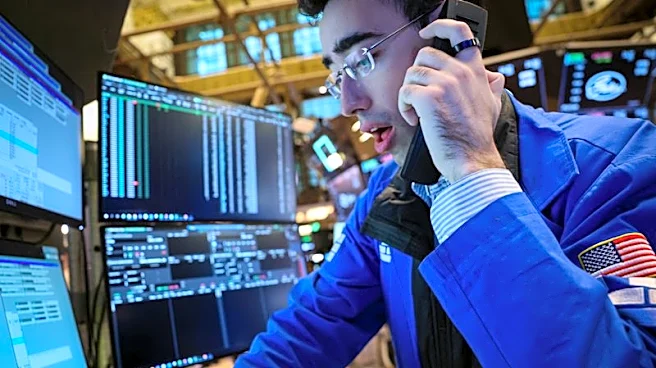
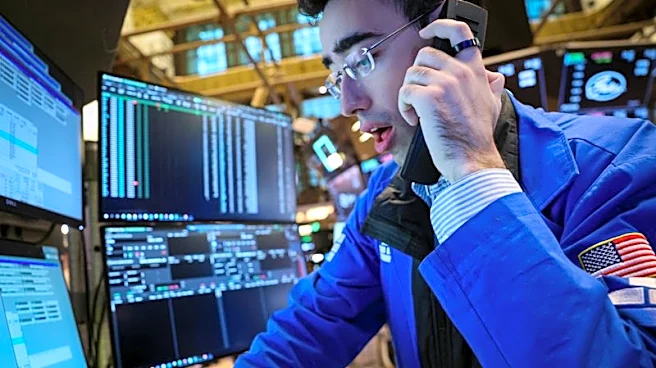
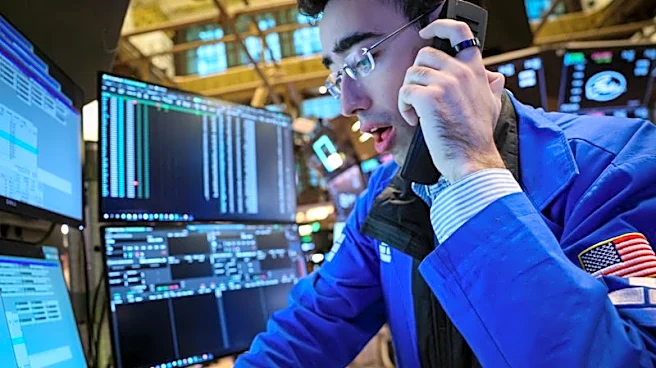
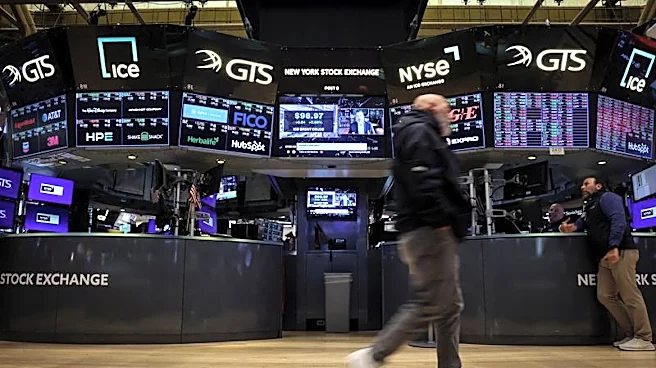
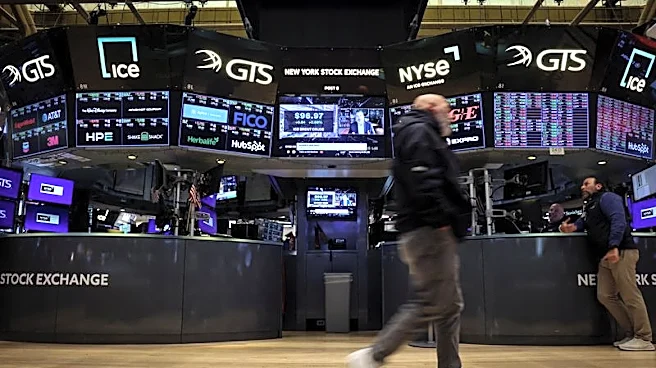
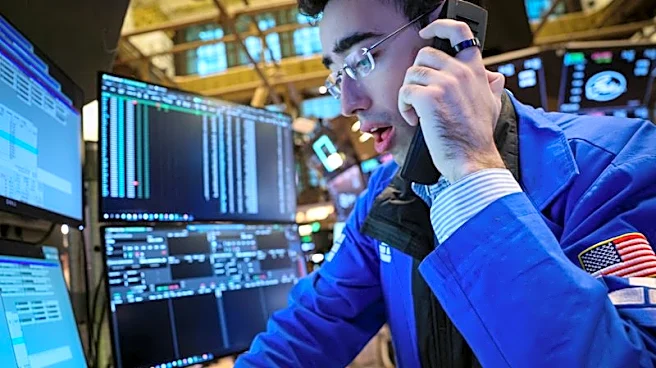
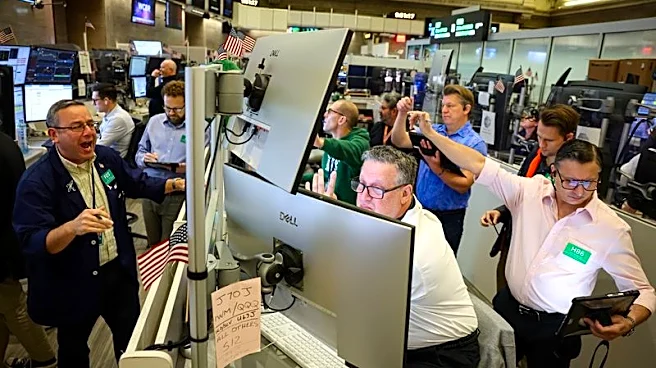
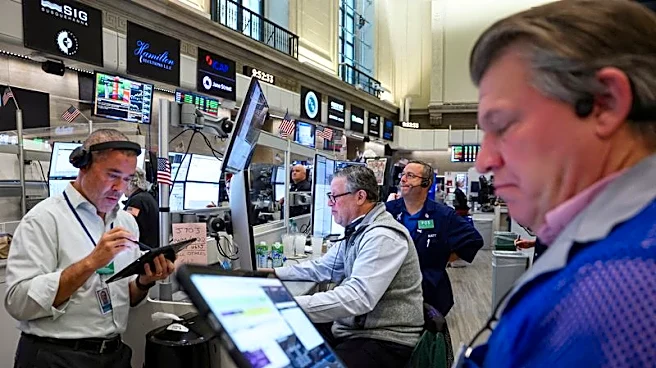
NEW YORK, Nov 20 (Reuters) - US stocks extended their rout on Friday, putting the S&P 500 and the Dow on course to confirm corrections after Anthropic's momentous debut fell flat, exacerbating worries over the AI trade that has driven this year's stock market rally.
All three major US equity indexes were sharply lower, with the Dow and the S&P 500 now more than 10% below their record closing highs reached on October 6. Should those levels hold, it would confirm both
indexes entered corrections on that date.
The bellwether S&P 500 is poised to notch its seventh consecutive drop, which would mark its longest losing streak since February 2020.
All three indexes are on track to log their largest weekly percentage losses since April 2025, when US President Donald Trump announced his market-rattling "liberation day" tariff package.
The tech-heavy Nasdaq entered negative territory for the year.
"The question that lingers is are we in a bear market or not?" said Chuck Carlson, chief executive officer at Horizon Investment Services in Hammond, Indiana. "This feels more to me like a correction within a bull market, which tend to be very violent and fast."
Anthropic's supersized debut as a publicly held company, which was intended to raise as much as $2 trillion in market cap, failed to catch fire on Thursday, closing 17.1% above its $83 offer price as enthusiasm for the stock faded throughout the session.
The Anthropic IPO, combined with Nvidia's quarterly earnings report, failed to dispel fears over risks associated with artificial intelligence and the massive expenditures on the nascent technology.
In its second day as a publicly held company, Anthropic's shares were down 10.2%.
"Nvidia reported what might have been one of the greatest quarters in corporate earnings history; they did everything right," Carlson added. "A lot of people, myself included, were looking to the Anthropic debut to some extent as a clearing event, and it wasn't."
The Philadelphia SE Semiconductor Index, which has powered much of the broader stock market's gains in recent months, was up as much as 106.6% in mid-June. That luster has faded, with the index's year-to-date advance having shrunk to 21.4%.
Among hyperscalers, Amazon was off 3.1%, while Meta dropped 4.7%.
Neocloud firms CoreWeave and Nebius slid over 10% each.
The tech selloff has prompted a rotation into more defensive sectors such as staples and healthcare, which were up 1.5% and 0.7%, respectively.
The Dow Jones Industrial Average fell 278.99 points, or 0.57%, to 48,818.07, the S&P 500 lost 147.76 points, or 2.06%, to 7,028.07 and the Nasdaq Composite lost 810.98 points, or 3.40%, to 23,068.22.
INFLATION, FED IN FOCUS
Federal Reserve Governor Lisa Cook said the central bank's policy rate is not high enough to deal with inflation levels.
Markets are pricing in a 95.5% chance of an interest rate hike at the Fed's next meeting in December, according to CME Group's FedWatch tool.
A report from the University of Michigan survey showed post-election consumer sentiment rose to 7.3%.
Next week's personal consumption expenditures (PCE) figures will provide further clarity on the Fed's monetary policy path after a hotter-than-expected October inflation report last week.
Among other movers, Intuit shares fell 10.8% after the company cut its annual revenue growth forecast and agreed to sell Mailchimp to Bending Spoons for about $3.68 billion, five years after acquiring it for nearly three times as much.
UnitedHealth rose 4.7% after TD Cowen upgraded its shares to a "buy" from a "hold" rating.
The AI selloff also sent Caterpillar 3.6% lower on worries over weakening demand for its power-generating and backup power equipment.
Declining issues outnumbered advancers by a 2.27-to-1 ratio on the NYSE. There were 32 new highs and 965 new lows on the NYSE.
On the Nasdaq, 1,208 stocks rose and 3,563 fell as declining issues outnumbered advancers by a 2.95-to-1 ratio.
The S&P 500 posted 3 new 52-week highs and 18 new lows while the Nasdaq Composite recorded 13 new highs and 692 new lows.
(Reporting by Stephen Culp; Additional reporting by Utkarsh Hathi and Ragini Mathur in Bengaluru; Editing by David Gregorio)