







By Howard Schneider
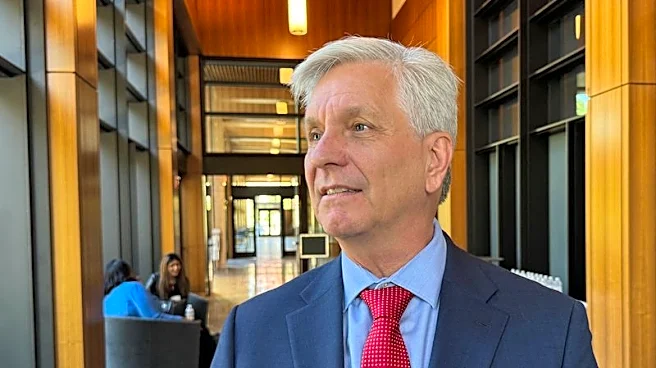
WASHINGTON, July 6 (Reuters) - Forward guidance can be a "valuable tool" that speeds the impact of monetary policy under the right circumstances, though can be a problem when used inflexibly, Federal Reserve Governor Christopher Waller said on Monday in remarks highlighting debate within the central bank about how monetary policy should be discussed.
"I continue to believe that forward guidance can be a valuable tool that has, at times, significantly strengthened policymaking and
will continue to be useful," Waller said in remarks prepared for delivery to a Bank of Italy conference in Rome on monetary policy transmission.
Despite estimates that interest rate changes may take one to two years to influence the economy, Waller, who unlike Fed Chair Kevin Warsh holds a doctorate in economics and leans heavily on research findings in shaping his policy views, noted that when the Fed in the fall of 2021 started steering investors towards coming rate hikes, market interest rates began to rise steadily.
"When it works, forward guidance can change economic conditions more quickly than adjusting the policy rate alone," Waller said.
His remarks contrast to the tone set by Warsh, who has emphasized that forward guidance can make a central bank less nimble in responding to new economic developments and has discouraged its use - at least in the current environment. The statement issued after Warsh's first meeting as chair removed references to what sort of rate adjustments the Fed might make.
Waller did note, like Warsh, that there are moments when providing guidance about future policy "has hindered, rather than helped."
The fall of 2021 was an example of that as well, he said, when the Fed talked about raising rates, but felt so bound by prior guidance that it did not approve a rate hike until March 2022.
While not providing his views about the current situation, Waller also noted that forward guidance can cause trouble at moments when several different economic outcomes or scenarios seem equally likely.
Fed officials right now are torn over whether inflation or risks to employment are the bigger concern.
"If it is not flexible enough, it can hinder policy transmission. And, in some cases, it’s best not to use it at all," Waller said.
(Reporting by Howard Schneider; Editing by Andrea Ricci)