




By Harry Robertson, Jiaxing Li and Rae Wee
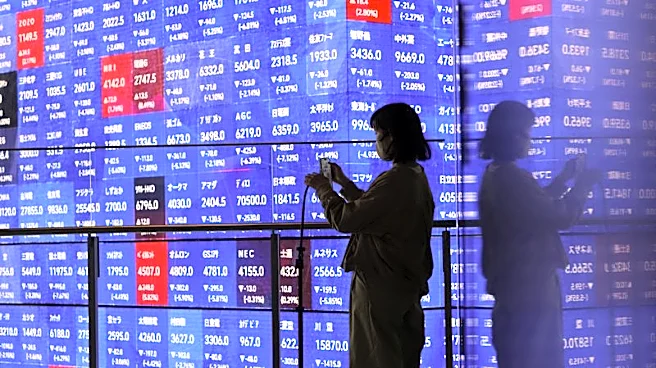
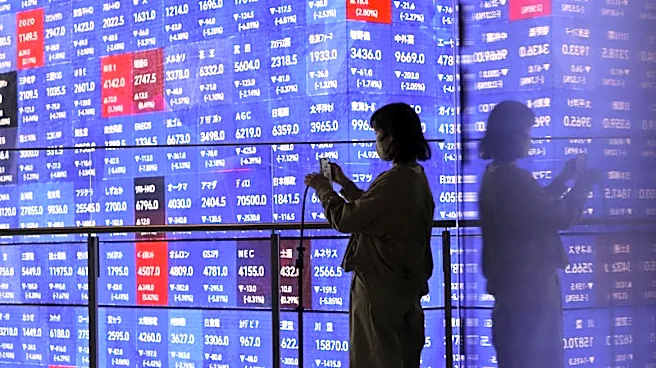
LONDON/HONG KONG/SINGAPORE, Nov 20 (Reuters) - Stock markets stumbled around the world on Friday after Anthropic's IPO failed to restore investors' faith in the AI sector, with US futures dropping and Asian shares heading for their worst week since 2020.
Government bonds rallied as investors sought safe-haven assets.
Shares of Anthropic, the world's first publicly traded frontier AI company, jumped as it launched the biggest IPO in history on Thursday, although
they pared gains later in the session and were down 10% in premarket trading on Friday.
The debut did little to revive excitement over the broader AI theme, however, as investors continued to question whether the huge amounts of spending would deliver returns.
"The Anthropic IPO gave us some brief respite from the cloud of negativity," said Michael Field, chief equity strategist at Morningstar. "That pause is well and truly over unfortunately."
Futures for the tech-focused Nasdaq 100 fell 2% after the index dropped the same amount on Thursday. The Nasdaq is now down around 15% since hitting a record high in early October.
S&P 500 futures were in the red after the index fell for a sixth straight session on Thursday. A seven-day run of declines would be the worst streak since the pandemic.
The STOXX 600 gauge of European stocks fell almost 2%, while MSCI's world index of stocks fell for a seventh straight session, its longest losing streak since 2023.
The MSCI index of Asia-Pacific shares outside Japan tumbled and has sunk 8% this week, its worst performance since the COVID pandemic in March 2020.
Nvidia's blowout earnings earlier in the week and Anthropic's IPO have both failed to restore confidence, said Charu Chanana, chief investment strategist at bank and investment firm Saxo.
"The market is no longer looking for proof of AI demand alone," she said. "It wants evidence that the extraordinary spending across the ecosystem can generate sustainable returns."
The VIX index of expected volatility on Wall Street stocks jumped and traded at its highest since March on Friday.
Adding to the unease, a report on AMD from a media outlet associated with short-selling fund Hunterbrook Capital raised concerns that the chipmaker's ties to Chinese entities, some linked to blacklisted firms, could draw greater US regulatory scrutiny to the sector.
"No one headline drove the roll, though some pointed to an AMD short report which tapered overall sentiment," said Goldman Sachs analysts in a trading note.
All of that has piled further pressure on the AI trade, already battered in recent weeks by Jensen Huang's departure from Nvidia and growing anti-data-centre sentiment exemplified by the Democrats' sweep of the US midterm elections.
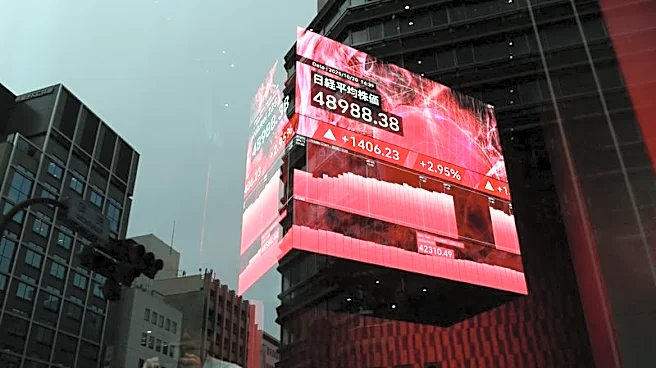
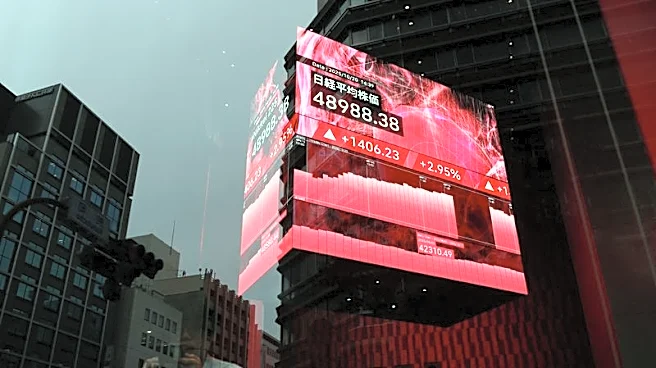
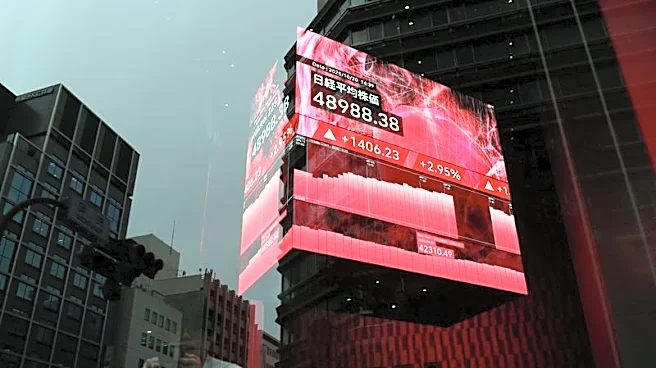
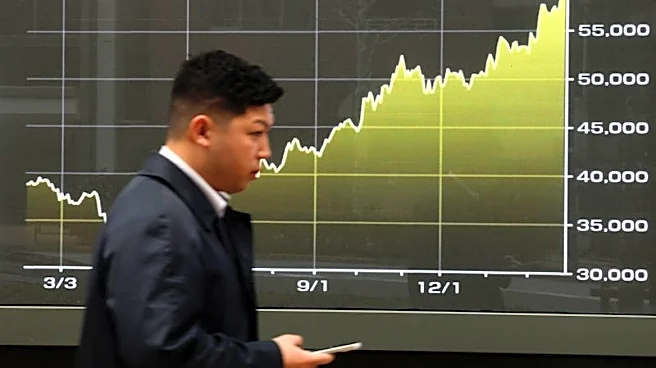
Japan's Nikkei tumbled 5%. Taiwanese shares were down 17% for the week, their biggest weekly decline since 1990.
Despite the sharp drop in stocks, however, equity markets remain up for the year after a blistering rally in the first half on AI optimism.
TREASURIES RALLY AS INVESTORS TAKE COVER
US Treasuries rallied as stocks took a beating, sending investors towards assets deemed safe havens.
The yield on benchmark 10-year Treasury notes fell for a fifth straight session, to below 5%, while German 10-year bond yields fell 10 bps, the most since April. Bond yields move inversely to prices.
Meanwhile, the US dollar held steady at around its highest level in 20 months, also garnering support from growing expectations of a more hawkish Federal Reserve.
Fed funds futures imply that a quarter-point rate hike next month is essentially locked in.
Oil prices were steady, with Brent crude futures trading at $90 a barrel and on track for a third week of declines.
(Reporting by Harry Robertson in London, Jiaxing Li in Hong Kong and Rae Wee in Singapore; Editing by Lincoln Feast, Xevi Fontdegloria and Mark Potter)