
By Jarrett Renshaw and Nicole Jao
WASHINGTON/NEW YORK, Oct 9 (Reuters) - US diesel prices remain at near-record highs, up 70% since the US-Israeli war on Iran began despite two recent moves by President
Donald Trump to boost supplies: pressuring allies to release emergency reserves and expanding access to tax-exempt red-dyed diesel.
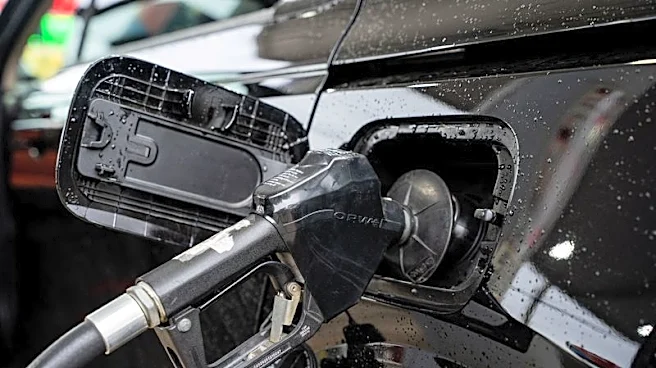
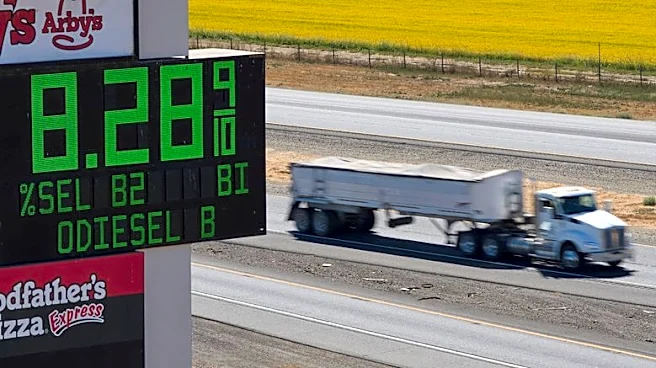
The wars in Iran and Ukraine have triggered a severe global fuel supply crunch, pushing the average US diesel price to $6.28 a gallon on Friday, according to motorist group AAA.
“Aside from a recession that hammers consumption, the only thing that can prevent oil prices from rising further and put them on a sharp downward trajectory is a durable end to conflicts in the Arabian Gulf and between Russia and Ukraine,” said Bob McNally, president of Rapidan Energy Group. “Otherwise, policy options range from marginal to counterproductive.”
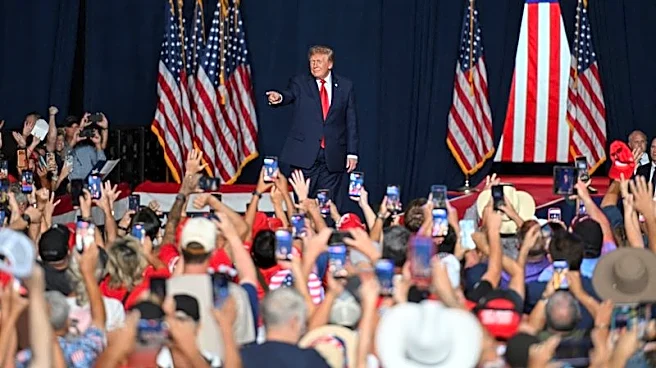
High fuel prices have made it harder for Trump and his Republican Party to defend narrow congressional majorities in the November 3 midterm elections. The cost of living is the top item cited by voters in a Reuters/Ipsos poll, and high diesel prices put particular pressure on traditional Republican constituencies: farmers, truckers and rural voters.
Trump’s approval rating is at a career-low 32%, according to the poll.
The administration has touted a G7 agreement to release 100 million barrels of oil and petroleum products as a major step to help ease prices, but those barrels appear to largely cover what remains of a March emergency release by International Energy Agency members, rather than new supply.
A White House official disputed that characterization, saying the earlier commitments were not specifically for refined products. The administration negotiated for the previously committed barrels to be front-loaded with diesel and released on a tight timeline beginning immediately, the official said.
The White House said Trump was focused on easing temporary disruptions while pursuing longer-term energy policies.
RED-DYED DIESEL
The administration's other major initiative, an executive order allowing red-dyed diesel on public roads through year-end, has drawn limited industry uptake. The fuel is chemically identical to what trucks normally burn but is tinted to show it is exempt from the 24.4-cent-per-gallon federal highway tax.
The order defers the federal tax and waives penalties for burning off-road fuel on highways. But major retailers and marketers remain wary of selling it because of unclear tax liabilities, logistical hurdles and the risk of fines when trucks cross state lines.
The tax savings are relatively small with diesel prices above $6 a gallon.
David Fialkov, who lobbies on behalf of NATSO, a trade group for truck stops and travel centers, said the White House appeared to be encouraging the supply chain to sell dyed fuel through channels not traditionally used for highway diesel, but said that most reputable retailers and marketers were unlikely to do so.
John Tirado, president of New Jersey-based commercial fuel supplier Summa Energy, called the red-dyed diesel plan “a Band-Aid on a much bigger problem.”
The White House said more than 4,000 retailers distribute dyed diesel. It said Treasury Department guidance will clarify the rules, allowing drivers to use it without federal tax or penalty. It said the savings should outweigh any detour costs for truckers seeking the fuel.
“The fundamental problem facing the US is not taxation but an exceptionally tight global market for refined products,” said Caspian Conran, lead economist at Baringa, citing disruptions to energy flows from the Middle East and reduced refining output elsewhere.
He described the measures as short-term steps ahead of the election that could provide “probably a few weeks of relief,” rather than a durable solution.
(Reporting By Jarrett Renshaw in Washington, Additional reporting by Nicole Jao in New York and Timothy Gardner in Washington; Editing by Nathan Crooks, David Gregorio, Rod Nickel)