



By Lucia Mutikani
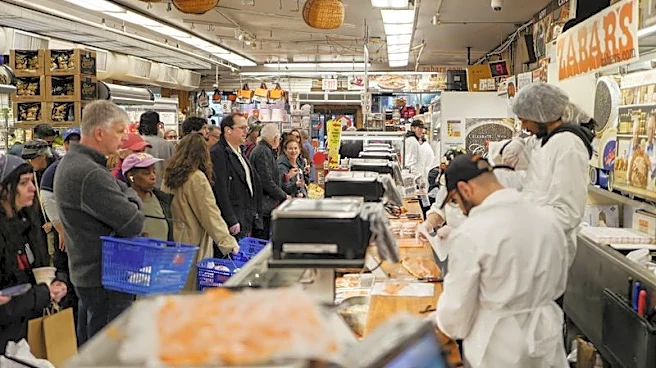
WASHINGTON, Nov 17 (Reuters) - US retail sales increased moderately in October as households pulled back on purchases of motor vehicles and furniture, but maintained spending elsewhere, keeping the economy on solid footing at the start of the fourth quarter.
The report from the Commerce Department on Tuesday also showed upward revisions to September sales. Spending has remained resilient despite rising inflation pressuring household budgets. The underlying strength in retail sales,
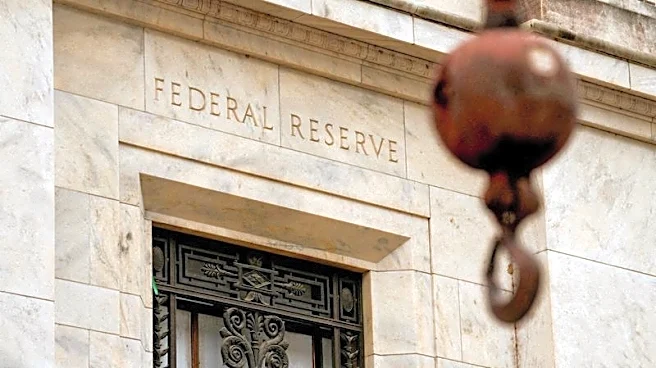
together with other data on Tuesday showing a bigger-than-expected increase in import prices last month, reinforced economists' views that the Federal Reserve would continue raising interest rates after next month's widely expected hike.
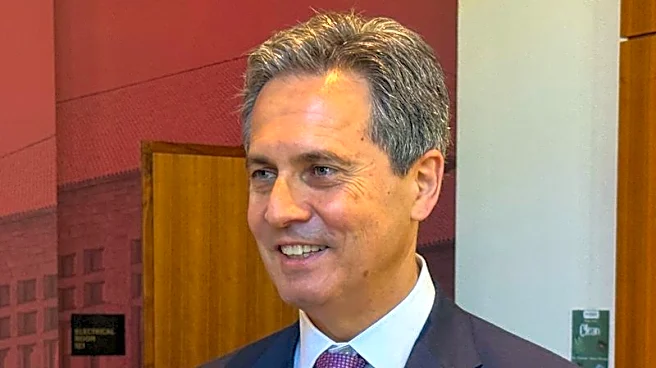
"More consumers are clearly struggling with rapidly rising prices but are not yet ready to throw in the towel," said Scott Anderson, chief US economist at BMO Capital Markets. "Instead, consumers appear to be strategically allocating their monthly budgets to stretch their dollars into different categories every month. While under some pressure, real consumer spending is expected to perform well enough in the fourth quarter to keep the Fed focused on its inflation mandate."
Retail sales rose 0.2% last month after an unrevised 0.8% surge in September, the Commerce Department's Census Bureau said. The increase was in line with economists' expectations. Retail sales are mostly goods and are not adjusted for inflation. They gained 6.8% on a year-on-year basis in October.
The ongoing US-Israeli war with Iran is driving up inflation, eroding households' purchasing power. The government reported last month that income at the disposal of households after adjusting for inflation and taxes fell 0.3% in September.
Consumer spending is being driven mostly by higher-income households, which have been cushioned against inflation by stock market gains. But the recent technology-led selloff could temper spending by making consumers more cautious.
Economists have also noted a reliance on credit cards by more households, with money from generous tax refunds earlier in the year exhausted. Households are also saving less and dipping into their nest eggs to afford purchases. The saving rate fell to a near four-year low in September.
Retail sales over the month were held back by a 1.6% decline in receipts at auto dealers. Sales at furniture retailers fell 2.3%, while receipts at electronics and appliance stores were unchanged. There were decreases in sales at clothing retailers as well as at sporting goods, hobby, musical instrument and book stores. But building material store sales increased 0.5%. Sales at nonstore retailers jumped 1.2%.
Receipts at food services and drinking places rose 0.2%.
UNDERLYING STRENGTH IN RETAIL SALES
Retail sales excluding automobiles, gasoline, building materials and food services increased 0.6% last month after an upwardly revised 0.5% rise in September.
Economists had forecast these so-called core retail sales, which correspond most closely with the consumer spending component of gross domestic product, advancing 0.4% after a previously reported 0.1% gain in September. Consumer spending increased at a 3.8% annualized rate in the third quarter. The economy grew at a 3.4% pace in the July-September quarter.
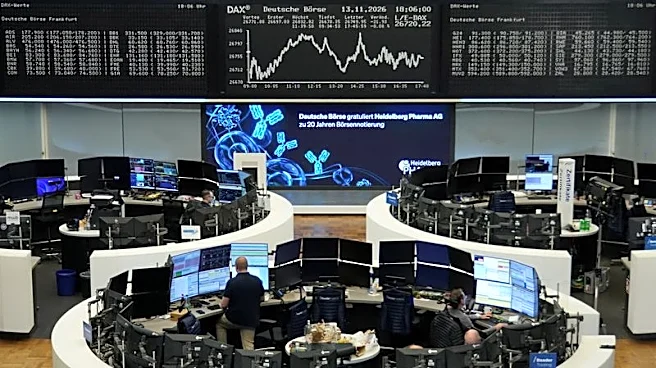
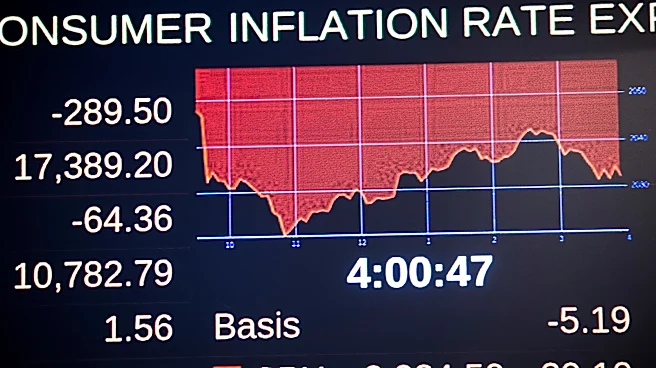
US stocks opened lower. The dollar was little changed against a basket of currencies. US Treasury yields rose.
A separate report from the Labor Department's Bureau of Labor Statistics showed import prices increased 1.1% in October after rising by the same margin in September.
Economists had forecast import prices, which exclude tariffs, climbing 0.7%. The BLS did not publish year-over-year import price readings because last year's federal government shutdown prevented the collection of data in October 2025, leaving no comparison base. Imported inflation accelerated 8.1% in September, the largest gain in just over four years.
The government last week reported stronger-than-expected consumer prices in October as well as firmer producer inflation details. Financial markets have priced in a 25-basis-point Fed rate hike in December and anticipated another increase in borrowing costs in January, CME's FedWatch tool showed.
The Fed left its benchmark overnight interest rate in the 3.75%-4.00% range last month.
Import prices were last month driven by a 3.6% rise in the cost of fuels. That followed a 6.3% jump in September. There were also increases in the prices of petroleum and natural gas. Imported food prices fell 0.2% after rising 0.4% in September.
Excluding fuels and food, import prices shot up 0.9% after increasing 0.5% in September. Prices of imported capital goods soared 1.5%, driven by a 1.7% jump in the cost of nonelectrical machinery. That is likely related to the AI infrastructure buildout. Imported capital goods prices advanced 1.0% in September.
Imported automotive vehicles, parts and engines prices increased 0.4% after gaining 0.3% in September. Prices for consumer goods, excluding automotives, rose 0.5% after climbing 0.3% in September.
(Reporting by Lucia Mutikani; Editing by Chizu Nomiyama and Andrea Ricci )