
By Andrea Shalal
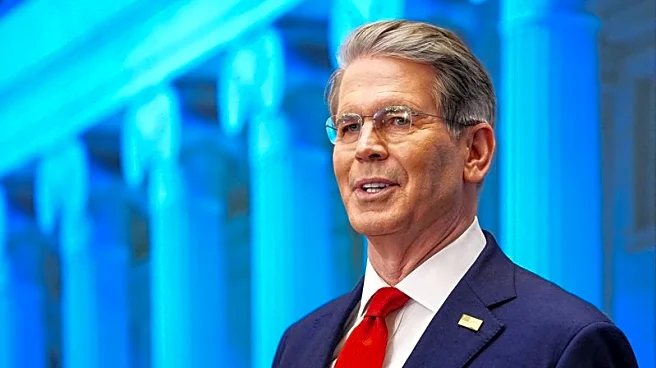
WASHINGTON, Jan 28 (Reuters) - More than 500,000 families have signed up for the Trump administration's investment accounts in recent days, Treasury Secretary Scott Bessent said on Wednesday
before an event at which singer Nicki Minaj will speak alongside President Donald Trump.
The administration is trying to drum up interest in the initiative, which was created this year under Trump's One Big Beautiful Bill Act.
The U.S. Treasury will deposit $1,000 into investment accounts for all children born between 2025 and 2028, with some 25 million families estimated to be eligible, Bessent told Fox News.
He said there would be additional contributions from private investors, following the lead of Michael and Susan Dell who contributed $6.25 billion, with more contributors to be announced later on Wednesday.
"We're going to have some big announcements today on some very important states from some great philanthropists who have adopted their states," Bessent said without giving more details.
Trump is expected to speak at the event at 11 a.m. EST, along with Bessent and White House Press Secretary Karoline Leavitt. Bessent would not say whether Minaj would be contributing to the accounts but did say she would make remarks.
A poll by Exclusive Public First showed that 57% of Americans had never heard of a Trump account, while another 25% said they had heard of it but could not explain it, Politico reported. Only 14% had heard of the accounts and could explain them.
The initiative has drawn support from billionaire investor Ray Dalio, who announced in December that he would help fund Trump accounts for certain children in Connecticut, as part of the administration's push to secure additional outside donors in every U.S. state.
Some companies such as BlackRock, Charter Communications, BNY, Block, Uber, Visa, and Mastercard have also pledged support.
Bessent said the accounts would give more people access to potential stock market earnings and compound interest. Relatives can also add to the initial federal seed money in the accounts, which children can use when they turn 18 to pay for cars, a home, college or to fund a retirement account.
(Reporting by Andrea Shalal, Susan Heavey and David Lawder; Editing by Chizu Nomiyama )