



By Maayan Lubell, Lili Bayer and Tamar Uriel-Beeri
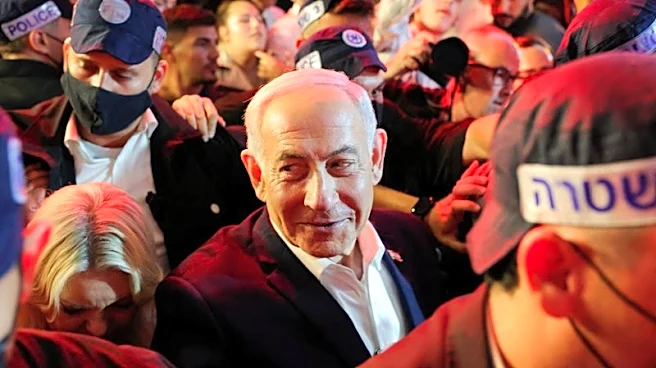
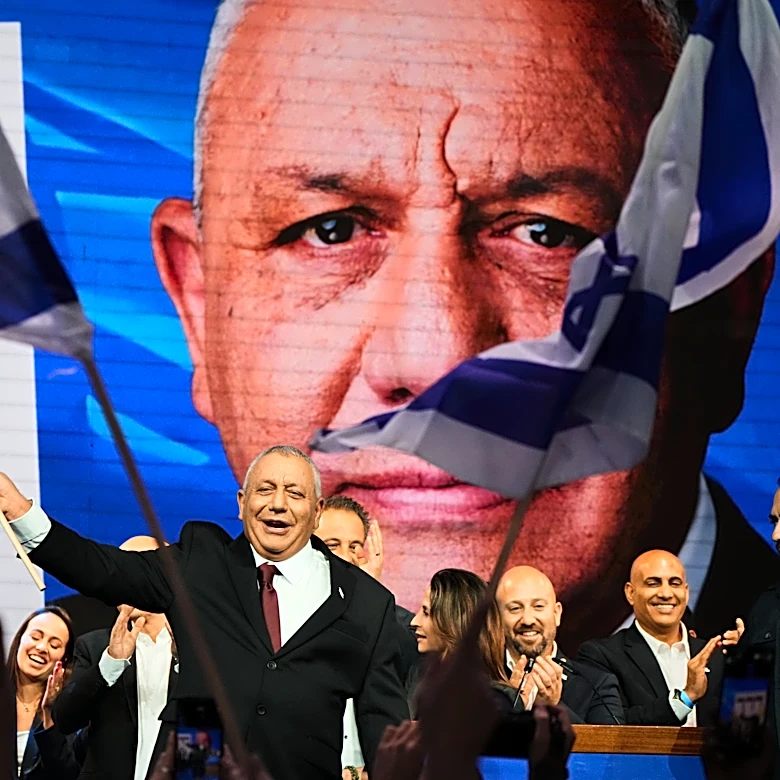
JERUSALEM, Oct 27 (Reuters) - Israel's wartime election was deadlocked on Tuesday, exit polls showed, with Gadi Eisenkot's opposition bloc running neck and neck with Prime Minister Benjamin Netanyahu's camp, leaving neither side with a clear path to power.
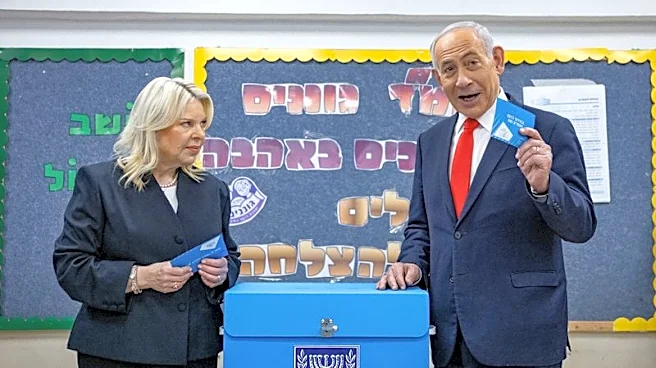
The projections pointed to a setback for Netanyahu's coalition, though the deadlock could allow Israel's longest-serving prime minister to remain in power as caretaker during coalition negotiations.
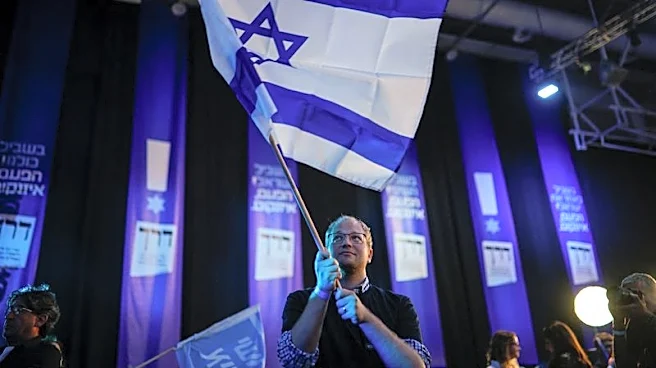
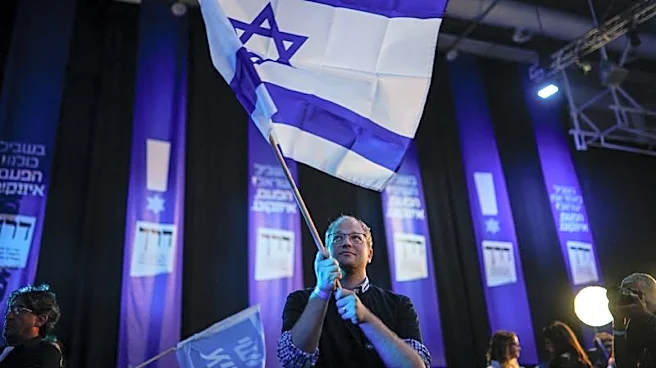
"The Israeli public has voted against Netanyahu's service as Israel's prime minister ... a worthy leader would have accepted the people's non-confidence and announced today his retirement from politics," Eisenkot told cheering supporters in Tel Aviv.
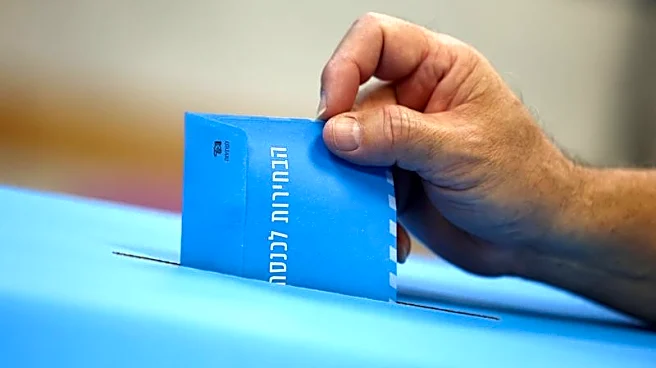
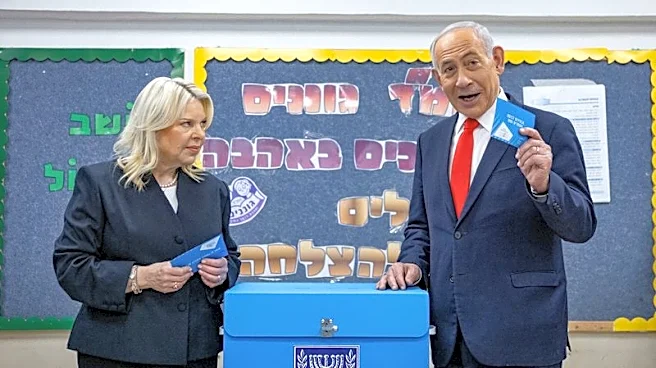
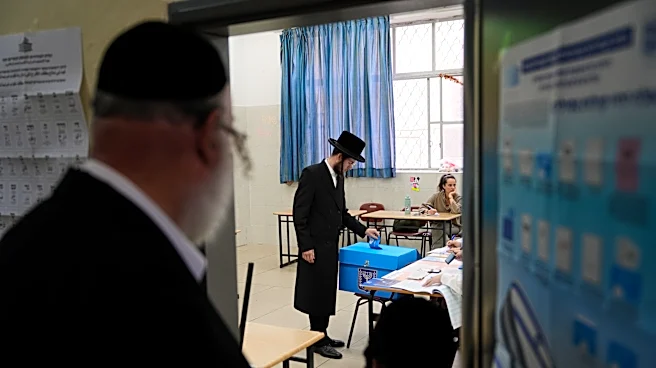
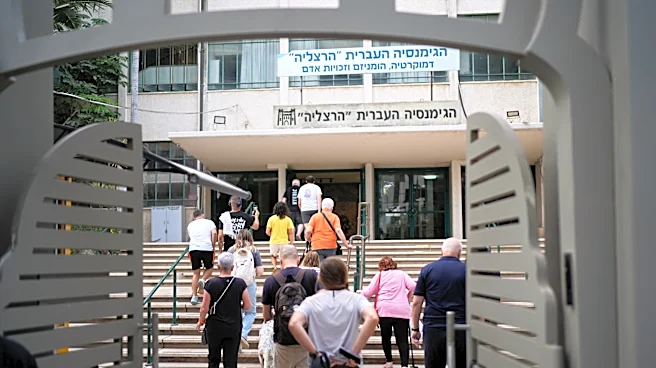
Turnout was 77.7%, Israel's Central Elections Committee said, the highest in more than two decades and around 7 percentage points higher than in 2022.
Kan 11 and Channel 13 showed the two blocs level, while Channel 12 gave Eisenkot a narrow edge over Netanyahu's Likud-led camp. None gave either side the 61 seats needed for a majority in the 120-seat Knesset.
Far-right religious parties led by Itamar Ben-Gvir and Bezalel Smotrich were projected to take a combined 13 seats within Netanyahu's bloc.
Arab parties outside the two main blocs could hold the balance of power. But Eisenkot, leader of the Yashar party and a former military chief, has all but ruled out forming a government with them, complicating his path to power.
Final results could take days, and Israel's fragmented political system leaves smaller parties potential kingmakers.
It was the first election since the Hamas-led attack of October 7, 2023, and the ensuing wars in Gaza, Lebanon and Iran.
Yohanan Plesner, president of the Israel Democracy Institute, called the exit polls a major defeat for Netanyahu's coalition but cautioned that Eisenkot had not emerged as a clear winner and much could change as votes were counted.
NETANYAHU SETBACK, NO CLEAR WINNER
Opposition leader Yair Lapid said in a statement: “Don’t let anyone confuse you: the Netanyahu bloc has suffered a crushing defeat. This is a total collapse and the public has told them to go home.”
Eisenkot, 66, who lost a son and two nephews in the Gaza war, emerged as Netanyahu's strongest challenger, stressing his security credentials while positioning himself as a centrist domestically.
He entered politics only four years ago and joined Netanyahu's war cabinet after the 2023 Hamas attack, but quit eight months later, criticising the prime minister's leadership.
Eisenkot offers a break with Netanyahu's leadership and far-right allies, but not with the hardline approach to security that has become more entrenched since the 2023 Hamas attack. He opposes Palestinian statehood and says Hamas' military wing must be destroyed or dismantled.
Eisenkot says Israel's response — a war that has killed more than 74,000 Palestinians, according to Gaza health authorities — was a failure because Hamas remains in charge.
The headquarters of the Joint List, an alliance of several Arab parties, burst into whistles and applause when exit polls were released, on a historic night for turnout among Palestinian citizens of Israel.
“We refuse the occupation and racism, and we will remain here,” said Faten Gattas, a candidate in the Joint List, in a speech at the alliance’s headquarters in Nazareth. Candidates hoped high Arab turnout would allow them to play a decisive role in blocking Netanyahu's coalition from returning to power.
A WARTIME VERDICT
Voters grappled with the trauma of Israel's deadliest day, when Hamas killed 1,200 people and took 251 hostage, and the wars in Gaza and with Lebanon's Hezbollah and Iran that followed.
While Netanyahu was criticised for the country's biggest security failure, he argued that he had made Israel and the world safer by killing top leaders of Hamas, Hezbollah and Iran.
The policies of Netanyahu's right-wing coalition have been divisive at home and deepened Israel's international isolation, but he has portrayed himself as the leader with the mettle to face down Israel's foes.
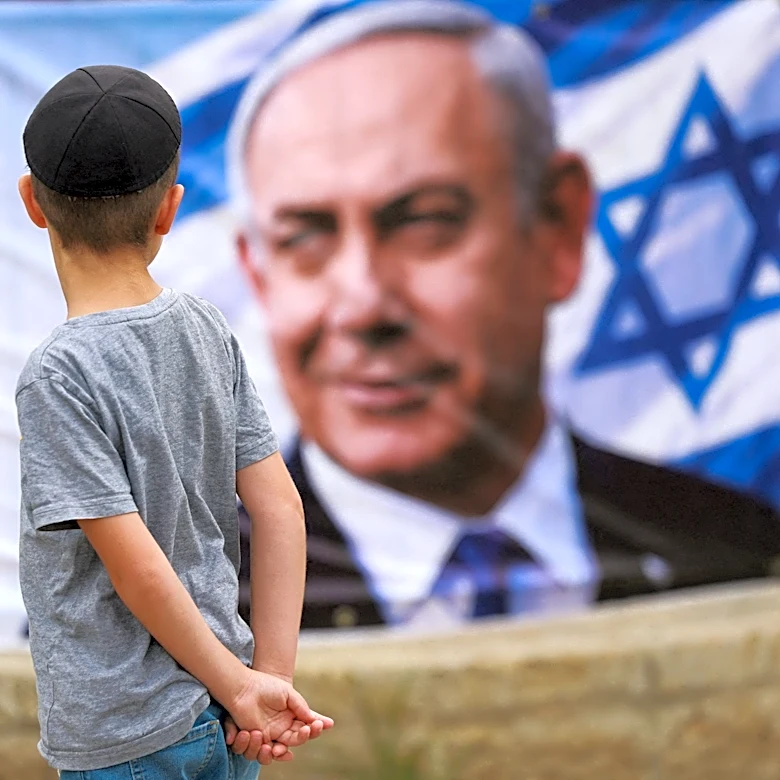
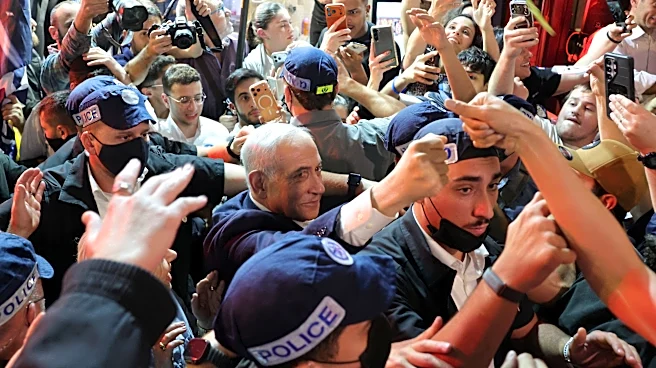
Netanyahu, 77, has served as prime minister for nearly 19 of the past 30 years and has repeatedly survived political crises. His opponents have managed to wrest the premiership from him only once since 2009, after four inconclusive elections in two years. Eighteen months later, he was back.
He entered the election facing longstanding corruption charges, which he denies, and criticism over intelligence failures that allowed Hamas-led militants to carry out their attack.
Netanyahu campaigned on an endorsement from US President Donald Trump, his ally in the war against Iran.
(Additional reporting by Rami Ayyub in Jerusalem; Writing by Tom Perry and Michael Georgy; Editing by Howard Goller, Joe Bavier, Peter Graff and Kevin Liffey)