







By Chibuike Oguh
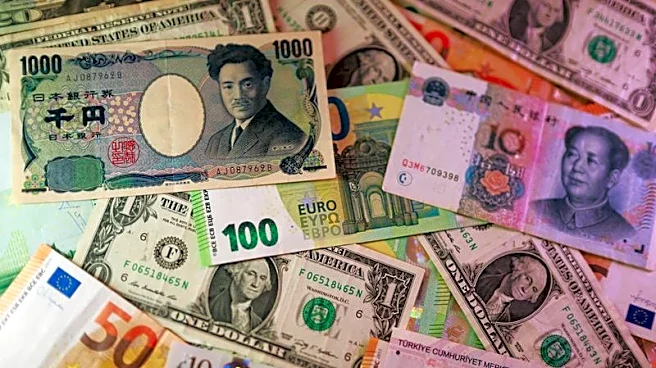
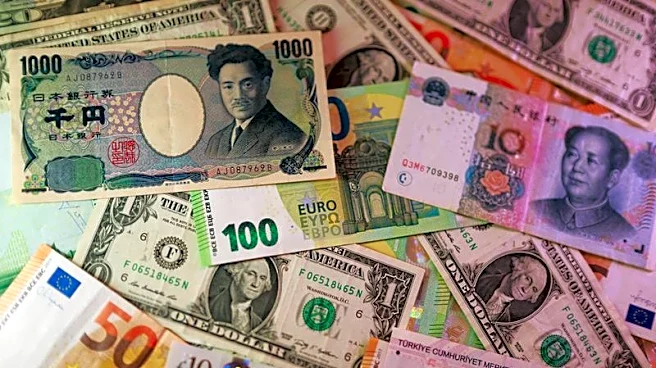
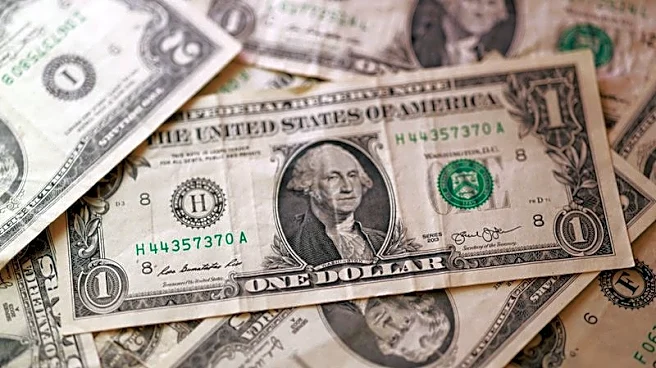
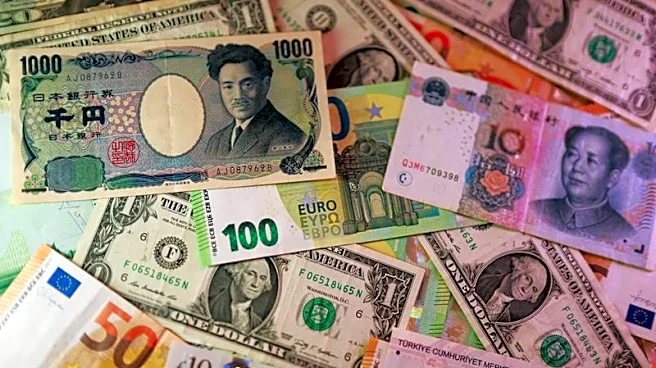
NEW YORK, Oct 28 (Reuters) - The US dollar fell against major currencies on Wednesday after the Fed delivered a rate decision in line with expectations, while the New Zealand dollar fell sharply after that country's central bank surprised markets by leaving interest rates unchanged.
The Fed held interest rates steady, as expected, opting to delay any changes to borrowing costs until after next week's US midterm elections and awaiting further data on the path of inflation.
The dollar
had a muted immediate reaction following the announcement of the Fed decision, but it began losing ground later as Chair Kevin Warsh spoke in a press briefing.
The euro was up 0.32% against the dollar at $1.1160. Against the Japanese yen, the dollar was down 0.04% at 157.87 yen.
"The US dollar is softer than it was going into the FOMC as there's been a steepening in the yield curve," said Marc Chandler, chief market strategist at Bannockburn Global Forex.
The Treasury yield curve steepened after Warsh started his press conference, with the 2-year note yield, which typically moves in step with Fed interest rate expectations, falling 1.46 basis points to 4.722%.
Markets are currently pricing in a nearly 85% chance of a Fed rate hike in December, according to the CME's FedWatch tool.
The dollar index, which measures the greenback's strength against a basket of six other currencies, was down 0.2% at 102.15.
"This meeting landed right on target for what expectations were," said James St. Aubin, chief investment officer at Ocean Park Asset Management. "There wasn’t much probability of a rate hike."
British finance minister John Healey told parliament on Wednesday he would raise taxes on banks, gambling and income for savers and landlords, while tightening value-added tax rules for online marketplaces such as Amazon, to fund the country's budget package.
The pound was up 0.12% against the dollar at $1.3323 and was down about 0.08% versus the euro.
KIWI FALLS
The New Zealand dollar sank as much as 1.74% to $0.5583 after the Reserve Bank of New Zealand held interest rates at 2.75%, surprising a large majority of economists who had expected a rate hike.
The Bank of Canada raised its key policy rate for the first time in more than three years and said further increases might be needed to prevent soaring energy costs from fueling broader inflation.
The Canadian dollar strengthened 0.37% versus the greenback to C$1.4 per dollar.
"The Reserve Bank of New Zealand disappointed markets and the New Zealand dollar sold off in response. It's the weakest of the G10 currencies. The Bank of Canada just hiked rates but it was expected. The Canadian dollar hasn't reacted much to the hike," Chandler said.
The European Central Bank and the Bank of Japan are expected to deliver monetary policy verdicts on Thursday and Friday, respectively, with both central banks expected to leave policy rates unchanged.
(Reporting by Chibuike Oguh in New York; Editing by Alexandra Hudson, Ros Russell and Edmund Klamann)