



By David Lawder and Andrea Shalal
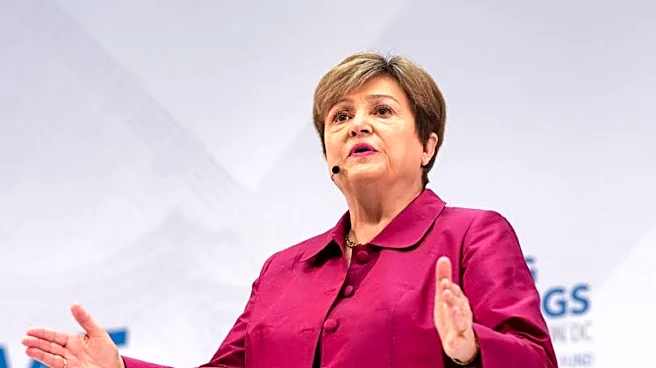
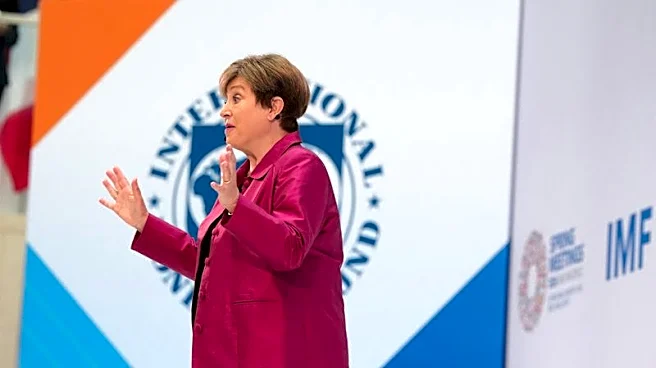
WASHINGTON, April 9 (Reuters) - Central bankers must be prepared to tighten monetary policy to avoid an inflationary spiral if war-driven energy price shocks are sustained, but also need to watch for a softening of demand that would argue against rate hikes, International Monetary Fund Managing Director Kristalina Georgieva said on Thursday.
Georgieva told an event to preview next week's IMF and World Bank annual meetings that if the Iran war ceasefire holds and the oil
supply shock is short-lived, central banks may be able to hold rates steady with only a slight rise in inflation. This would translate to a de-facto easing of monetary policy.
She cautioned against an urge to rush into tightening rates by central bankers who were slow to respond to post-COVID-19 inflation, telling them to stay alert to data.
"Be watchful, concentrate on conditions, because if you tighten prematurely and unnecessarily, you're throwing cold water on growth," Georgieva said. "And then the demand may shrink. And then, from a supply shock you get into a supply-and-demand shock. And it may get ugly."
The war in the Middle East, which began on February 28, has disrupted global shipping and caused a 50% jump in the price of oil, with the IMF warning this week that the war will result in higher prices and slower growth, regardless of when it ends.
Much will depend on how long the war lasts and how much damage is left in its wake, Georgieva said, noting that markets had been expecting major central banks to tighten their policy.
She warned that there was a risk that inflation expectations could break anchor and ignite a costly inflation spiral.
Short-run inflation expectations had risen, but longer-run expectations had not changed, she said, adding, "This is very good and very important."
IMF officials were working with countries to help them craft fiscal support packages with sunset clauses to ensure they remained temporary, while stressing that fiscal and monetary policies must not pull in opposite directions, she said.
"Adding deficit-financed stimulus to the mix at this moment would increase the burden on monetary policy," she said. "It would be like driving with one foot on the accelerator and one on the brake - not good."
(Reporting by David Lawder and Andrea Shalal; Editing by Chizu Nomiyama and Andrea Ricci )