





By Leika Kihara
TOKYO, July 27 (Reuters) - The Bank of Japan is set to keep interest rates steady on Friday but leave scope for further hikes with hawkish communication, as the economy faces mounting inflationary pressure from the Middle East war, a weak yen and robust global AI demand.
The central bank, however, will likely stay ambiguous on the pace and timing of future rate hikes as it awaits data on the degree to which surging producer prices from the energy shock spread to the broader economy.
Analysts say Governor Kazuo Ueda faces the competing demands of talking down the yen bears through hawkish communication while not antagonising a government seen as critical of further policy tightening.
"The BOJ is likely to maintain its view that risks to the price outlook is skewed to the upside," analysts at Mitsubishi UFJ Morgan Stanley Securities wrote in a research note, adding that it expects the next rate increase to come in December.
"The timing could be pushed forward to September or October if the BOJ heightens alarm over an inflation overshoot, or if relentless yen falls lead the administration to judge a rate hike is inevitable," they said.
Having just hiked in June, the BOJ is set to maintain interest rates at 1% at a two-day meeting ending on Friday. It will be the first meeting for Ayano Sato, who joined on June 30 as the second board member hand-picked by dovish prime minister Sanae Takaichi.
Markets are focusing on the BOJ's quarterly outlook report and Ueda's post-meeting news briefing for clues on how soon it could raise still-low borrowing costs.
In the report, the board is seen revising up its growth forecast for fiscal 2026 on receding fears of a severe hit from the Middle East conflict, sources have told Reuters.
The board is also likely to cut its inflation forecast due to the effect of subsidies and a drop in oil costs from levels seen in April, they said, though jittery oil markets and rising import costs from a weak yen may keep any downgrade small.
With risks of an immediate, oil-driven inflation shock easing, the BOJ is likely to signal that downside risks to growth and upside risks to inflation have both subsided from three months ago, sources say.
But the central bank is set to maintain its warning over the risk of inflation overshooting its 2% target with many firms announcing plans to raise prices for food and daily necessities.
In the current report published in April, the BOJ projected the economy to grow 0.5% and core consumer inflation to hit 2.8% in fiscal 2026.
CASE FOR MORE HIKES
While uncertainty over the Middle East conflict clouds the economic outlook, the case for further rate hikes is building.
Hawks in the board have called for faster rate hikes to bring the BOJ's policy rate closer to levels deemed neutral to the economy, a summary of the June meeting showed.
The BOJ's "tankan" survey showed corporate inflation expectations rising to record levels, while its regional report showed the U.S.-Israeli war on Iran was prodding more firms to raise prices later this year.
A stubbornly weak yen also pushes up the cost of imports.
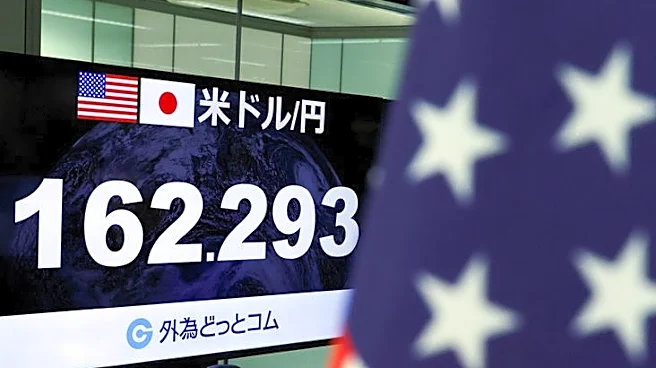
The yen hit a 40-year low against the dollar this month as renewed rises in oil prices led markets to price in the chance of U.S. interest rate hikes, lifting the greenback.
A complication could come from the Takaichi administration's focus on reflating growth with big spending and its economic blueprint suggesting the BOJ should align its decision with the government's policy.
Consumer inflation data in coming months could be key to the BOJ's rate-hike timing, providing some clarity on the magnitude of inflationary pressure and second-round effects, analysts say.
Analysts polled by Reuters expect the BOJ to raise rates to 1.25% by end-December and possibly as soon as October.
(Reporting by Leika Kihara; Editing by Sam Holmes)