




By Anushree Mukherjee
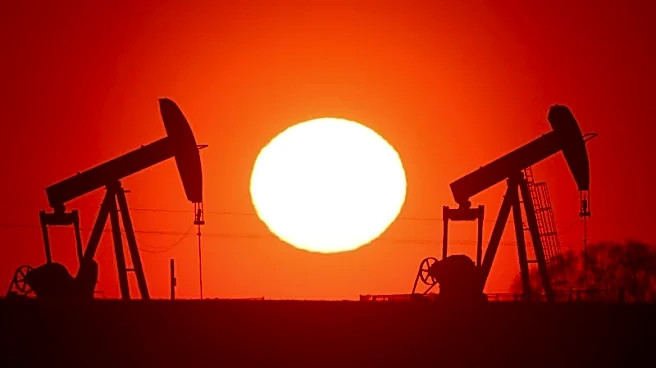
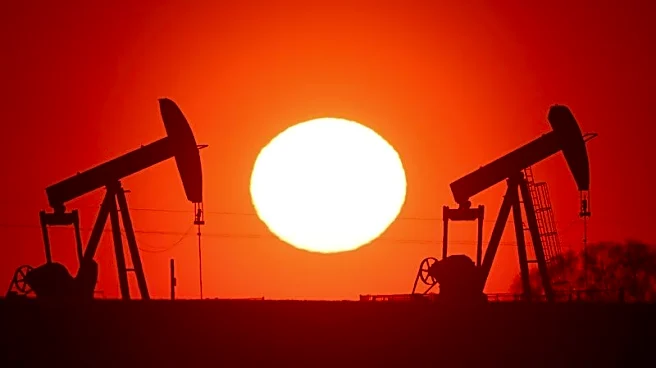
Aug 27 (Reuters) - Oil prices rose on Thursday after falling earlier in the session as traders weighed signs of diplomatic progress involving Iran against lingering risks to oil supplies from the Middle East.
Brent crude futures were up 71 cents, or 0.81%, at$88.55 a barrel at 1128 GMT. West Texas Intermediate crude futures gained 28 cents, or 0.34%, to $82.51.
Earlier in the session, Brent fell as low as $86.22 a barrel and WTI dropped to $80.65.
"If Hormuz were to reopen more
fully, a further leg lower in crude is possible, but the market is unlikely to price a complete return to pre-conflict levels overnight," KCM chief market analyst Tim Waterer said.
"The biggest risk right now is that optimism around a deal proves premature and negotiations stall or break down again. That would quickly re-inject risk premium into prices."
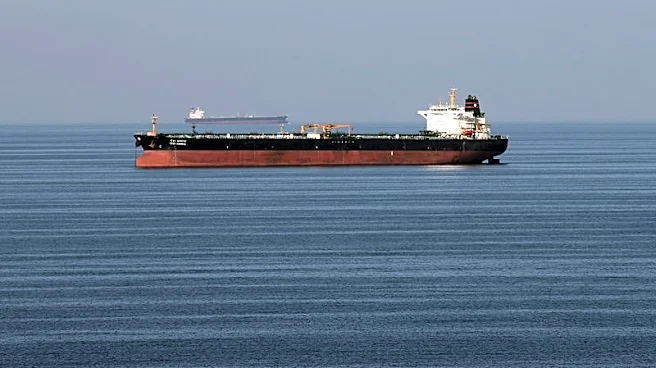
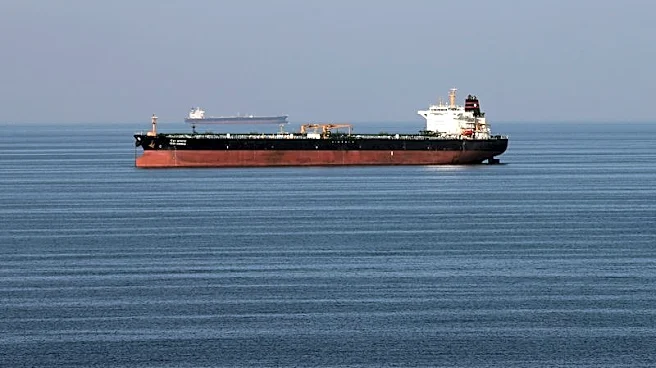
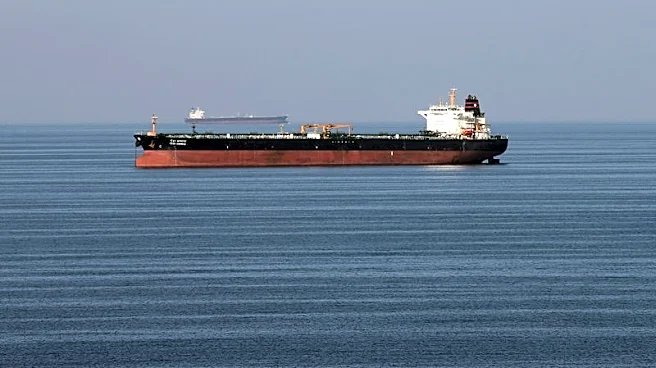
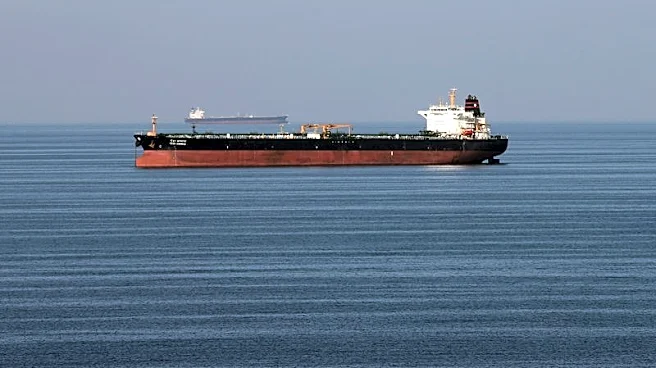
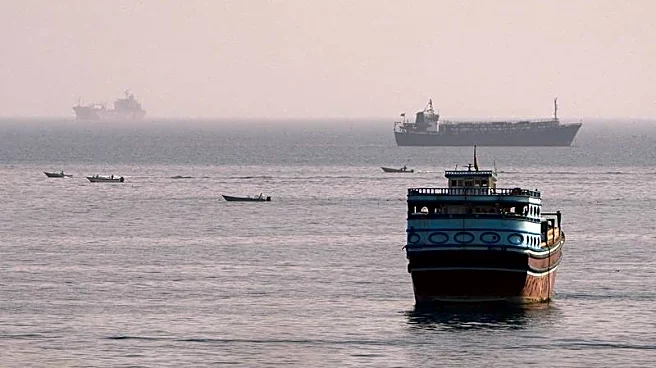
Qatar's prime minister will head to Iran on Thursday to relaunch diplomatic talks to end the U.S.-Israeli conflict with Iran, which is nearly six months old and has effectively closed the vital Strait of Hormuz route for Gulf energy exports.
The visit comes amid a pause in fighting, but with no diplomatic breakthrough in sight. Both sides are at odds over control of the strait, which Tehran has used as leverage.
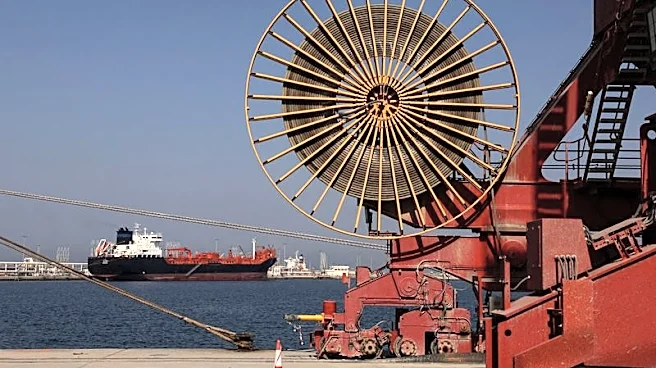
The waterway handled about one-fifth of global daily oil and liquefied natural gas supplies before the conflict began in late February.
Shipping traffic on the strait rose slightly on Wednesday despite the standoff, data showed.
A senior Iranian source said on Wednesday Iran and Oman were working on finalising details of an agreement to control the strait, after Iran's Revolutionary Guards said the two countries had agreed how to share the waterway.
"At the heart of the dispute remains Iran's nuclear programme and that is unlikely to be resolved quickly ... Iran also understands the importance of its geographical position and the leverage that the Strait of Hormuz provides, so the risk of prolonged uncertainty remains," said Priyanka Sachdeva, head of market insights at Phillip Nova.
The U.S. has halted its attacks on Iran for about a month and is seeking to impose greater economic pressure on Tehran, which has raised investors' expectations for an easing of Gulf supply disruptions.
"So far SPR (strategic petroleum reserves) releases helped to compensate for the disruption, but those sales will end soon, translating into faster falling commodity inventories if there is no improvement," said UBS analyst Giovanni Staunovo.
(Reporting by Laila Kearney in New York, Emily Chow in Singapore and Anushree Mukherjee in Bengaluru. Editing by Thomas Derpinghaus, Conor Humphries, Mark Potter and Louise Heavens)