


By Blake Brittain
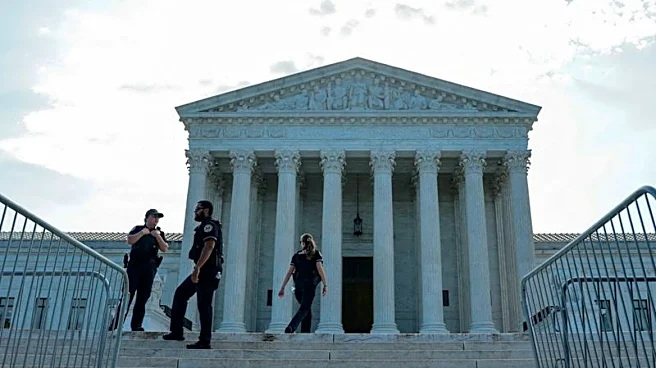
WASHINGTON, June 4 (Reuters) - The U.S. Supreme Court ruled on Thursday drugmaker Hikma's generic version of Amarin Pharma's cardiovascular medication Vascepa did not infringe Amarin's patents, in a decision that may make generic drugmakers less vulnerable to patent lawsuits involving so-called "skinny labels."
The justices, in a 9-0 ruling, overturned a lower court's decision in favor of Amarin. Generic drugmakers argued that a ruling in favor of Amarin in the case would have discouraged
them from making and selling their lower-cost drugs and increased U.S. drug prices.
President Donald Trump's administration supported Hikma's Supreme Court appeal.
Pharmaceuticals can be protected by patents covering both the drug's active ingredient and specific methods of using it.
"Skinny labels," meant to encourage generic competition, are intended to allow generic drugmakers to avoid patent lawsuits if the label of their generic omits infringing uses of the brand-name drug it replicates.
The FDA approved London-based Hikma's generic Vascepa solely to treat severe hypertriglyceridemia and required it to include a skinny label that omitted the drug's use to treat non-severe hypertriglyceridemia, which was still covered by Amarin patents.
Vascepa, derived from fish oil, has been approved by the U.S. Food and Drug Administration to lower triglycerides, a common type of fat, and reduce the risk of heart issues. It is currently Amarin's only product.
Irish-American biopharmaceutical company Amarin earned $213.6 million in revenue from Vascepa sales in 2025, according to a company filing with the U.S. Securities and Exchange Commission.
The FDA approved Vascepa in 2012 to treat severe hypertriglyceridemia, a condition involving an excess of fats in the blood, before approving it for less-severe hypertriglyceridemia in 2019.
Amarin sued Hikma in Delaware federal court in 2020. Amarin argued that Hikma's label, combined with statements in press releases and on its website, encouraged doctors to prescribe it for the less severe condition.
The U.S. Court of Appeals for the Federal Circuit said Hikma publicly referred to its drug as "generic Vascepa" without clarifying that it was approved only for one specific use, which could have encouraged doctors to prescribe it for infringing uses.
Hikma told the Supreme Court in a brief that generic drugs have saved patients and insurance payers an estimated $2.9 trillion in the past decade. The company and the Trump administration both argued that allowing lawsuits like Amarin's could disincentivize generic drugmakers and lead to increased drug prices.
Amarin told the justices that Hikma's alleged infringement was atypical, noting that it had not sued seven other companies that also make generic Vascepa.
(Reporting by Blake Brittain in Washington; Editing by Will Dunham)