






By Amanda Cooper and Chibuike Oguh
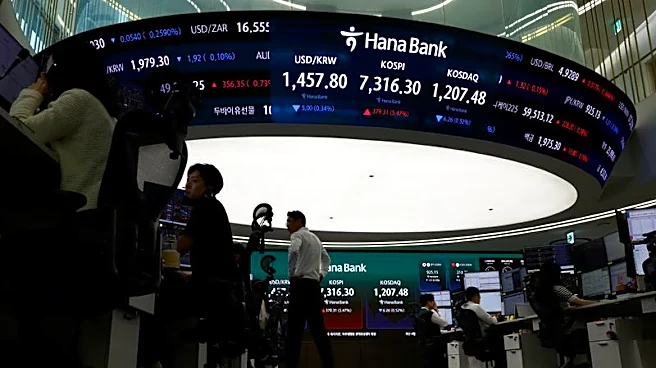
NEW YORK/LONDON, Sept 18 (Reuters) - Equities around the world fell while Treasury yields rose on Friday, as markets approached the end of a turbulent week marked by a global push by central banks to quell inflation.
On Wall Street, the three main indexes were lower, with materials, utilities and real estate stocks leading declines. The benchmark S&P 500 and the Dow were on track for weekly losses, while the Nasdaq was set to post a weekly gain.
The Dow Jones Industrial
Average fell 0.4%, the S&P 500 fell 0.2%, and the Nasdaq Composite fell 0.1%.
Stocks in Europe fell 1.1% and were headed for a weekly loss. MSCI's gauge of stocks across the globe fell 0.2%.
Monetary policy has been the prime focus this week, as the war in the Middle East nears the seven-month mark with few signs of ending, which is keeping oil prices above $100 per barrel and fanning inflation fears. That has also led to a rise in yields across major government bond markets.
"The market is coming to the realization of a higher interest-rate environment on a go-forward basis," said Kieran Osborne, chief investment officer at Mission Wealth.
"The Fed clearly indicated that they're likely to raise rates one more time and then central banks globally are sort of on the path to try to rein in inflation. The situation in the Middle East doesn't appear to be abating anytime soon."
CENTRAL BANK MOVES
The yen weakened and Japanese government bonds fell after the Bank of Japan raised rates to a 31-year high of 1.25%. The decision, though expected, excited yen bears with two board members dissenting to the hike.
The Japanese yen weakened 0.6% against the greenback to 156.88 per dollar. The Japanese currency has risen 1.8% so far this month, driven by expectations of a faster pace of hikes from the BOJ and early signs of repatriation from Japanese investors.
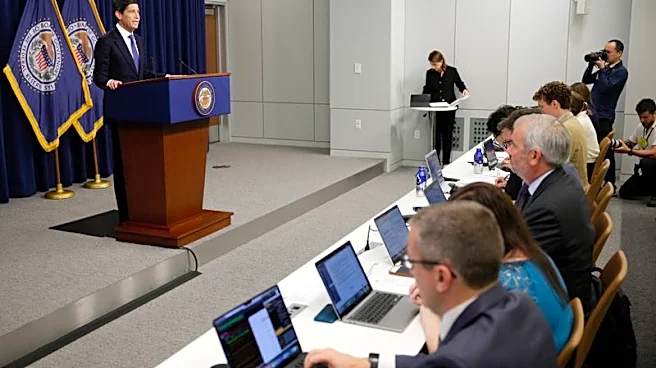
The BOJ decision wraps up the series of major central bank meetings in which policymakers have ratcheted up hawkish rhetoric.
The Federal Reserve raised rates for the first time in three years on Wednesday and switched to a more aggressive stance on inflation, which knocked the yen, putting it on course for its worst weekly performance against the dollar in two years, down 2.6%.
The Bank of England on Thursday left UK rates unchanged but said it may have to hike if the Iran war drags on. The European Central Bank last week also flagged the need for further tightening as it raised rates. And Australia's top central banker on Friday said some of the upside risks to inflation flagged by policymakers appeared to be materialising.
The euro fell 0.1% at $1.1465.
The dollar index, which measures the greenback against a basket of currencies including the yen and the euro, rose 0.1%.
OIL PRICES RETREAT
Brent crude futures fell 0.1% to $104.67 following a Reuters report that China has asked Tehran to help rein in the Houthis after their military blitz over the past week. That, together with hopes Gulf exporters may find alternative routes to ship oil, put crude futures on course for a weekly decline.
Bond yields edged up after another brutal selloff this week that took the 10-year U.S. Treasury yield beyond 5% to its highest since 2007. It was last up 5.32 basis points at 4.947%.
Yields across the euro zone and in Britain have also hit multi-year highs in the last week, but by Friday were only a touch higher.
Spot gold rose 0.3% to $4,352.77 an ounce.
(Reporting by Chibuike Oguh in New York)