





By Laura Matthews and Saqib Iqbal Ahmed
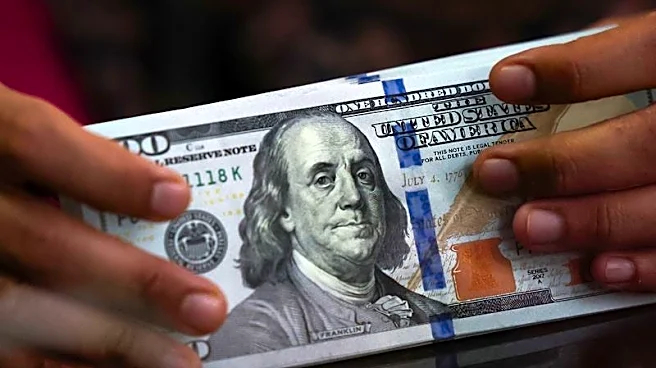
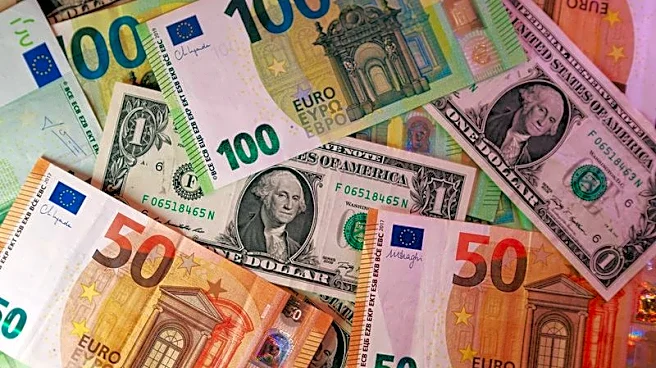
NEW YORK, Oct 8 (Reuters) - The US dollar has surged to an 18-month high this fall, with the latest gains driven by uncertainty across the Atlantic that is emboldening some investors to bet on further dollar appreciation.
Analysts said the dollar continues to draw support from high - and likely rising - US interest rates, resilient economic growth and persistent inflation risks. Yet Europe's challenges, centering on large deficits in France and the prospect of
broader stress rippling to Italy and across the bloc, are emerging as a likely driver of dollar performance in coming months.
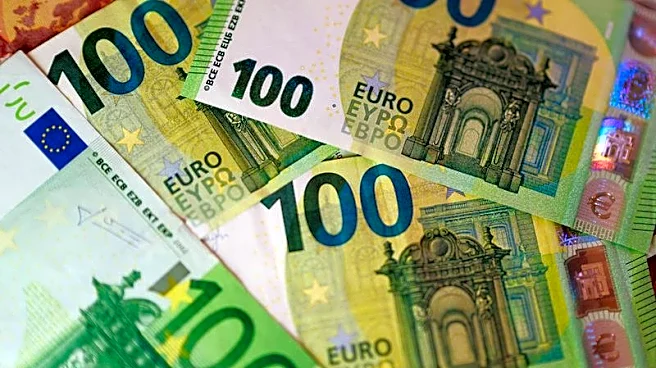
The greenback has appreciated about 5% against the euro this year, helping to lift the dollar index, which measures its strength against six major currencies, including the euro, its largest component.
"The euro remains under pressure, limiting one of the dollar’s main alternatives," said Uto Shinohara, senior investment strategist at Mesirow Currency Management.
The spread between French and German 10-year bond yields posted its biggest weekly jump in decades last week, while the Italian-German yield gap saw its steepest weekly increase since the COVID-19 pandemic. The euro was last down 0.67% against the dollar at 1.1183.
"(There's) a lot of focus on those countries where there's political dysfunction preventing the return of fiscal trajectories to anything that could be considered sustainable," said Karl Schamotta, chief market strategist at Corpay in Toronto.
One concern is that the euro is no longer drawing much support from hawkish signals from the European Central Bank.
The ECB raised interest rates by 25 basis points in September, the second time this year that the central bank moved to quell an energy-driven rise in inflation, but the euro fell after the decision as markets worried about the economic impact of future hikes.
Higher European yields have typically supported the euro, but its muted response suggests investors are increasingly focused on growth and fiscal risks. Rising energy prices could add further pressure.
"Structurally, Europe is a major energy importer and more reliant on manufacturing than the US. The impact is clear: high energy prices will hold the region back," said Benjamin Ford, researcher at macro research and strategy firm Macro Hive.
Ford expects the euro to fall to $1.10 within the next month, nearly 2% below its current level.
"The US appears to have a stronger medium-term thesis whereas Europe is prone to being on the receiving end of shocks," Ford said.
POLICY ERROR
Investors are also weighing whether the ECB can continue fighting inflation without inflicting greater damage on an economy already showing signs of strain. Euro zone inflation surged more than expected in September and is likely to increase further in the coming months on soaring energy costs, keeping pressure on the ECB to raise rates.
"The asymmetry around where the euro can go is very much skewed to the downside," said Dan Tobon, head of G10 FX strategy at Citi in New York. "And one place that that could come from most easily is from a policy error by the ECB over-tightening into a market that can't withstand it anymore."
One-month euro risk reversals, which measure whether options traders are paying more to hedge against euro losses than gains, were on Friday at their most bearish since March, while the three-month measure hit its most negative level since June 2024.
Fed policymakers have signaled that inflation risks remain elevated, helping to keep Treasury yields at multiyear highs.
"Yields continue to climb, with US rates at an absolute spread advantage to most developed markets," Shinohara said.
Fed funds futures are showing an about 84% chance for at least one more rate hike of 25 basis points by December.
While few strategists are forecasting a dramatic surge in the dollar from current levels, they say the combination of resilient US growth, elevated yields and Europe-specific risks continues to tilt the balance in the dollar's favor.
"As of right now, this skew is very much looking ugly for Europe," said Citi's Tobon.
(Reporting by Laura Matthews and Saqib Iqbal Ahmed in New York, editing by Colin Barr and Deepa Babington)