
By Anmol Choubey
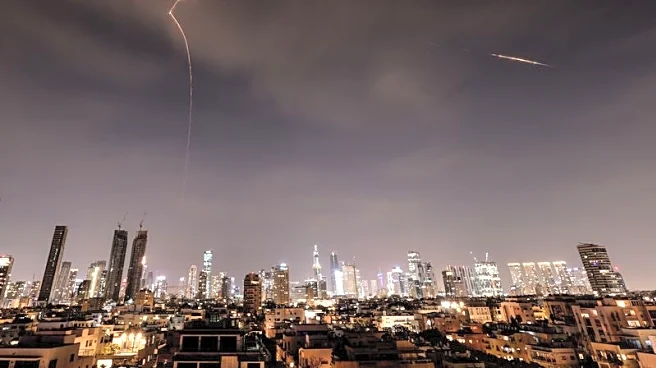
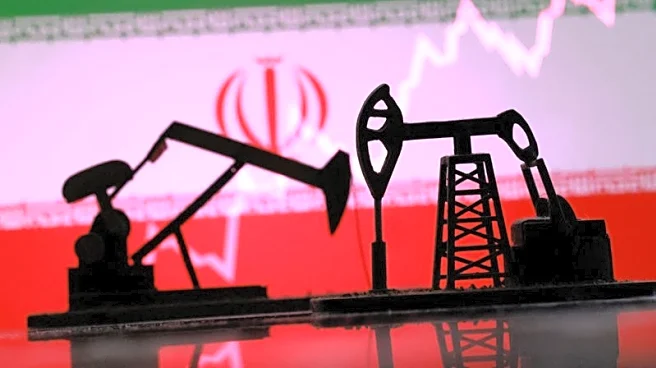
March 24 (Reuters) - Oil prices rose in early trade on Tuesday on supply fears, as Iran denied it had held talks with the United States to end the war in the Gulf, contradicting President Donald Trump, who said a deal could be reached soon.
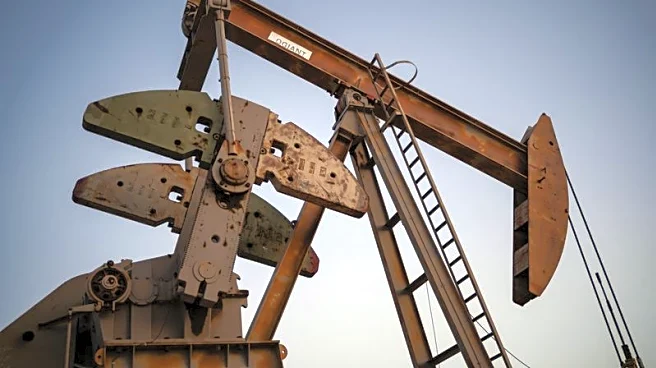
Brent futures rose $1.06, or 1.1%, to $101 a barrel at 0001 GMT, while U.S. West Texas Intermediate (WTI) climbed $1.58, or 1.8%, to $89.71.
Crude futures dropped more than 10% on Monday, after Trump said he had ordered a five‑day delay to attacks
he had threatened on Iran's power plants, adding the U.S. had held productive talks with unnamed Iranian officials that had produced "major points of agreement".
"By shelving the plan to strike Iranian power plants for five days, the U.S. effectively sucked much of the 'war premium' from the oil price," said Tim Waterer, chief market analyst at KCM Trade.
"Today's moderate bounce is just the market finding its footing in the mud. Traders are aware that while the missiles are on hold, the Strait of Hormuz is still far from a clear waterway."
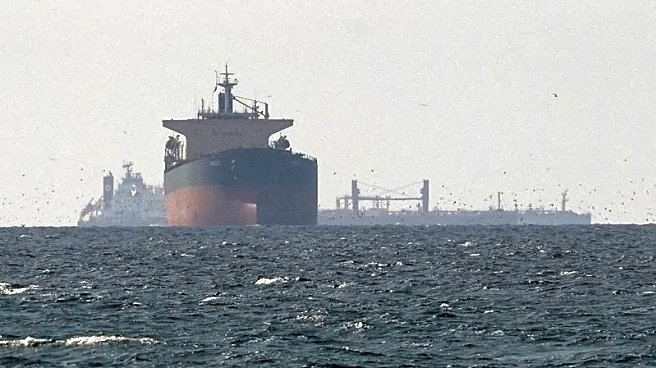
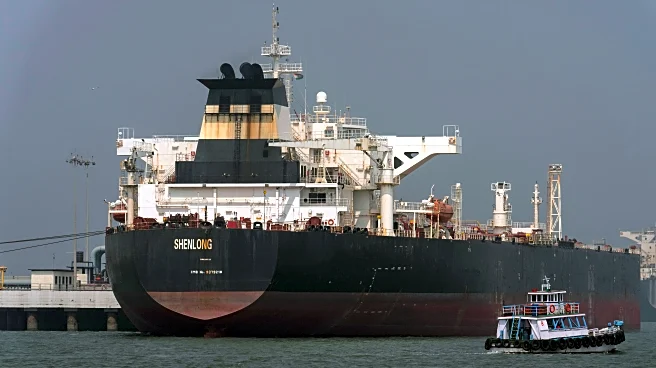
The war has all but halted shipments of about one-fifth of the world's oil and liquefied natural gas through the Strait of Hormuz. However, two tankers bound for India sailed through the strait on Monday.
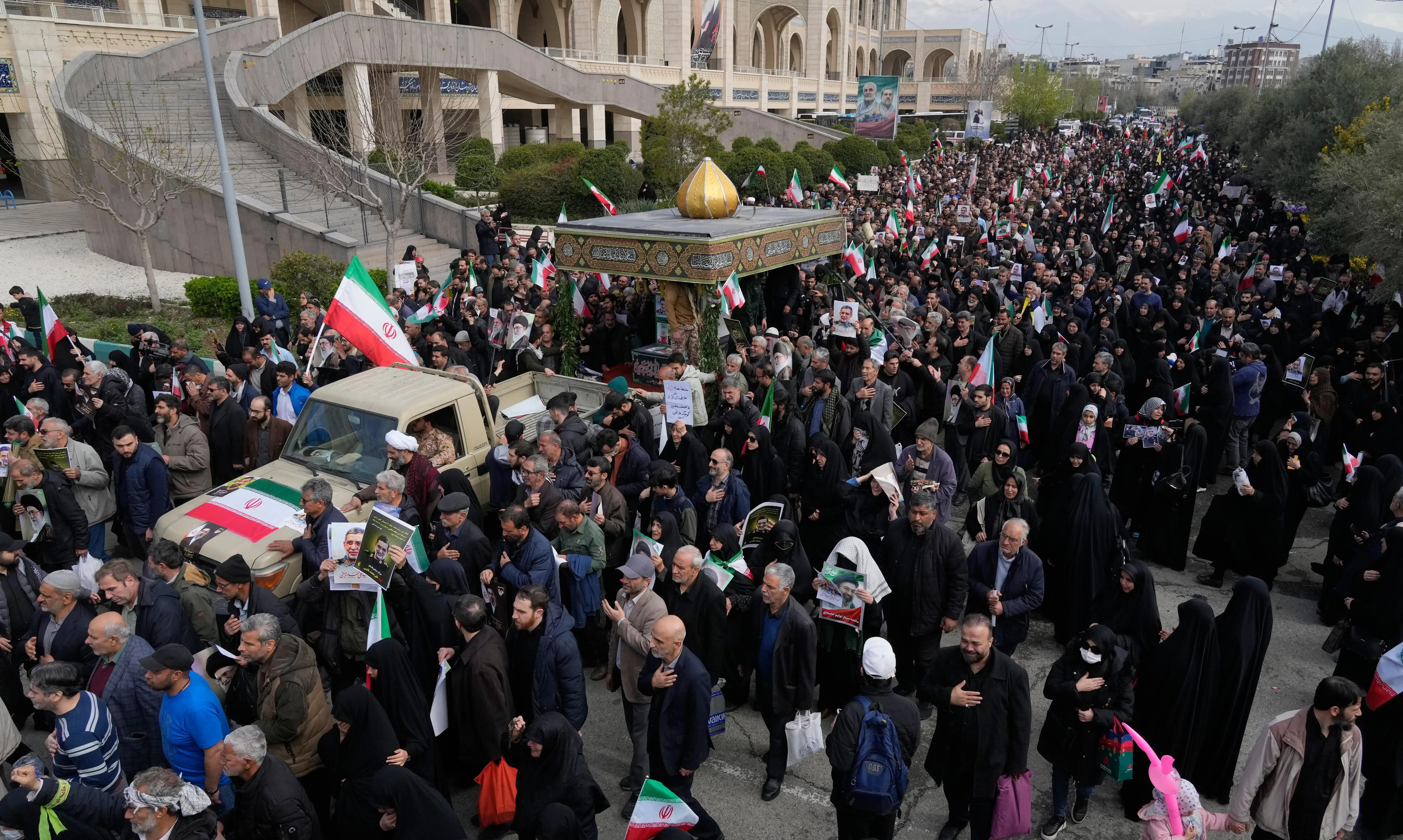
Tehran rejected the claims of contact with Washington, dismissing them as an attempt to manipulate financial markets, while Iran's Revolutionary Guards said they had launched new attacks on U.S. targets and denounced Trump's comments as "worn‑out psychological operations."
"Even with a possible decrease in tensions after (Monday's) announcement from President Trump, we expect a price floor of $85–$90 and a natural drift back to the $110 range until the Strait of Hormuz is restored," Macquarie said in a note.
It added that if the strait remains effectively shut until the end of April, Brent could still reach $150 per barrel.
Fighting has damaged energy infrastructure across the region. In the latest attacks, a gas company office and a pressure‑reduction station were hit in Iran's central city of Isfahan, while a projectile also struck a gas pipeline feeding a power station in Khorramshahr, the Iranian semi‑official Fars news agency reported.
The United States has temporarily waived sanctions on Russian and Iranian oil already at sea to ease shortages. Industry sources said traders have offered Iranian crude to Indian refiners at a premium to ICE Brent following Washington's move.
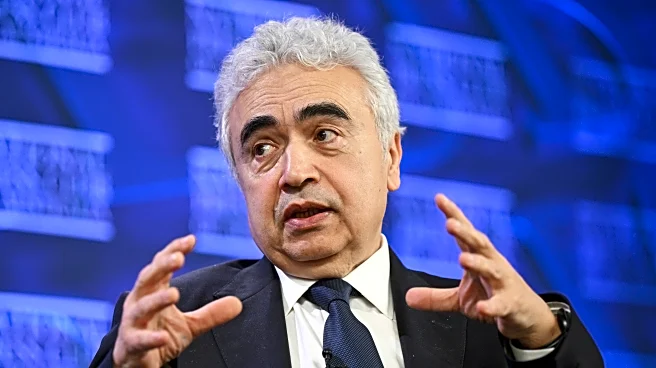
The International Energy Agency Executive Director Fatih Birol said on Monday it is consulting Asian and European governments on possible further releases of strategic reserves "if necessary".
Oil executives and energy ministers at a conference in Houston warned of the longer‑term impact of the U.S.–Israel war with Iran on the global economy, though U.S. Energy Secretary Chris Wright downplayed the crisis.
(Reporting by Anmol Choubey in Bengaluru; Editing by Sonali Paul)