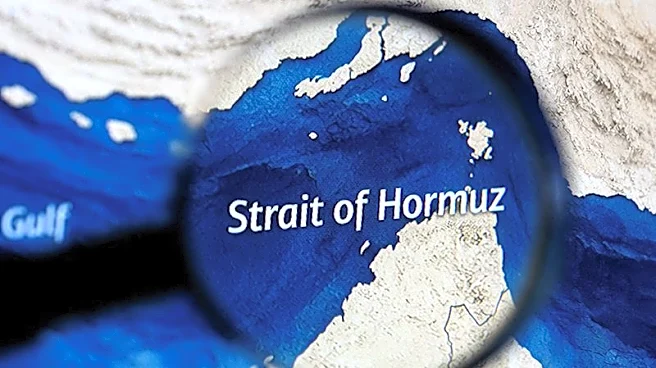







LONDON, April 7 (Reuters) - The euro zone's private sector expansion weakened sharply in March as the Middle East war drove up energy costs and disrupted supply chains, with overall demand - a key gauge for economic health - falling for the first time in eight months, a survey showed on Tuesday.
The S&P Global euro zone Composite Purchasing Managers' Index fell to 50.7 in March from 51.9 in February, but was slightly higher than a preliminary estimate of 50.5. PMI readings above 50.0 indicate growth
in activity.
"March's PMI indicates that the euro zone economy has already been hit hard by the war in the Middle East," said Chris Williamson, chief business economist at S&P Global Market Intelligence.
New business declined in March after improving steadily since July, dragged down by weaker demand for services. Overall export orders also fell again, with international services demand recording its steepest drop in six months.
The encouraging signs of growth seen earlier in the year have been eradicated thanks to surging energy prices, choked supply chains, financial market volatility and a renewed downturn in demand, Williamson added.
Services activity barely rose, with the business activity index sliding to 50.2 from 51.9 in February - its weakest reading in 10 months. Manufacturing output growth remained solid.
Spain led the growth among the major economies, while France and Italy contracted. Germany's expansion slowed to its weakest pace so far this year.
Employment declined while business confidence dropped, raising concerns about future hiring and investment.
Input cost inflation surged to its highest in slightly more than three years, with manufacturing seeing a record one-month jump. Firms raised prices charged to customers at the fastest pace since February 2024, though the increase was more modest than the spike in their own costs.
Headline inflation in the bloc jumped above the European Central Bank’s 2% target last month, hitting 2.5% from 1.9% as soaring oil and gas prices intensified the dilemma between safeguarding growth and curbing inflation.
The survey's signal for first-quarter gross domestic product growth was 0.2%, with a risk of contraction this quarter unless the Middle East conflict is resolved swiftly.
(Reporting by Jonathan Cable; Editing by Hugh Lawson)