




By Marc Jones and Stella Qiu
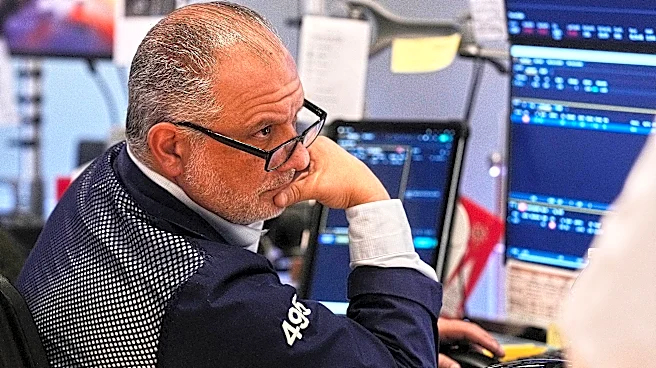
LONDON/SYDNEY, Oct 29 (Reuters) - Europe's government bond and stock markets rallied on Thursday as traders waited on the European Central Bank's next move and for results from Amazon and Intel after Alphabet's shares became the latest to be hammered by AI spending worries.
Europe's STOXX 600 was up 0.5% despite a 1% slide in Nasdaq futures and some erratic trading in Asia after Alphabet's hefty cash burn looked set to wipe nearly $400 billion off its shares later.
Both
the euro and euro zone government bond market yields were edging lower, meanwhile, as oil and natural gas prices dipped ahead of what is widely expected to be a pause in the ECB's rate hike cycle.
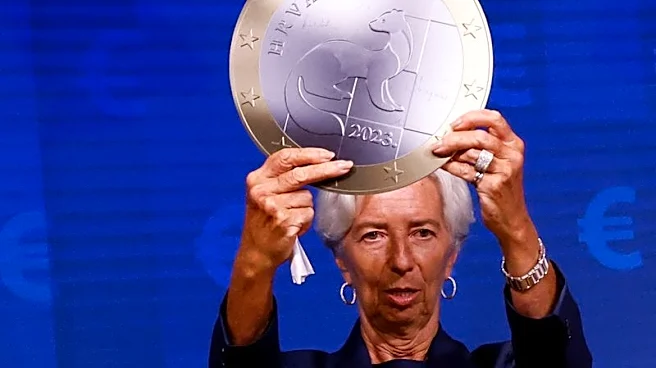
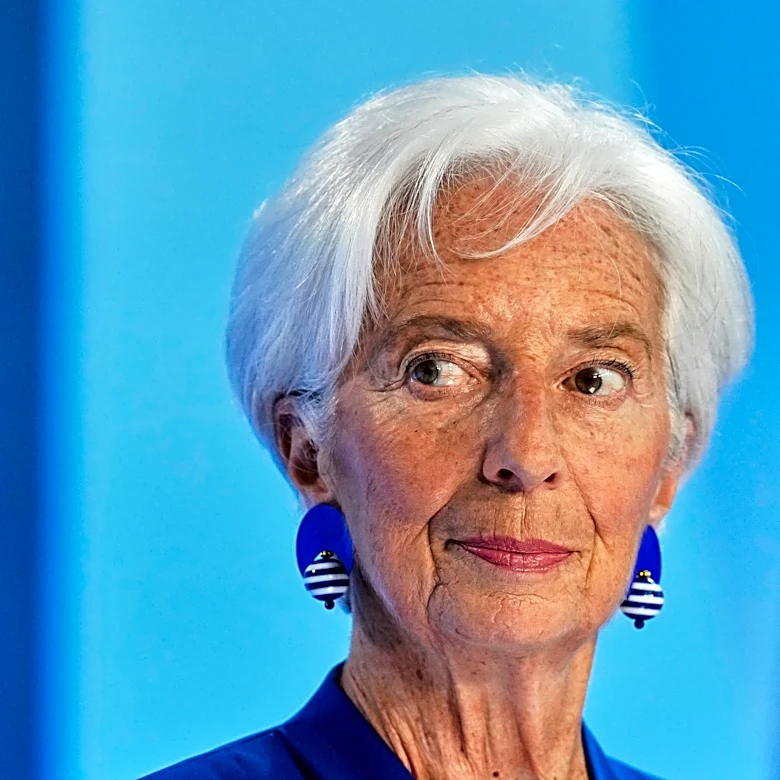
There was also breaking news that ECB President Christine Lagarde had confirmed, after months of speculation, that she was to step down early and leave her post in February.
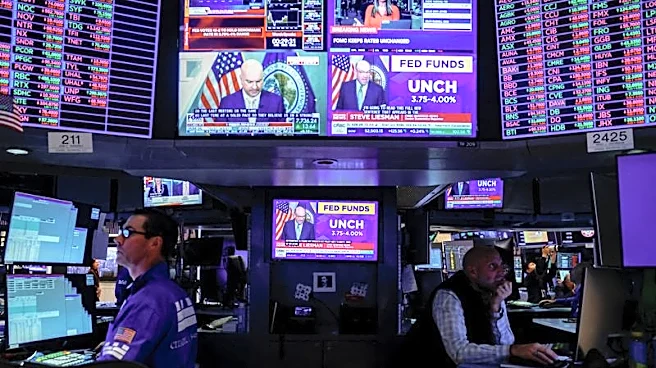
Wednesday had also seen a rally in US Treasuries after the Federal Reserve Chair Kevin Warsh had struck a more confident tone on the inflation outlook after it had also kept rates steady.
RBC's European Macro Strategist George Moran said his bank expects the ECB to hold rates at 2.50%, with a further final hike to 2.75% in December, although money markets are pricing as many as three additional increases.
"Widening sovereign spreads — particularly for France — give the ECB cover to avoid further aggressive tightening," Moran said, despite the recent surge in energy prices.
The main gauge of French concerns - the yield gap between Paris' government bonds and triple A-rated German Bunds - was at 153.50 basis points on Thursday having hit a near 15-year high of almost 178 basis points last week.
Lagarde's February departure from the ECB meanwhile means French President Emmanuel Macron and other European Union leaders will be able to fill one of the bloc's most powerful economic positions before France's presidential elections in the spring.
It is a vote that opinion polls suggest could be won by the country's far right.
BIG SPENDERS, BIG FALLS
Overnight, MSCI's broadest index of Asia-Pacific shares outside Japan dropped nearly 0.5%, while Japan's Nikkei ended up more than 1% after another day of swings. [.T]
However, the region's bigger test came from earnings. Samsung reported another set of record results thanks to booming demand for its memory chips, but it was silent on plans to boost returns, which sent its shares down 4%.
That weighed on South Korea's KOSPI index, which fell 1.2% after a nearly 7% surge a day earlier. Another AI darling, SK Hynix, continued to surge though as its plans to return about $75 billion to shareholders this year took its two-day gain past 15%.
Nasdaq futures were pointing to a fall for US markets later. [.N]
Alphabet was down 10.5% in premarket trading after the company reported disappointing results in the firm's core search business and a massive acceleration in cash burn as it poured resources into building out AI.
That focus on AI spending will continue on Thursday too with both Intel and Amazon due to report their earnings after US markets close.
"Investors are starting to scrutinize monetization timelines versus the capital expenditure burn rates. Some investors are no longer giving all hyperscalers a 'free pass' to spend without limit," said Jeremy Saltzberg, VP and senior investment officer at Check Capital Management.
OIL DIPS
Macro data will continue to flow too, with both US personal consumption expenditures figures - the Fed's preferred gauge of inflation - and US Q3 GDP data due to be released.
Forecasts are centred on a 0.3% monthly rise in the core measure of PCE inflation, picking up from a 0.2% gain the previous month.
Markets are still 80% priced for a rate rise in December despite Wednesday's dovish comments from Warsh, which led to a steepening of the Treasury yield curve. The 2-year Treasury yield fell about 5 basis points overnight and was last at 4.68%.
The dollar was fractionally higher against its major peers at 102.23 after a 0.2% dip on Wednesday following the Fed decision.
Ahead of the ECB, the euro was hovering around $1.1137, having fallen almost 2% this month against the dollar and 2.5% against sterling. [GVD/EUR]
Data shows investors are betting heavily against the euro and have built up their biggest short position in a decade that is currently worth almost $19 billion.
In the commodity markets, Brent futures fell 1.2% to just under $114 a barrel after the Wall Street Journal reported US Vice President JD Vance had sent a letter to Iranian Security Council chief Mohsen Rezaei in an effort to revive peace negotiations.
Qatari mediators have also presented Iran with a new draft deal to end the war, an official briefed on the negotiations told Reuters, although a senior Iranian official dismissed it as unacceptable ideas that did not amount to an offer.
(Reporting by Stella Qiu in Sydney; Editing by Jamie Freed and Lincoln Feast.)