






By Michelle Price
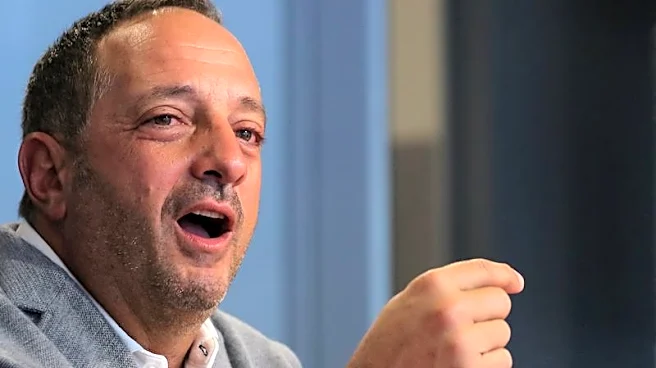
WASHINGTON, May 11 (Reuters) - High-profile short seller Andrew Left's criminal trial will kick off in Los Angeles this week, spotlighting a contentious cohort of investors who have for years goaded public companies in the U.S. and overseas with allegations of fraud and mismanagement.
U.S. authorities charged Left in July 2024, alleging he had manipulated the stock market and defrauded investors with misleading claims about his positions in multiple companies' shares, including Nvidia
and Tesla, making at least $16 million in the process.
Jury selection is expected to begin on Monday and the trial could last weeks. The Justice Department expects to provide a number of witnesses, including retail investors, court filings show. It is unclear if Left, who denies the allegations, will testify.
Known for his sensational and colorful style, Left has, for more than a decade, been among the most prominent of a group of "short activists" who say they bet against public companies on the basis they are overvalued or engaging in outright fraud, drawing the ire of companies who have fought to curb their bets.
Left, who runs Citron Research, exploited his influence through social media and cable news appearances to tout what he said were his trades, only to quickly and secretly close out his positions to profit from short-lived price movements, the Justice Department alleges.
In return for compensation, Left also alerted hedge funds before publicizing his positions, allowing them to profit or mitigate losses, and concealed the coordination using fake invoices, according to prosecutors.
Left, who did not respond to an email seeking comment, pleaded not guilty and could face 25 years in prison if convicted of securities fraud. In a court filing last week, his attorneys said he "acted in good faith in making honest public commentary" and that there was no law that required him to hold his positions for a length of time.
AGGRESSIVE LEGAL THEORY?
Some legal experts have argued the case is aggressive. Long criticized, short sellers have often defended themselves by leaning on First Amendment rights. Investors are also free to change their minds.
"I think that theory standing alone would be a big swing by the DOJ," said Drew Bradylyons, founding partner at law firm Armstrong & Bradylyons and a former federal prosecutor.
"For that reason, the government really went out of its way to allege other facts in the indictment that bolster their case. It does a good job of telling a longer story - that he knew he was making false statements to profit."
Short sellers seek to profit off bets a stock will fall, although Left also took long positions.
Among Left’s most high-profile short targets were the now-defunct China Evergrande, GameStop, Valeant Pharmaceuticals and Shopify. Proponents of short activists say they play a crucial role in the market in exposing wrongdoing, but critics have accused them of “short and distort” tactics that have unfairly damaged public companies.
Left's trial is the culmination of a years-long probe by criminal prosecutors in Washington and Los Angeles, who began probing short sellers in 2019, Bloomberg, Reuters and others have reported.
(Reporting by Michelle PriceEditing by Rod Nickel)