





By Matt Spetalnick
WASHINGTON, Oct 28 (Reuters) - With Israel's election yielding no clear winner, President Donald Trump could face prolonged uncertainty over who will lead Washington's closest Middle East ally as he confronts challenges from Iran and Gaza across the region.
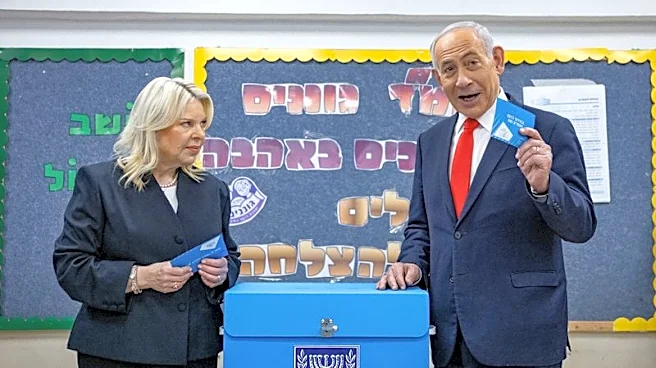
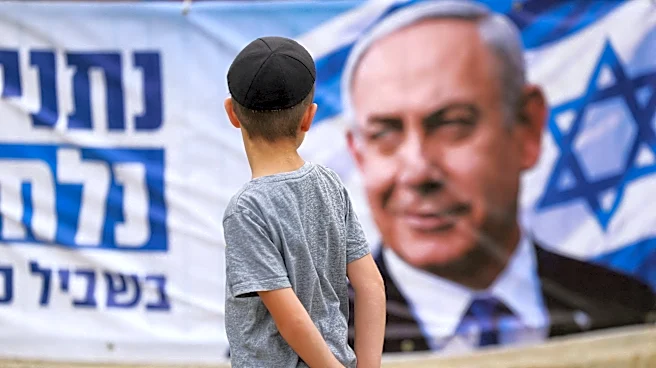
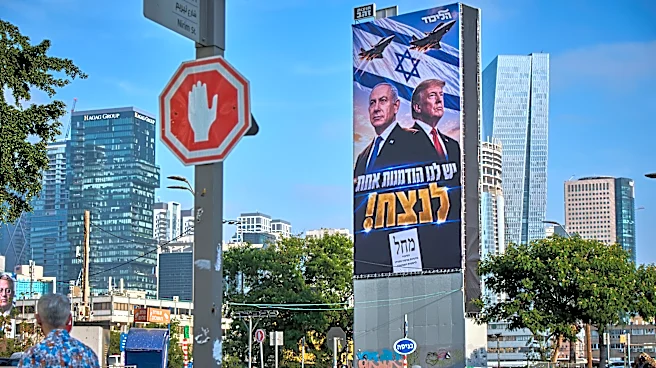
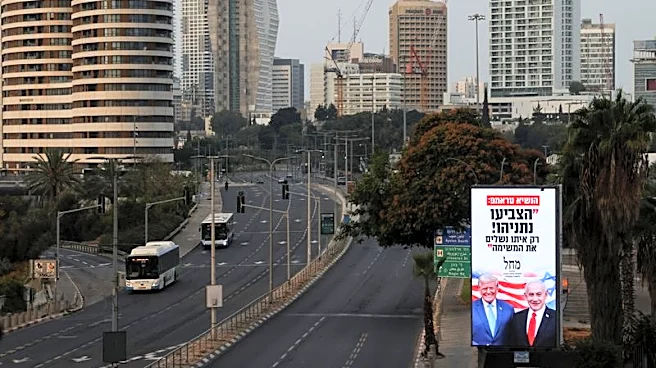
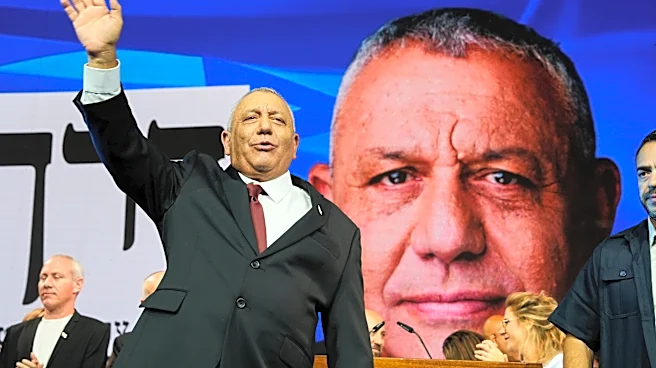
Prime Minister Benjamin Netanyahu’s right-wing bloc secured the most seats in Israel's parliament but still lost its parliamentary majority on Tuesday despite Trump having endorsed him against a rival alliance of parties led by
hawkish former military chief Gadi Eisenkot.
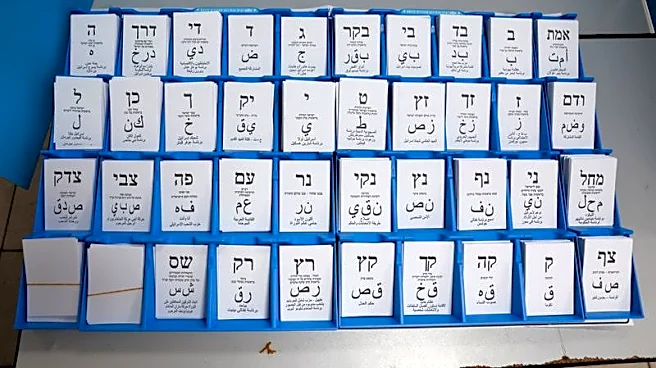
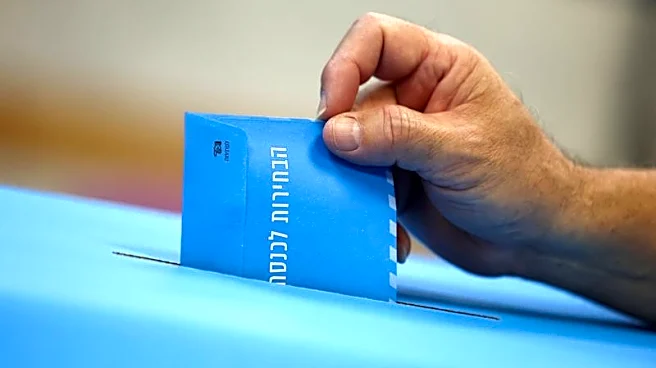
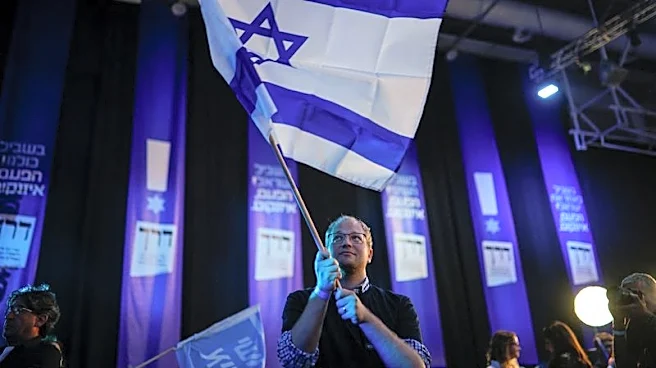
While Netanyahu seemed in a stronger position, neither side was projected to have an outright path to form a new government after Israel’s first election since the Hamas-led attacks of October 7, 2023, and the ensuing wars in Gaza, Lebanon and Iran.
The stage appeared to be set for a period of painstaking coalition bargaining – or possibly another election – while Netanyahu remains in power in a caretaker capacity.
The outcome will have implications for US-Israeli relations, which have been dominated by the joint fight against Iran, stalled Gaza peace efforts and signs of eroding US public support for Israel.
The uncertainty comes at a sensitive moment for Trump, when he and Netanyahu have threatened to join in another round of attacks against Iran.
“Israeli politics can be messy,” said Aaron David Miller, a former Middle East adviser in Democratic and Republican administrations. From the US perspective, he said, "it would be good to get some clarity, but that's easier said than done."
WHICH OUTCOME WOULD TRUMP PREFER?
Netanyahu – a consummate political survivor who has had a close but sometimes turbulent relationship with Trump dating back decades – may have survived again. He is the longest-serving Israeli prime minister and the only one the US president has ever worked with.
Eisenkot, who projected an image as a political outsider and security-minded former general during the campaign, has seen his governing chances dimmed but not extinguished. He is not known to have ever met Trump.
Some analysts say creation of a broad unity government keeping Netanyahu in power might serve Trump's interest in a politically stable Israeli partner. But neither side has shown a willingness to take that path.
Asked whether he was going to get involved in an effort to form a Netanyahu-led unity government, Trump told Axios on Wednesday he hadn't thought about it, adding: "I will take a look."
WHAT DOES THE ELECTION MEAN FOR THE WAR WITH IRAN?
Topping the list is how Trump might engage with Israel in the war against Iran, which has rocked the Middle East. The eight-month-old conflict has disrupted global energy supplies, pushed up US gasoline prices and driven down his approval ratings, imperiling his Republicans' control of Congress in the November 3 midterm elections.
Trump, in his October 18 endorsement, insisted he wanted Netanyahu to remain in power to help him soon "finish the job” against Iran. The president said overnight that Netanyahu, who outperformed pre-election polls, had done "very well" and that his backing had boosted the Israeli leader.
Trump has repeatedly signaled that the US and Israel could restart attacks on Iran after the midterms, with some critics, including in Israel, suggesting Netanyahu might see it as a way to bolster his political standing as caretaker prime minister.
Jonathan Panikoff, a former deputy US national intelligence officer on the Middle East, said any future Israeli leadership would likely be on the same page as Trump if he decides to escalate from the current stalemate with Israel’s regional arch-foe.
“It’s hard to imagine any real daylight between them on that point,” said Panikoff, now at the Atlantic Council think tank in Washington.
Where Netanyahu and many Israelis have sometimes differed with Trump is when he has offered concessions in now-stalled negotiations with the Islamic Republic.
WHAT ARE THE IMPLICATIONS FOR GAZA PEACE EFFORTS?
No matter how Israel’s next government shapes up, there is little reason to believe there will be any sweeping shift in tough policies toward the Palestinians.
This doesn’t bode well for breaking the diplomatic deadlock between Israel and Hamas and fully implementing Trump’s Gaza peace plan following the war there. Israel, in response to the militants' deadly cross-border attack, leveled much of the enclave and killed tens of thousands of Palestinians.
Administration officials have privately expressed frustration over what they see as intransigence by Netanyahu, who has insisted that Hamas must first disarm.
Eisenkot, who lost a son and two nephews in the Gaza war, stressed his military credentials while positioning himself as a centrist domestically during the election campaign. He has vowed to break with Netanyahu’s far-right coalition allies, but not with the hawkish approach to security that has become more entrenched since the 2023 Hamas attack.
Like Netanyahu, Eisenkot opposes Palestinian statehood and says Hamas' military wing must be destroyed.
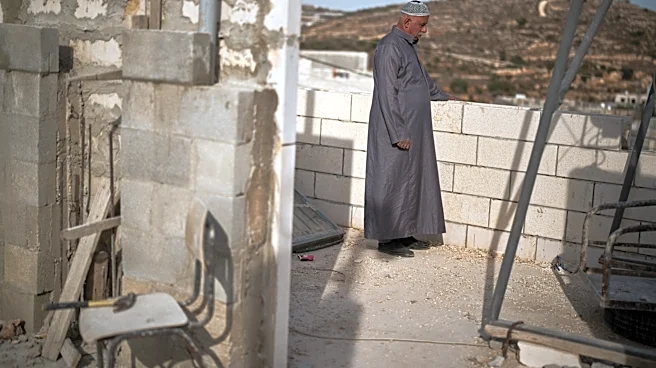
But he has pledged to prevent violence by Israeli settlers against Palestinians in the occupied West Bank, which Netanyahu’s government has been accused of tolerating. Settler attacks have drawn criticism in recent weeks from US officials worried the territory could become another Middle East flashpoint.
WHAT ABOUT ISRAEL'S GROWING ISOLATION?
Even as Israel’s political climate is expected to remain unsettled for some time, Trump may have to contend with what opinion polls project could be the Democrats' takeover of one or both chambers of Congress in the midterms.
That could mean increased pressure from Democrats, whose support for Israel plunged over its conduct in the Gaza war, to curb billions of dollars in US aid and weapons supplies.
Some members of Trump’s MAGA base have also become increasingly critical of Israel, accusing it of having misled Trump – who campaigned for a second term on a promise to avoid foreign military interventions – into believing Iran could easily be defeated.
Trump, in an interview with Axios in June, cautioned Netanyahu about Israel's deepening international isolation, and most analysts say the trend may be irreversible, even with a new government.
(Reporting By Matt Spetalnick; Editing by Don Durfee and Howard Goller)