




By Helen Coster
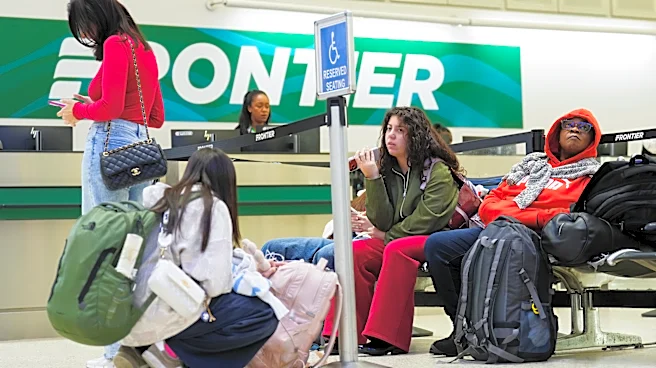
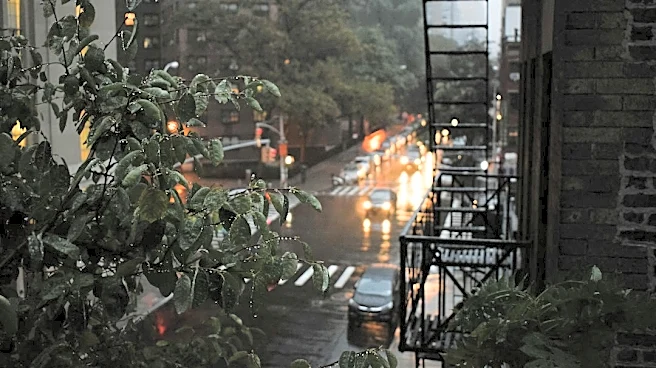
NEW YORK, Nov 24 (Reuters) - Storms bringing heavy rain and winds up and down the Eastern Seaboard are threatening to delay flights during one of the busiest travel weeks of the year and could ground some of the biggest balloons in the Macy's Thanksgiving Day Parade, forecasters said on Tuesday.
Rainfall rates could reach 1 inch (2.5 cm) per hour at times, with wind gusts exceeding 50 mph (80 kph), according to the National Weather Service.
Onshore winds, king tides — the highest high-tide
cycles of the year — and this week's full moon could combine to produce moderate to major coastal flooding from Georgia and the Carolinas to Long Island. At least minor coastal flooding is also forecast across coastal New England.
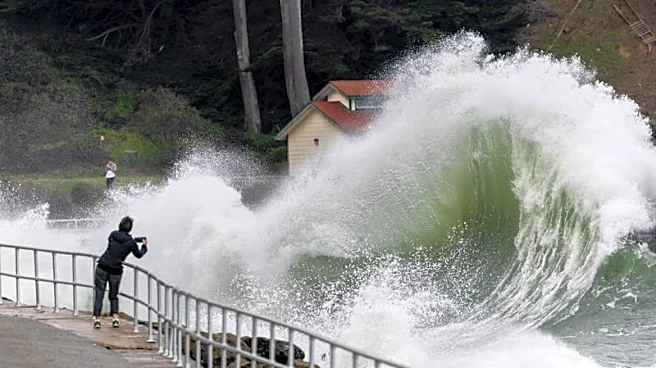
The National Weather Service issued a coastal flood warning for the San Francisco Bay Area through late Thursday afternoon, warning that flooding could reach 2.7 feet (0.8 meter) in some low-lying areas as near-record high tides swell the region's waterways.
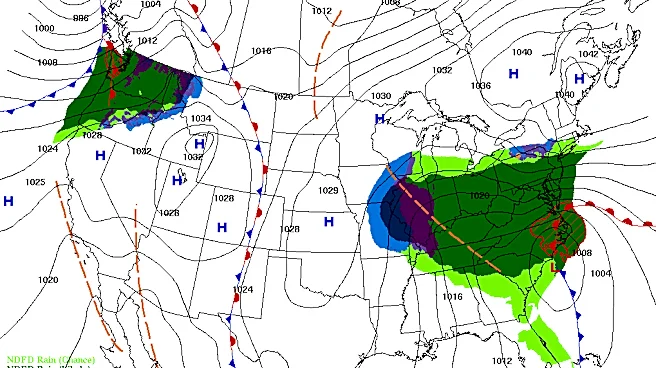
Rain is expected to spread across much of the Southeast on Wednesday, potentially disrupting Thanksgiving travel for millions of Americans, before advancing into the Mid-Atlantic and Ohio Valley by Wednesday night. Washington state and coastal Oregon are also forecast to see rain, with snow in the mountains.
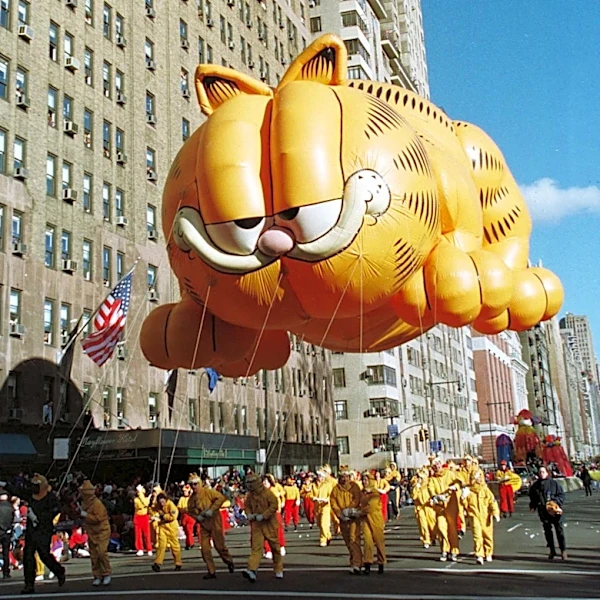
In New York City, home to the 100th Macy's Thanksgiving Day Parade, conditions are expected to remain dry for the 8:30 a.m. ET (1330 GMT) start. Rain is forecast to develop by late morning or early afternoon and intensify through the evening. City rules require parade balloons to fly at lower elevations or remain grounded if sustained winds exceed 23 mph or gusts top 34 mph.
The Federal Aviation Administration expects the busiest Thanksgiving travel period in 16 years, with more than 417,000 flights scheduled during the nine-day window. Tuesday is forecast to be the busiest day, with 52,000 flights. The agency said in a press release that rain could affect flights across the Southeast, including Atlanta, on Wednesday before moving into the Mid-Atlantic later in the day.
(Reporting by Helen Coster; editing by Donna Bryson and Aurora Ellis)